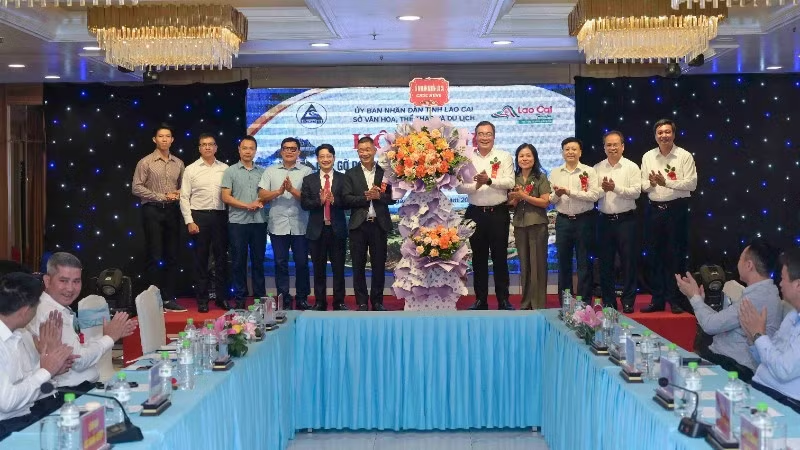
Lao Cai Province Aims to Become a Year-Round Tourist Hub
Vietnam's northern Lao Cai Province is strategically developing its tourism sector to become a year-round destination. Comprehensive measures are being implemented to enhance product quality, improve the investment environment, strengthen business linkages, and support enterprise growth.
Lao Cai Province in northern Vietnam is implementing a comprehensive set of solutions aimed at developing tourism into a spearhead economic sector and transforming the province into a year-round tourist destination. The province is focusing on enhancing the quality of tourism products, improving the investment environment, strengthening inter-enterprise linkages, and providing increased support for businesses. Lao Cai has established two industrial parks with a total investment capital of nearly 5.5 trillion VND. The province has also adopted 31 resolutions to foster economic growth. In terms of social and cultural development, 26 new party members were admitted on the occasion of the first anniversary of the establishment of the Cam Duong ward Party Committee in Lao Cai. The Den Tuong historical site in Hop Thanh commune has been recognized as a provincial historical and cultural heritage. Furthermore, a "Ho Chi Minh Cultural Space" is being built in educational institutions. These developments highlight Lao Cai's strategic focus on tourism as a key driver of its economy. The province's efforts to improve infrastructure, enhance product offerings, and create a favorable investment climate are part of a broader national strategy to diversify Vietnam's economy and attract foreign investment. By leveraging its unique geographical position and cultural heritage, Lao Cai aims to become a prominent tourist destination in Vietnam.
多角的分析
ラオカイ省の観光業強化策は、ベトナム経済のサービス部門へのシフトというマクロ経済動向と一致する。工業団地への大規模投資は、製造業の発展も並行して進める意図を示唆しており、地域経済の二本柱化を目指していると考えられる。これにより、雇用創ち、地域内総生産(GRDP)の向上、そして国家経済への貢献が期待される。特に、中国との国境という立地は、越境観光や貿易のハブとしての潜在力を高める。
ラオカイ省への投資は、インフラ整備や観光資源開発に焦点を当てることで、潜在的なリターンが見込まれる。しかし、ベトナムの一党体制下における政策決定の透明性や、地方政府の実行能力には留意が必要である。投資環境の改善は、外資誘致の鍵となるが、地域特有の課題(例:インフラの未整備、人材育成)への対応が、投資リスクを左右する要因となるだろう。
「ホーチミン文化空間」の構築は、ベトナム社会主義共和国のイデオロギー的基盤を強化する試みの一環である。これは、経済成長と並行して、国民の意識統一を図るという党の戦略を示唆している。また、歴史文化遺産への認定は、地域文化の保護と観光資源化を両立させようとする動きであり、地域住民のアイデンティティ形成にも影響を与える可能性がある。しかし、経済開発と文化遺産保護のバランス、そして地域住民の生活への影響は、今後の注視点となる。
ラオカイ省の観光振興策は、地域住民の雇用機会創出や所得向上に繋がる可能性がある。特に、周辺地域からの移住者や、観光関連サービスに従事する若者にとっては、新たな生活の機会が生まれることが期待される。一方で、観光客の増加に伴う生活コストの上昇や、地域文化への影響も懸念される。デントゥオン遺跡のような文化遺産が観光資源として活用されることで、地域住民が誇りを持つ機会が増える一方で、その保護と観光利用のバランスが問われる。
背景・歴史的文脈
ベトナムは1986年のドイモイ(刷新)政策以降、計画経済から市場経済への移行を進め、経済成長を遂げてきた。特に近年のベトナムは、製造業を中心に高い経済成長率を維持し、東南アジアにおける重要な経済拠点としての地位を確立している。しかし、経済成長の持続性や、地域間の格差是正、サービス産業の育成が課題となっている。ラオカイ省の観光振興策は、こうした全国的な経済戦略の一環であり、特に中国との国境地帯という地理的条件を活かし、経済発展と地域活性化を図る試みである。また、ベトナム共産党による一党体制下では、経済発展と社会統制を両立させる政策が取られており、地方政府の活動も党の指導の下で行われている。
原文ソース
Nhan Dan