Vietnam to Foster Cultural Exports as 'Soft Power' with New Policy
Culture
2026年7月14日
5
Nhan Dan

Vietnam to Foster Cultural Exports as 'Soft Power' with New Policy

AI サマリー

Vietnam's Communist Party has announced "Resolution 80," a new policy to foster culture as national soft power. The initiative aims to leverage overseas Vietnamese communities and cultivate talent by blending tradition with modernity, positioning culture as a strategic resource for national development rather than mere foreign relations.

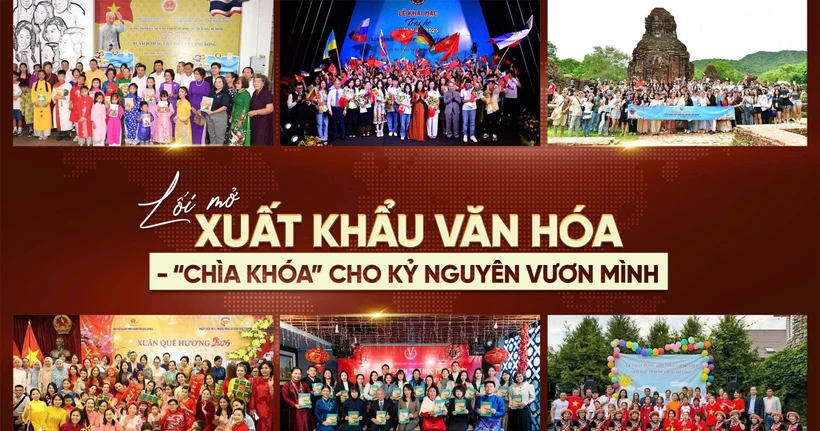
Vietnam's Communist Party has announced "Resolution 80," a new policy aimed at fostering culture as a national soft power. This resolution seeks to leverage the overseas Vietnamese community as an organic part of the nation's soft power, promoting cultural and artistic dissemination, people-to-people diplomacy, preservation of Vietnamese culture, and the teaching and maintenance of the Vietnamese language within these communities. Historically, the Party and State have implemented policies supporting the creative promotion of culture and arts, people-to-people diplomacy, and the preservation of Vietnamese culture and language among expatriates. These efforts have aimed to encourage young overseas Vietnamese to reconnect with their roots, foster civic consciousness and social responsibility, and nurture the spiritual identity of generations living away from their homeland. However, Resolution 80 has further specified the objectives, roadmap, and implementation methods for this issue more clearly than ever before. At a national conference on February 25, 2026, Politburo member and Head of the Central Propaganda and Training Commission, Trinh Van Quyet, stated, "Human development is the central, core, and highest objective of the Party's resolutions on culture. Resolution 80 inherits this ideology, elaborating and completing new content and emphasizing the dialectic of 'developing culture for the perfection of socialist human personality in the new era and building people to develop culture.'" Vu Ho, Vietnam's Ambassador to South Korea, views this resolution as a correctly oriented decision. He notes that human development is not merely a short-term requirement but a profound strategy that is both scientific and practical. Ambassador Ho believes Resolution 80 serves not only as a political document but also as a strong message and inspiration to the entire society, placing humans at the center of development. Ambassador Ho further elaborated that the development of Vietnamese people in the current era should aim for a harmonious blend of tradition and modernity. This involves inheriting virtues such as benevolence, solidarity, and a love for peace, while simultaneously cultivating new qualities to meet the demands of development and international integration. In the context of globalization, proactive cultural international integration is necessary, but it is crucial to maintain Vietnam's cultural identity and the purity and status of the Vietnamese language, ensuring that Vietnamese culture remains distinct and visible within the global cultural landscape. Ambassador Ho highlighted that Vietnam possesses a rich cultural heritage, shaped by thousands of years of history, the diverse identities of its 54 ethnic groups, its humanistic traditions, love for peace, and strong spirit of self-reliance. He believes these values are valuable material for historical films, heritage tourism, creative design, contemporary music, fashion, animation, video games, and digital media. The challenge, he stated, lies in finding ways to tell Vietnam's stories in contemporary language. While acknowledging the significant opportunities presented by Resolution 80, Ambassador Ho cautioned that these opportunities can only translate into true soft power if accompanied by institutional reform and quality of implementation. Source: Nhan Dan

多角的分析

経済的影響

ベトナム経済は製造業と輸出に大きく依存しており、ソフトパワーの強化は間接的に経済成長を後押しする可能性がある。文化輸出、特にコンテンツ産業(アニメ、ゲーム、映画など)の発展は、新たな雇用創起と外貨獲得源となりうる。決議80は、文化を単なる社会的な側面だけでなく、経済成長の新たな推進力と捉え直す動きであり、将来的な経済構造の多様化に寄与すると考えられる。ただし、具体的な経済的リターンを最大化するには、知的財産権保護の強化や、国際市場への効果的なマーケティング戦略が不可欠となる。

投資家心理

決議80は、文化コンテンツ産業への投資機会を示唆している。特に、ベトナムの豊かな歴史や神話、民族文化を題材としたデジタルコンテンツやエンターテイメント分野への投資が注目される可能性がある。海外在住ベトナム人コミュニティの活用は、ターゲット市場の特定やプロモーションの足がかりとなりうる。しかし、文化輸出の収益性が確立されるまでには時間を要する可能性があり、投資家は長期的な視点でのリスク評価が必要となる。また、制度改革の進捗も投資判断の重要な要素となるだろう。

社会的影響

決議80は、ベトナム国民のアイデンティティと価値観の形成に深く関わる。海外在住ベトナム人コミュニティとの繋がりを強化することは、国内の若年層が自国の文化に誇りを持ち、国際社会で活躍するための基盤となる。一方で、伝統文化の継承と現代化のバランス、そしてグローバル化の波の中でベトナム文化をいかに独自に保つかという課題に直面する。特に、ベトナムの神話や伝説を現代的なメディアで再解釈する試みは、若年層の文化への関心を高める可能性があるが、その過程で文化の商業化や表層化が進むリスクも考慮する必要がある。

市民の声

決議80は、ベトナム国民、特に海外に住むベトナム人やその子弟にとって、自国の文化や言語との繋がりを再確認する機会を提供する。国内では、文化を「ソフトパワー」として捉え、経済発展の新たな源泉とするという方針が示されたことで、文化産業への関心が高まる可能性がある。例えば、伝統的な神話や伝説がアニメやゲームとして制作されれば、若年層が親しみやすい形で文化に触れる機会が増えるだろう。しかし、文化の国際的な発信においては、文化の商業化や、本来の価値が失われることへの懸念も生じうる。

背景・歴史的文脈

ベトナム共産党は、建国以来、文化を社会主義建設の重要な一部と位置づけてきた。特に、1986年のドイモイ(刷新)政策以降、経済発展と並行して文化の発展も重視されるようになった。近年、ベトナムは経済成長とともに国際社会での存在感を増しており、ソフトパワーの重要性も認識されるようになった。決議80は、これまで分散的だった文化振興策を、国家戦略としての「ソフトパワー」育成という枠組みに統合し、より組織的かつ包括的なアプローチを目指すものと解釈できる。これは、近隣諸国や主要国との関係構築において、経済力だけでなく文化的な魅力も活用しようとする、ベトナムの外交戦略の変化とも連動している。

原文ソース

Nhan Dan

原文を読む