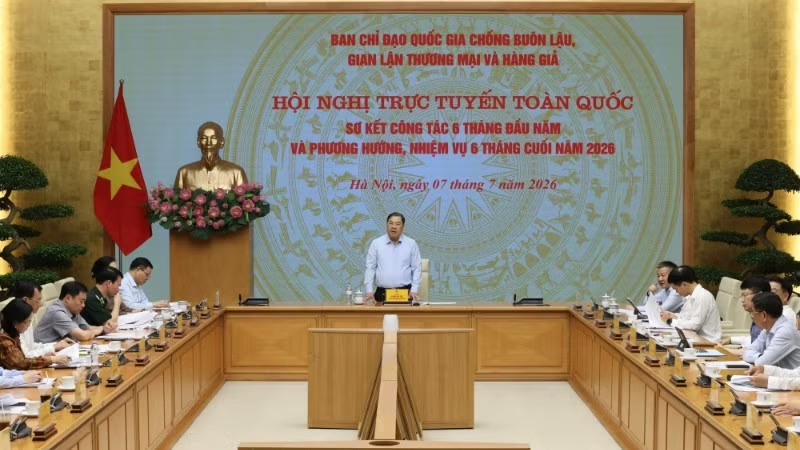
Vietnam Reviews Six Months of Anti-Smuggling Efforts, Sets Course for Second Half of Year
Vietnam's government reviewed its six-month efforts against smuggling, commercial fraud, and counterfeit goods, outlining key tasks for the latter half of the year. A meeting led by Phạm Gia Túc underscored the importance of combating cross-border crime.
On July 7th, the Vietnamese government convened a nationwide online conference in Hanoi to review the progress made in combating smuggling, commercial fraud, and counterfeit goods during the first half of the year. The meeting, led by Mr. Phạm Gia Túc, assessed the achievements of the past six months and discussed key tasks and directions for the latter half. The struggle was described as "silent but resolute," emphasizing the continuous fight against transnational criminal organizations. In particular, the report highlighted the countermeasures against international drug trafficking through customs intelligence sharing. It was also reported that Hanoi Customs recommended the prosecution of 18 violation cases. Under its one-party system, Vietnam has prioritized economic growth and actively sought foreign investment. However, rapid economic development can also create fertile ground for illicit activities such as smuggling and counterfeiting. The government is concerned that these fraudulent practices undermine the healthy development of the domestic market and erode consumer trust, making strengthened countermeasures an urgent task. Furthermore, Vietnam shares a long border with China and has strong economic ties, but this also makes it susceptible to cross-border illicit activities. By addressing these issues, the government aims to stabilize the domestic economy and enhance its international credibility. This conference served as an opportunity to reaffirm its determination to achieve these goals.
多角的分析
ベトナム経済は目覚ましい成長を遂げているが、その裏で密輸や偽造品取引が市場の健全性を損ない、公正な競争を阻害している。特に、国際的なサプライチェーンの拡大に伴い、不正取引の規模も大きくなる傾向にある。政府は、これらの不正行為を取り締まることで、国内産業の保護、消費者の権利保護、そして国際的な貿易における信頼性の向上を目指している。これは、ベトナムがより高付加価値な経済へと移行していく上で不可欠なステップである。
投資家にとって、密輸や偽造品対策の強化は、市場の透明性と公平性を高めるシグナルとなる。不正な手段で安価に流通する製品は、正規の投資やビジネスの機会を奪う可能性がある。政府による取り締まり強化は、正規のビジネス環境を整備し、長期的な投資リスクを低減させる効果が期待できる。特に、知的財産権の保護や、品質基準の遵守が徹底されるようになれば、より多くの海外からの直接投資を呼び込むことに繋がるだろう。
密輸や偽造品は、消費者に安全でない製品や粗悪品を掴ませるリスクを高める。特に、医薬品や食品などの分野では、健康被害に直結する可能性がある。また、不正取引が横行する市場は、正規の事業者が正当な努力によって得られる利益を奪い、地域経済の発展を阻害する。ハノイ税関の起訴勧告事例のように、具体的な取り締まりが進むことは、市民の安全と公正な社会の実現に向けた一歩である。
国民生活においては、偽造品は低品質な製品や、場合によっては健康被害をもたらす製品を掴まされるリスクを意味する。例えば、偽の医薬品や化粧品は、使用者の健康を直接的に脅かす。また、密輸品が市場に溢れることは、国内の正規製造業者の経営を圧迫し、雇用機会を減少させる可能性がある。ハノイ税関が起訴を勧告した18件の違反事例は、こうした不正が身近な問題であることを示唆している。
背景・歴史的文脈
ベトナムは、1986年のドイモイ(刷新)政策以降、市場経済を導入し、急速な経済成長を遂げてきた。この過程で、外国からの投資誘致と輸出振興が国策として推進されたが、同時に、開放された市場は密輸や偽造品といった不正行為の温床ともなった。特に、中国との長い国境線は、これらの活動を容易にする地理的条件となっている。政府は、経済成長の持続と社会秩序の維持のため、これらの不正行為への対策を継続的に強化しているが、その効果は常に課題となっている。
原文ソース
Nhan Dan