General articles are free for 24 hours after publish.
Indonesia Faces Hydrogen Infrastructure Hurdles Amidst Net Zero 2060 Ambitions
Mitsubishi Power Indonesia's President Director Nobuhiro Kawai highlighted the lack of hydrogen infrastructure in Indonesia but expressed optimism about its future development, crucial for achieving the 2060 Net Zero Emission target. Transporting hydrogen via ammonia is considered a viable option.
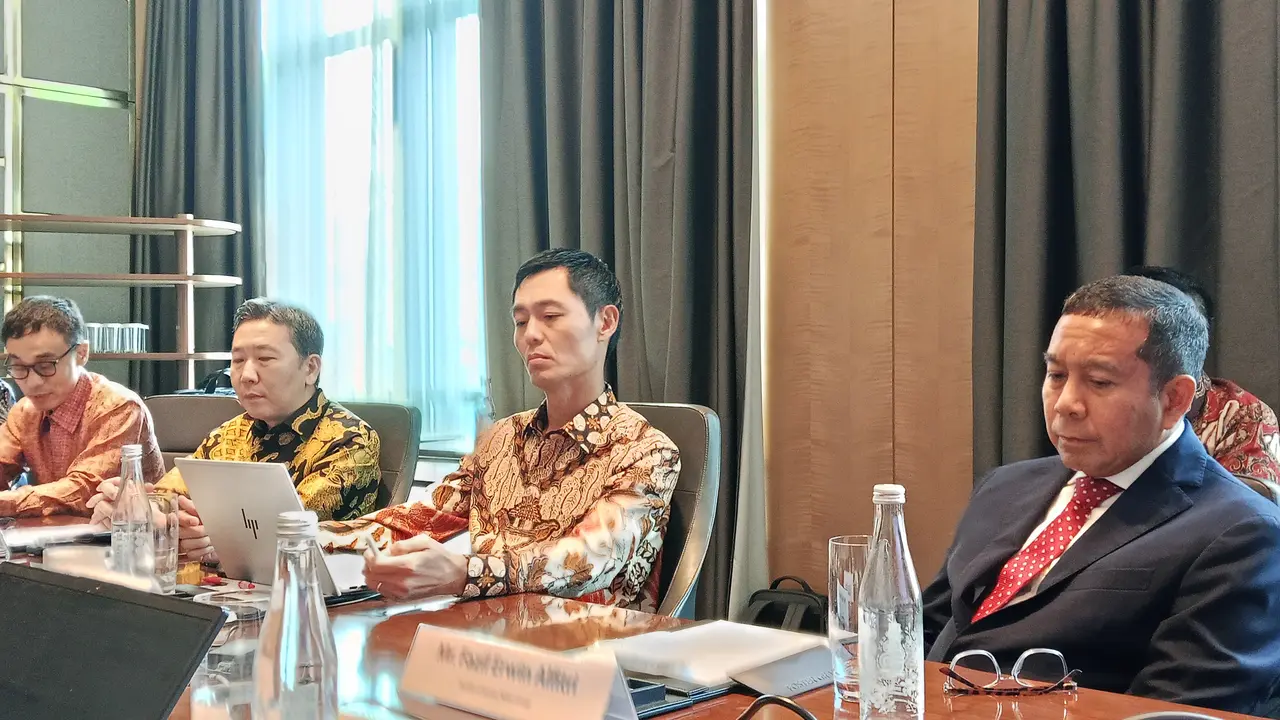
Mitsubishi Power Indonesia has pointed out that the development of an ecosystem for the widespread adoption of hydrogen energy in Indonesia faces significant challenges, particularly in terms of infrastructure. However, the company remains optimistic about the future of hydrogen energy development to achieve its Net Zero Emission target by 2060. During the "Indonesia Power Perspectives 2026" event held on September 24, 2026, President Director Nobuhiro Kawai stated, "How is the hydrogen infrastructure in Indonesia so far? We don't have it. Zero infrastructure. But we still have a bright future for it." Kawai added that Indonesia has time to build these ecosystems as technology progresses. Mitsubishi Power is developing gas turbine technology that can be used with hydrogen. "We still have time. Technology is also developing day by day, so we remain optimistic," he said. One option for developing the hydrogen supply chain is to use ammonia as a carrier for hydrogen. "For example, in Indonesia and Singapore, Singapore imports ammonia. Ammonia is one way to carry hydrogen in the form of NH3," Kawai explained. While the company can focus on developing gas turbines, Kawai indicated that other parties would need to be involved in building pipelines and ammonia delivery facilities. Mitsubishi Power's JAC (J-Series Air-Cooled) gas turbine boasts a combined cycle efficiency of over 64% and can co-fire up to 30% hydrogen. The company aims to verify 100% hydrogen combustion on its JAC turbines around 2030. Since 2020, it has been collaborating with the Bandung Institute of Technology on developing low-carbon and zero-carbon combustion technologies, including research on ammonia combustion. Source: Liputan6
Original source
Liputan6