Cambodia Seeks to Strengthen Infrastructure Cooperation with Chinese Firm, Focusing on Wastewater Treatment
Cambodian Minister of Public Works and Transport, Peng Ponea, met with Beijing Urban Construction Group (BUCG) to discuss strengthening cooperation in wastewater treatment and other infrastructure sectors. BUCG has been involved in infrastructure construction in Cambodia since 2018, particularly in wastewater treatment systems.
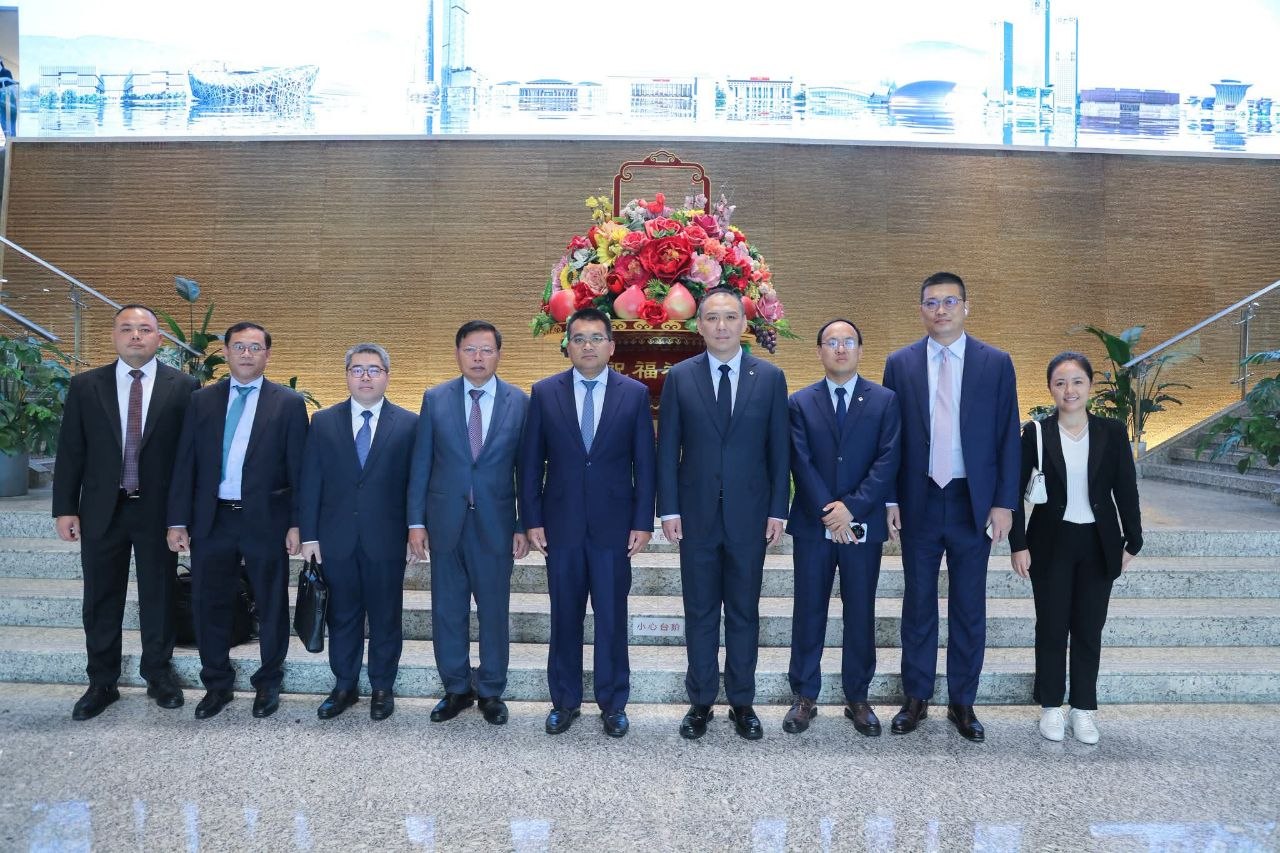
On the morning of Tuesday, June 30, 2026, H.E. Peng Ponea, Minister of Public Works and Transport, led a delegation from the ministry to meet with Mr. Luo Wei, Managing Director of International Business for Beijing Urban Construction Group (BUCG), during an official visit to the People's Republic of China. The meeting aimed to discuss and strengthen cooperation in the wastewater treatment sector, as well as to expand the company's involvement in other infrastructure sectors in Cambodia. BUCG is a Chinese company that has been involved in infrastructure construction in Cambodia, particularly in the development of wastewater treatment systems, since 2018. This meeting underscores Cambodia's ongoing efforts to enhance its infrastructure, especially in water management, to support its rapid economic growth and urbanization. China has been a significant partner in Cambodia's infrastructure development, with companies like BUCG playing a key role. The discussions highlight Cambodia's commitment to improving public health and living standards through better wastewater management, a critical component of sustainable urban development.
多角的分析
カンボジア経済はインフラ投資への依存度が高く、特に中国からの投資は経済成長の重要な推進力となってきた。下水処理事業へのBUCGの関与拡大は、都市化の進展に伴う公衆衛生問題への対応と、持続可能な開発目標達成に向けたカンボジア政府の戦略の一環である。これにより、環境汚染の軽減や水資源の保護が進み、長期的には観光業や不動産開発といった関連産業の発展にも寄与する可能性がある。
BUCGのような中国国有企業によるインフラプロジェクトへの継続的な関与は、カンボジアにおける投資機会の安定性を示唆する。特に水インフラ分野は、人口増加と都市化が進むアジア諸国で需要が高まっており、将来的な収益性が見込まれる。ただし、プロジェクトの実行リスクや、中国への債務依存度の上昇といったマクロ経済的なリスクも投資家は注視する必要がある。
下水処理事業の強化は、プノンペンなどの都市部における公衆衛生の向上に直結する。汚染された水系への生活排水の流入が減ることで、水系感染症のリスクが低下し、地域住民の健康状態の改善が期待できる。また、環境負荷の低減は、将来世代の生活環境を守る上でも重要な意味を持つ。一方で、インフラ整備の恩恵が地域住民に公平に行き渡るか、そして事業の進捗に伴う土地利用の変化などが社会的な課題となる可能性もある。
都市部では、下水処理施設の拡充によって、より清潔な水環境が期待される。これにより、子供たちの健康や、水辺でのレクリエーション活動などがより安全になる可能性がある。しかし、インフラ整備の過程で、騒音や交通渋滞が発生したり、土地の補償問題が生じたりする可能性も否定できない。市民としては、事業の透明性と、生活への影響を最小限に抑えるための配慮が求められる。
背景・歴史的文脈
カンボジアは、1990年代以降、経済復興と民主化の過程でインフラ整備を最重要課題の一つとしてきた。特に都市部への人口集中は、水インフラ、交通網、電力供給などに大きな負荷をかけている。中国は、一帯一路構想の下、カンボジアのインフラ開発に積極的に資金と技術を提供しており、道路、橋、ダム、発電所などの建設に深く関与してきた。BUCGのような中国国有建設企業は、これらのプロジェクトの主要な担い手であり、カンボジアのインフラ整備と中国の経済的影響力拡大の両面において、重要な役割を果たしている。
原文ソース
CPP Cambodia