Yamaha Develops Hybrid Motorcycle with Dual Motors
Technology
2026年7月10日
5
VnExpress

Yamaha Develops Hybrid Motorcycle with Dual Motors

AI サマリー

Yamaha is advancing the development of a new hybrid scooter, combining an internal combustion engine with two electric motors. This system enables EV-only, engine-only, or combined operation, aiming for improved efficiency and performance.

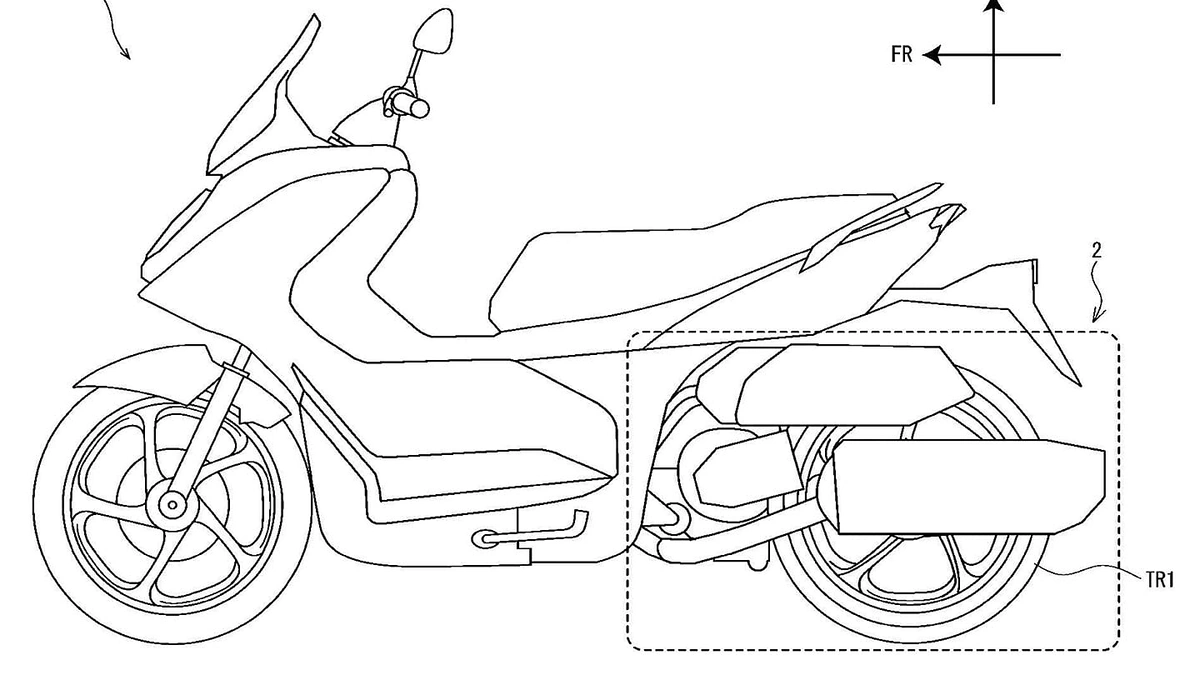
Yamaha is moving forward with the development of a new hybrid scooter equipped with an internal combustion engine and two electric motors. This innovative powertrain promises to deliver superior performance and a flexible riding experience. Yamaha has previously explored introducing hybrid technology to motorcycles. In 2005, they unveiled the concept model 'Gen-Ryu,' followed by the 'HV-X' between 2007 and 2008, though neither reached mass production. However, their long-standing collaboration with Toyota and the success of the Prius have facilitated the transfer of hybrid technology to motorcycles. Although the project was temporarily halted due to R&D budget cuts following the 2008 global financial crisis, Yamaha has recently resumed its hybrid technology development. Last year, the company introduced two concept models: the plug-in hybrid 'Proto PHEV' and the 'Proto HEV,' whose details have now been revealed. The 'Proto HEV' features a hybrid system that combines one engine with two electric motors. The first electric motor directly drives the rear wheel and supplies power to a battery pack located under the floor. This motor also functions to regenerate energy during deceleration. The second electric motor is attached to the crankshaft of the internal combustion engine and serves as both a motor and a generator. When the battery charge drops to a certain level, the engine automatically starts to operate as a generator, recharging the battery and extending the vehicle's range. The dual-motor hybrid system offers multiple operating modes. In EV mode, the rear motor operates alone for light demands. In parallel mode, for increased performance, the engine and rear motor work in conjunction. In boost mode, both electric motors assist the engine to maximize torque and output. Notably, the system can seamlessly switch between these modes without rider intervention. A control unit comprehensively manages motor operation, energy regeneration, engine throttle position, and clutch engagement/disengagement. Furthermore, patent applications indicate that this powertrain can be easily integrated not only into motorcycle designs but also into conventional scooter configurations. This technology aligns with societal trends in Vietnam, such as stricter emission regulations and growing environmental awareness. Improved fuel efficiency and reduced emissions are expected to contribute to air pollution control, particularly in urban areas where motorcycle usage is high. Source: VnExpress

多角的分析

経済的影響

ヤマハによるハイブリッドバイク開発は、ベトナムの自動車産業における技術革新と環境対応へのシフトを示唆している。内燃機関と電気モーターの組み合わせは、燃料消費の効率化と排出ガスの削減に貢献し、将来的な電動化への移行を見据えた布石となる。ベトナム政府は近年、環境保護と持続可能な開発を重視しており、このような先進技術の導入は、国内産業の競争力強化にも繋がる可能性がある。一方で、ハイブリッド技術の導入コストや、既存のインフラとの適合性などが、普及における経済的な課題となることも考えられる。

投資家心理

ヤマハのハイブリッドバイク開発は、東南アジア市場、特にベトナムにおける二輪車市場の将来的な電動化トレンドへの投資機会を示唆している。投資家は、この技術が量産化された際の市場シェア、競合他社の動向、そして政府の環境規制やインセンティブ政策を注視する必要がある。初期投資は大きいものの、環境意識の高まりと規制強化が進む中で、ハイブリッド技術はガソリン車から完全EVへの移行期間における重要な選択肢となり得る。ベトナムは世界有数のバイク市場であり、この分野での技術革新は大きなリターンをもたらす可能性がある。

社会的影響

ヤマハのハイブリッドバイク開発は、ベトナムの都市部における交通環境の改善に貢献する可能性がある。特に、騒音や排気ガスの低減は、ホーチミン市やハノイのような人口密集地での大気汚染や騒音公害の緩和に繋がる。また、EVモードでの走行は、燃料費の節約にもなり、一般市民の家計負担を軽減するかもしれない。しかし、新しい技術の導入には、初期コストの高さや、メンテナンス体制の整備といった課題も伴うため、市民がこれらの恩恵を享受できるまでには時間がかかる可能性もある。

市民の声

ヤマハのハイブリッドバイク開発は、ベトナムの市民、特に都市部でバイクを利用する人々にとって、将来的な移動手段の選択肢が広がることを意味する。燃料効率の向上や排出ガスの削減は、環境への配慮だけでなく、ランニングコストの削減にも繋がるため、家計に優しい選択肢となり得る。しかし、新しい技術は一般的に高価であるため、初期導入コストが市民にとって大きな障壁となる可能性がある。また、メンテナンスや修理のインフラが十分に整備されるかどうかも、市民の不安材料となるだろう。

背景・歴史的文脈

ベトナムは世界有数の二輪車市場であり、国民の主要な移動手段となっている。近年、政府は環境問題への意識を高め、排ガス規制の強化や再生可能エネルギーの導入を推進している。2022年には、2050年までにカーボンニュートラルを達成するという目標を掲げ、自動車産業においても電動化へのシフトを奨励している。ヤマハは、このような政策動向と、トヨタとの長年の技術提携の経験を活かし、ハイブリッド技術をバイクに導入することで、市場の変化に対応し、将来的な競争力を確保しようとしている。過去のコンセプトモデル開発の経験も、今回の本格的な開発に繋がっている。

原文ソース

VnExpress

原文を読む