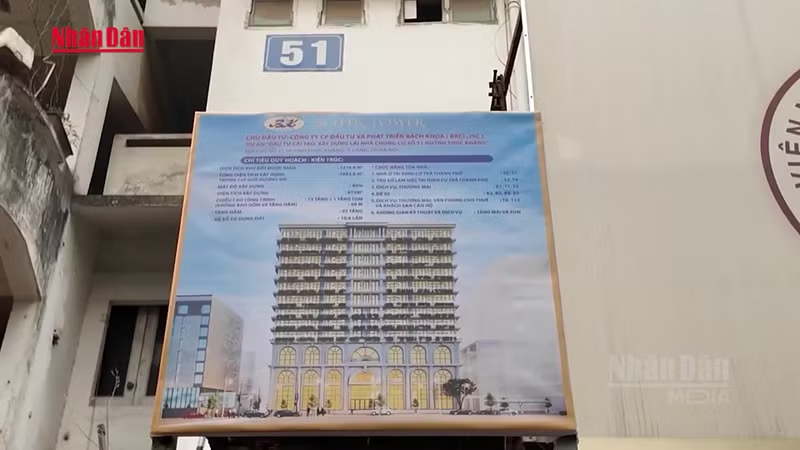
Hanoi Commences Reconstruction Project for Old Apartment Building at 51 Huynh Thuc Khang
Hanoi has officially commenced the reconstruction project for the old apartment building at 51 Huynh Thuc Khang. This initiative is a significant part of the capital's urban renewal program aimed at improving infrastructure and residents' quality of life.
In Vietnam's capital, Hanoi, the renovation and reconstruction project for the old apartment building located at 51 Huynh Thuc Khang officially commenced on July 4, 2024. This project holds significant importance within Hanoi's broader program for renovating and rebuilding old urban apartment buildings. This reconstruction initiative aims not only to refresh aging structures but also to modernize urban infrastructure and enhance the living conditions of residents. In Vietnam, rapid urban development, particularly in cities, has led to the construction of numerous apartment buildings, many of which are now aging and facing issues related to safety and deteriorating living environments. Hanoi is actively promoting urban renewal in its old districts to address these challenges, with this project being a key component. The Vietnamese government, operating under a one-party system, prioritizes economic growth and the improvement of citizens' lives. Urban development is a crucial aspect of this policy. In cities like Hanoi, where history and modernity converge, infrastructure development and improvements to living environments are considered essential for social stability and sustainable growth. The progress of this project could potentially serve as a model for similar redevelopment initiatives in other Vietnamese cities.
多角的分析
このプロジェクトは、ハノイ市の都市インフラ近代化と不動産市場の活性化に寄与する。老朽化アパートの再建は、建設業への投資を促進し、関連産業にも波及効果をもたらす。ベトナム経済は製造業と建設業が成長を牽引しており、こうしたインフラ投資は内需拡大にも繋がる。しかし、再建に伴う一時的な立ち退きや家賃上昇は、低所得者層の生活コストを増加させる可能性があり、政府による適切な補償策や支援策が求められる。
この種の都市再開発プロジェクトは、国内および海外からの不動産投資家にとって魅力的な機会となり得る。特に、政府が都市インフラ整備を重視する中、再開発された地域は資産価値の上昇が見込まれる。しかし、ベトナムの不動産市場は、法規制の変更や市場の変動リスクも伴うため、投資家は慎重なリスク評価と長期的な視点を持つ必要がある。また、プロジェクトの遅延や予期せぬコスト増のリスクも考慮すべき点である。
51 Huynh Thuc Khangのアパート再建は、住民の安全確保と生活水準向上に直接的に貢献する。しかし、再建プロセスにおいては、既存住民の移転先確保、仮住居中の生活支援、そして新居への円滑な移行が課題となる。特に、低所得者層や高齢者にとっては、家賃の上昇やコミュニティの分断といった問題が生じる可能性も否定できない。政府は、住民との丁寧な対話を通じて、これらの社会的な課題にきめ細かく対応していく必要がある。
ハノイ市民、特に51 Huynh Thuc Khangのアパート住民にとっては、長年の懸念であった老朽化と安全性の問題が解消される期待がある。しかし、再建期間中の仮住居探しや、新居での生活コスト増への不安も大きい。かつてのコミュニティが維持されるのか、新しい生活環境に馴染めるのかといった点も、住民にとっては重要な関心事となるだろう。
背景・歴史的文脈
ベトナムでは、1954年のジュネーブ協定以降、特にハノイやホーチミンなどの都市部で、旧植民地時代や初期の社会主義時代に建設された集合住宅が多く存在する。これらの多くは、急速な都市化と人口増加に対応するため、十分な計画やメンテナンス体制が整わないまま建設された。1986年のドイモイ(刷新)政策以降の経済成長に伴い、都市部では新たな集合住宅が次々と建設されたが、一方で旧市街地のインフラ老朽化は深刻な問題となった。政府は、都市の景観維持、防災、そして住民の生活の質向上を目的として、2010年代から本格的に旧市街集合住宅の再開発プロジェクトを推進してきた。しかし、住民との合意形成や、再建に伴う立ち退き、補償問題などが課題として残されている。
原文ソース
Nhan Dan