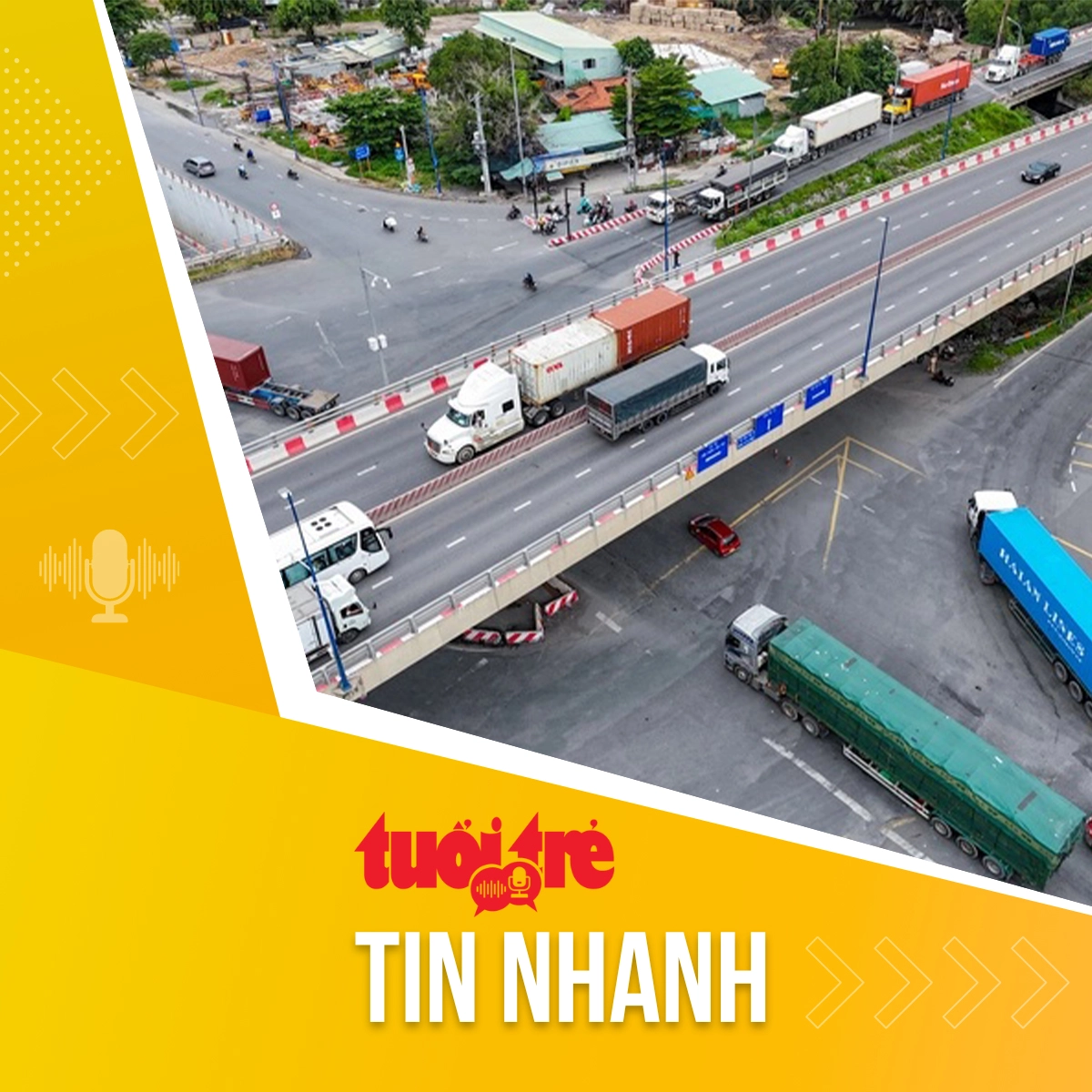
Ho Chi Minh City Prepares for Steel Overpass Construction to Ease Traffic
Ho Chi Minh City is planning the construction of multiple steel overpasses to alleviate traffic congestion. This initiative aims to address rapid urbanization and vehicle growth, facilitating smoother economic activity. Infrastructure investment is a key component of Vietnam's economic growth.
Ho Chi Minh City is preparing to construct multiple steel overpasses to alleviate severe traffic congestion in its urban areas. This plan is part of infrastructure development efforts to cope with rapid urbanization and the increasing number of vehicles. Vietnam has experienced remarkable economic growth in recent years. However, in major cities like Hanoi and Ho Chi Minh City, infrastructure development has lagged, leading to chronic traffic congestion. Ho Chi Minh City, in particular, as an economic hub, attracts a large number of vehicles, and many residents spend considerable time on daily commutes. The planned steel overpasses aim to resolve bottlenecks in the existing road network and streamline traffic flow. The use of steel is expected to shorten construction periods and reduce costs. This initiative is part of the national development plan under Vietnam's one-party system, viewed as a crucial investment to maintain and accelerate economic growth. This infrastructure investment not only contributes to domestic economic revitalization but also serves as a key factor in attracting foreign investment. For Vietnam, which maintains close ties with China, improving logistics efficiency can also lead to greater supply chain stability. Nevertheless, large-scale infrastructure projects necessitate careful consideration of environmental impacts and the well-being of residents, and continuous monitoring of the project's progress and effects is essential. Source: The Saigon Times
多角的分析
ホーチミン市の交通渋滞緩和に向けた鋼鉄製高架橋建設は、ベトナム経済成長の持続可能性を高めるための重要なインフラ投資である。過去の事例では、インフラ投資はGDP成長率に直接的なプラス効果をもたらすことが統計的に示されている。今回のプロジェクトは、物流コストの削減、企業活動の効率化、そして最終的には消費者の利便性向上に繋がり、経済全体の生産性向上に寄与すると考えられる。特に、ベトナムが製造業のハブとして国際的な地位を確立する上で、効率的な交通網は不可欠である。
この鋼鉄製高架橋建設プロジェクトは、ベトナムのインフラセクターへの投資機会を示唆している。過去、ベトナム政府はインフラ整備に積極的な姿勢を示しており、PPP(官民連携)モデルや国際開発金融機関からの資金調達も行われてきた。投資家にとっては、建設資材の供給、建設請負、インフラ運営・保守といった関連分野でのビジネスチャンスが生まれる可能性がある。ただし、プロジェクトの実行リスク、特に用地取得や環境アセスメントの遅延リスクには注意が必要である。
ホーチミン市における鋼鉄製高架橋の建設は、日々の通勤に数時間を費やす市民の生活に直接的な影響を与える。渋滞緩和により、通勤時間が短縮され、ワークライフバランスの改善が期待できる。一方で、建設工事に伴う騒音や振動、大気汚染は、周辺住民の生活の質を一時的に低下させる可能性がある。また、高架橋建設によって景観が変わることも、都市のアイデンティティや住民の愛着に影響を与える可能性がある。
ホーチミン市民にとって、交通渋滞は日常生活の大きな負担となっている。毎日のように長時間の渋滞に巻き込まれることは、精神的なストレスや経済的な損失(ガソリン代、時間の浪費)に繋がっている。今回の高架橋建設は、こうした市民の苦痛を和らげる可能性があり、生活の質向上に繋がることが期待されている。しかし、工事期間中の騒音や、完成後の通行料金の有無なども、市民生活に影響を与える要因となるだろう。
背景・歴史的文脈
ベトナムは、1986年のドイモイ政策以降、市場経済化を進め、目覚ましい経済成長を遂げてきた。特に近年の成長率は東南アジアでもトップクラスである。しかし、その成長の影で、都市部への人口集中と車両数の急増が進み、交通インフラの整備が追いついていない。ハノイとホーチミン市では、慢性的な交通渋滞が経済活動のボトルネックとなり、国民生活にも大きな影響を与えている。今回の鋼鉄製高架橋建設は、このような背景から、政府がインフラ投資を強化し、経済成長の持続可能性を高めようとする試みである。
原文ソース
The Saigon Times