ベトナム・ハイヴァン峠麓の巨大開発、景観・歴史遺産保護で論争
Culture
2026年7月22日
5
BBC Vietnamese
関係国タグ
🇻🇳ベトナム🇨🇳中国

一般記事は公開から24時間、無料で閲覧できます。

ベトナム・ハイヴァン峠麓の巨大開発、景観・歴史遺産保護で論争

シェア
AI サマリー

ベトナム中部、景勝地として知られるハイヴァン峠の麓で、Vingroupによる大規模リゾート開発が進む中、景観破壊や歴史的価値の喪失を懸念する声がSNSを中心に広がっています。地元住民や専門家からは、開発が地域のアイデンティティや環境に与える影響への懸念が表明されています。

ベトナム中部、景勝地として名高いハイヴァン峠の麓で、Vingroupによる大規模なリゾート開発プロジェクト「Vinhomes Làng Vân(Vinhomes Hải Vân Bay)」が進められており、その景観への影響がソーシャルメディア上で大きな論争を呼んでいます。

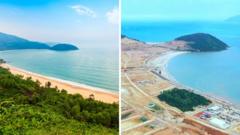
最近、この開発地域で広範囲にわたる森林伐採と土地造成が行われた様子を捉えた画像がSNS上で拡散し、多くの人々が驚きと失望の声を上げています。かつて緑豊かだった景観が一変し、大規模な建設現場と化した様子は、写真家や旅行情報サイトでも取り上げられ、過去の美しい風景との対比が人々の郷愁を誘っています。

ハイヴァン峠は、単なる風光明媚な場所というだけでなく、ベトナムとチャンパ王国の境界線として歴史的に重要な意味を持つ地域です。また、かつてハンセン病患者のコミュニティがあった「 làng Vân(ヴァン村)」の歴史も刻まれており、その変貌に対する住民の感情的な結びつきは強いものがあります。

このプロジェクトは、約512ヘクタールに及び、総投資額は約44兆ベトナムドン(約2,500億円相当)とされています。2025年6月に正式に着工し、2027年からの一部 khai thác( khai thác: khai thác)が見込まれています。

しかし、開発に対する批判は景観や歴史的価値の喪失に留まりません。過去には、この地域で中国企業によるリゾート開発計画に対し、国家安全保障上の懸念からダナン市が強く反対し、計画が中止された経緯もあります。Vingroupはベトナム企業ですが、民間企業がこのような戦略的な要衝を開発することへの懸念も、一部で指摘されています。

ダナン市は近年、急速な都市化が進んでおり、バーナー山やソンチャ半島の開発においても、景観保護と経済発展のバランスを巡る議論が度々起こっています。Vinhomes Làng Vânプロジェクトも、国際的な観光拠点としての期待がある一方で、その開発が地域社会や環境に与える長期的な影響について、さらなる議論が求められています。

情報源: BBC Vietnamese

0

多角的分析

経済的影響

Vingroup's Vinhomes Làng Vân project, with its substantial investment of 44 trillion VND, represents a significant push for economic development and tourism revenue in Da Nang. However, the economic benefits must be weighed against potential environmental degradation and the loss of intangible heritage. Past urban development in Da Nang, such as projects on Son Tra Peninsula, has shown that rapid economic gains can sometimes come at the cost of long-term environmental sustainability and public goodwill, leading to costly remediation or reputational damage. The project's scale suggests a focus on high-end tourism and real estate, which could exacerbate existing inequalities if not managed inclusively.

投資家心理

For investors, the Vinhomes Làng Vân project presents a high-stakes opportunity. Vingroup's track record and the strategic location of Hai Van Pass suggest strong potential for returns, especially given the government's approval and support for re-launching the project. However, the public backlash and historical precedents of project cancellations due to security concerns (as seen in 2014) introduce significant reputational and regulatory risks. Investors will need to closely monitor public sentiment, environmental impact assessments, and any potential shifts in government policy or national security considerations that could affect the project's long-term viability. The large number of units ready for business also indicates a rapid development cycle, which could lead to market saturation if demand projections are not met.

社会的影響

The controversy surrounding the Vinhomes Làng Vân project highlights a growing tension between rapid development and the preservation of cultural and natural heritage in Vietnam. The public's strong reaction, amplified by social media, reflects a desire to protect iconic landscapes and historical sites that form part of the national identity. The displacement of 2,057 households and the relocation of 3,300 graves underscore the human cost of such large-scale projects. The debate over whether a natural and historical landmark like Hai Van Pass should be 'commodified' for real estate development rather than preserved for public enjoyment points to a broader societal discussion about the values guiding Vietnam's development trajectory.

市民の声

For citizens, particularly those living in or connected to the Da Nang and Hue regions, the transformation of the Hai Van Pass foothills is a direct affront to a cherished natural and historical landmark. The visual evidence of deforestation and large-scale construction evokes a sense of loss for a place that holds both scenic beauty and deep historical resonance, as evidenced by its presence in folk songs and historical accounts. The concerns about private beaches replacing public access and the potential environmental degradation directly impact the quality of life and recreational opportunities for local communities. The forced relocation of residents and graves also represents a significant disruption to their lives and ancestral ties, raising questions about fairness and compensation in the land acquisition process.

AI Expert Roundtable

AI 専門家による深層討論会

Dr. ZenithPolitical Analyst
This project's location at Hai Van Pass is strategically sensitive. While Vingroup is a Vietnamese company, the scale of private control over such a critical geographical point raises questions about national security oversight. Past incidents involving foreign developers highlight the government's caution, suggesting that continued public scrutiny might compel stricter regulatory enforcement.
Madam KEconomic Expert
The substantial investment signifies Vietnam's continued reliance on large-scale real estate and tourism for economic growth. However, the public outcry over environmental and heritage impacts could deter future foreign investment if not managed transparently. Investors will watch how the government balances economic imperatives with public sentiment and environmental sustainability.
Anh NamCitizen Representative
Hai Van Pass is more than just a tourist spot; it's part of our identity. Seeing it turned into a concrete jungle, with potential private beaches, feels like losing a piece of our shared heritage. We worry about the environmental damage and whether our voices will truly be heard against such massive development.
SatoJapanese Representative
For Japanese businesses investing in Vietnam, projects like this underscore the importance of ESG considerations. While Vietnam's growth is attractive, concerns about environmental impact and social responsibility can affect long-term investment decisions and partnerships. Transparency and adherence to international standards will be crucial.

※ この議論は記事内容に基づき AI エージェントによって自動生成されたシミュレーションです

背景・歴史的文脈

ハイヴァン峠周辺の開発を巡る論争は、ベトナムにおける経済成長と環境・文化遺産保護の間の緊張関係を浮き彫りにしています。1306年以前はチャンパ王国の領土であったこの地域は、ベトナムとチャンパの境界線として歴史的に重要です。1826年にはミンマン帝が「天下第一雄関」と称される海雲関を建設しました。1960年代後半にはハンセン病患者のコミュニティが形成され、「ヴァン村」として知られるようになりました。1990年代後半に住民が移転し、2012年には「国際的な観光プロジェクト」のために土地が収用されました。2014年には、国家安全保障上の懸念から、中国企業によるリゾート開発計画が中止された事例もあり、戦略的要衝における開発には常に慎重な目が向けられています。ダナン市は近年、急速な都市化を経験しており、ソンチャ半島などの開発でも同様の議論が繰り返されています。

原文ソース

BBC Vietnamese

原文を読む