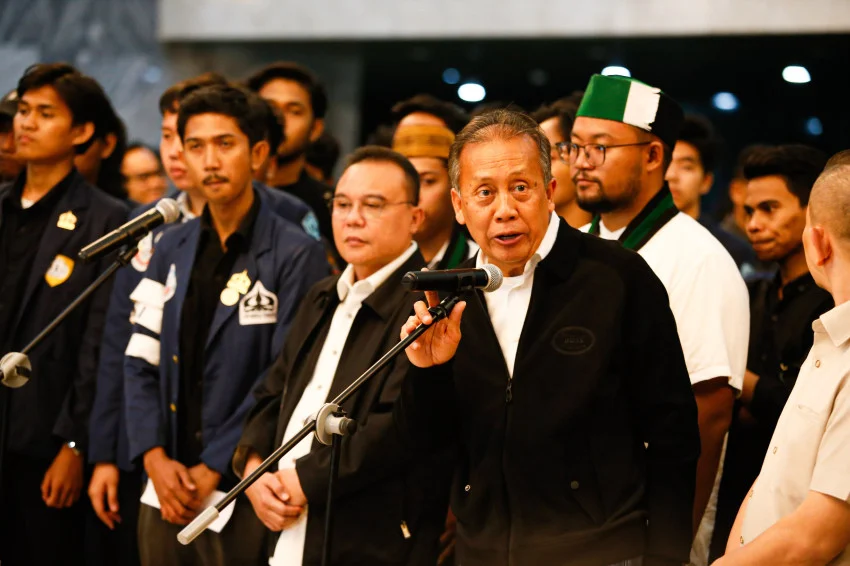
Indonesia: MUI Prepares Academic Paper for LGBT Criminal Code Bill, DPR Pledges Follow-Up
The Indonesian Ulema Council (MUI) is reportedly preparing an academic paper regarding a proposed amendment to the criminal code concerning LGBT issues. The House of Representatives (DPR) has pledged to follow up on this initiative. This development is likely to spark discussions on the intersection of religious and social values with legal frameworks in Indonesia.
The Indonesian Ulema Council (MUI) is reportedly preparing an academic paper concerning a proposed amendment to the criminal code related to LGBT (Lesbian, Gay, Bisexual, and Transgender) individuals. This move highlights the tension in Indonesia between traditional and religious values and the diverse gender identities present in contemporary society. The House of Representatives (DPR) has expressed its intention to take the academic paper prepared by the MUI seriously and consider it in the legislative process for the bill. This suggests that religious leaders' opinions hold significant influence in Indonesia's legal development process. As the world's most populous Muslim country, the MUI plays a crucial role in offering recommendations on social norms and ethics. Discussions surrounding this criminal code amendment could draw attention not only within Indonesia but also from the international community. Particularly, as debates over rights related to sexual orientation and gender identity intensify, Indonesia's legal approach will be watched to see how it positions itself amidst other Muslim-majority nations and the global trend towards respecting diversity.
多角的分析
現時点では、LGBT関連の刑法改正案に関するMUIの学術論文準備は、直接的な経済的影響を及ぼす段階ではない。しかし、将来的に法制化された場合、国内の観光業や国際的なビジネス環境において、LGBTQ+コミュニティに対する姿勢が企業のCSR活動や投資判断に影響を与える可能性が考えられる。特に、ハラル産業など特定のセクターでは、社会的な規範との整合性が重視されるため、間接的な影響が生じることもあり得る。
現段階では、MUIの学術論文準備という情報のみであり、直接的な投資リスクを評価するのは時期尚早である。しかし、インドネシアの法制度が性的指向や性自認に関してどのような方向性を示すかは、長期的な投資環境、特に人権やESG(環境・社会・ガバナンス)を重視する投資家にとって重要な判断材料となり得る。法制化が進めば、国内の多様性受容度に関する懸念から、一部の国際的な投資ファンドが警戒感を示す可能性も否定できない。
MUIがLGBT関連の刑法改正案に関する学術論文を準備しているという事実は、インドネシア社会における保守的な価値観と、グローバルな人権基準との間の継続的な緊張関係を示している。この法案が具体化されれば、LGBTQ+コミュニティの権利や、社会における受容度に直接的な影響を与える可能性がある。また、この問題は、宗教的信条を重視する層と、よりリベラルな価値観を持つ層との間で、社会的な分断を深める要因となり得る。特に、教育現場や公共の場での言動に関する規制が強化される場合、市民の表現の自由やプライバシーに関する懸念も生じるだろう。
MUIがLGBT関連の刑法改正案に関する学術論文を準備しているというニュースは、インドネシア市民、特にLGBTQ+コミュニティに属する人々にとって、自身の権利や社会における立場に対する不安を増大させる可能性がある。また、保守的な価値観を持つ市民にとっては、伝統的な道徳観を守るための法整備が進むと捉えられるかもしれない。国会(DPR)がMUIの論文を重視する姿勢は、市民の多様な意見が法整備プロセスにどの程度反映されるのか、という疑問を投げかける。
背景・歴史的文脈
インドネシアにおけるLGBTQ+に関する法的・社会的な議論は、同国の複雑な社会構造を反映している。世界最大のイスラム教徒人口を擁するインドネシアでは、イスラム法学の権威であるMUIの意見が社会に大きな影響力を持つ。近年、性的指向や性自認に関する国際的な権利擁護の動きが広がる中で、インドネシア国内でもLGBTQ+コミュニティの権利を巡る議論が活発化している。しかし、保守的な価値観を持つ層からは、伝統的な家族観や宗教的教義に反するという懸念の声も根強く、法整備においてはこれらの対立する意見の調整が課題となっている。過去には、LGBTQ+に関する公的な言動を制限するような動きも見られており、今回の刑法改正案の議論も、こうした背景の中で進められている。
原文ソース
Sindonews