General articles are free for 24 hours after publish.
Philippine Banks See Rise in Bad Loans Amid Persistent Inflation; Consumer Credit Under Strain
Philippine banks experienced a rise in nonperforming loans (NPLs) in July, with consumer credit segments like credit cards and auto loans showing increased delinquencies due to persistent high inflation straining household budgets. While banks slightly reduced provisions, overall sector health remains intact.
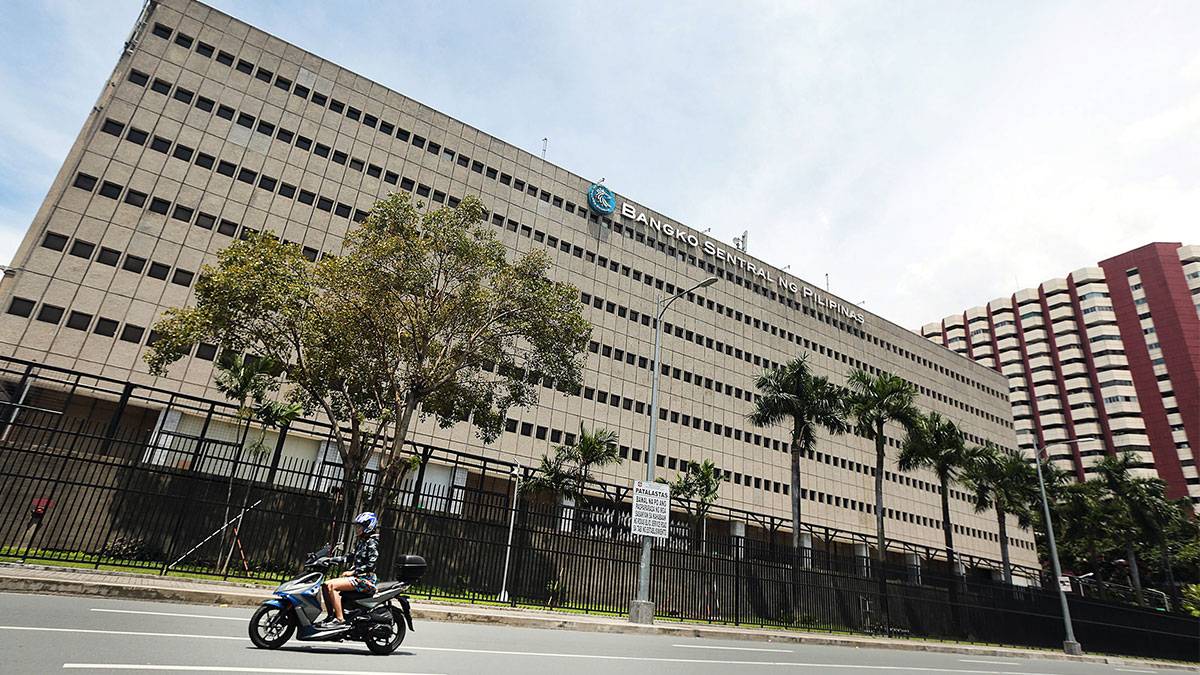
MANILA, Philippines — The share of bad loans on Philippine banks’ lending books rose in July, as more borrowers fell behind on credit card and motor vehicle payments amid persistently high inflation. Latest data from the Bangko Sentral ng Pilipinas (BSP) showed nonperforming loans (NPLs), or debts that remain unpaid 90 days past the due date and at risk of default, accounted for 3.35 percent of lenders’ total loan portfolio. That figure, also known as the gross NPL ratio, was higher than 3.29 percent recorded in June. In peso terms, P585 billion of the local banking industry’s P17.4-trillion loan book turned sour in July. That amount of NPLs was more than 9 percent higher than a year earlier. Banks, meanwhile, slightly reduced their cushion against potential losses. Lenders set aside nearly P541 billion in provisions for credit losses, bringing their NPL coverage ratio to 92.45 percent, down from 92.52 percent a month earlier. The ratio nevertheless remained close to the amount of bad loans on banks’ books. The deterioration was concentrated in consumer credit, suggesting that some households are coming under greater pressure to keep up with debt payments as living costs remain elevated. The NPL ratio for consumer loans rose to 5.49 percent in July from 5.44 percent a month earlier. Credit card receivables had an NPL ratio of 5.34 percent, up from 5.28 percent, while the ratio for motor vehicle loans increased to 5.51 percent from 5.49 percent. By contrast, the NPL ratio for business loans edged down to 3.27 percent, the lowest in six months. To combat inflation, the BSP has raised its key rate that guides bank lending costs to 5 percent. Policymakers vowed to tighten monetary policy as much as needed to bring consumer price hikes back to the central bank’s target. Jonathan Ravelas, senior adviser at Reyes Tacandong & Co., said the banking sector remained healthy despite the slight deterioration in loan quality, citing strong capitalization and adequate provisioning. “While the economy continues to grow, not all sectors and borrowers are recovering at the same pace, which is affecting repayment capacity in certain segments,” Ravelas said. “At the same time, as bank lending expands, a modest rise in NPLs is a normal part of the credit cycle.” INQ
Original source
Inquirer Business