Manila Water Assures 24/7 Service Amid El Niño, Lower Angat Dam Allocation
Infrastructure
2026年7月1日
4
Inquirer NewsInfo

Manila Water Assures 24/7 Service Amid El Niño, Lower Angat Dam Allocation

AI サマリー

Manila Water assured continuous 24/7 water service to its East Zone customers despite El Niño and reduced allocation from Angat Dam. The company is bolstering supply through strategic infrastructure investments and alternative water sources.

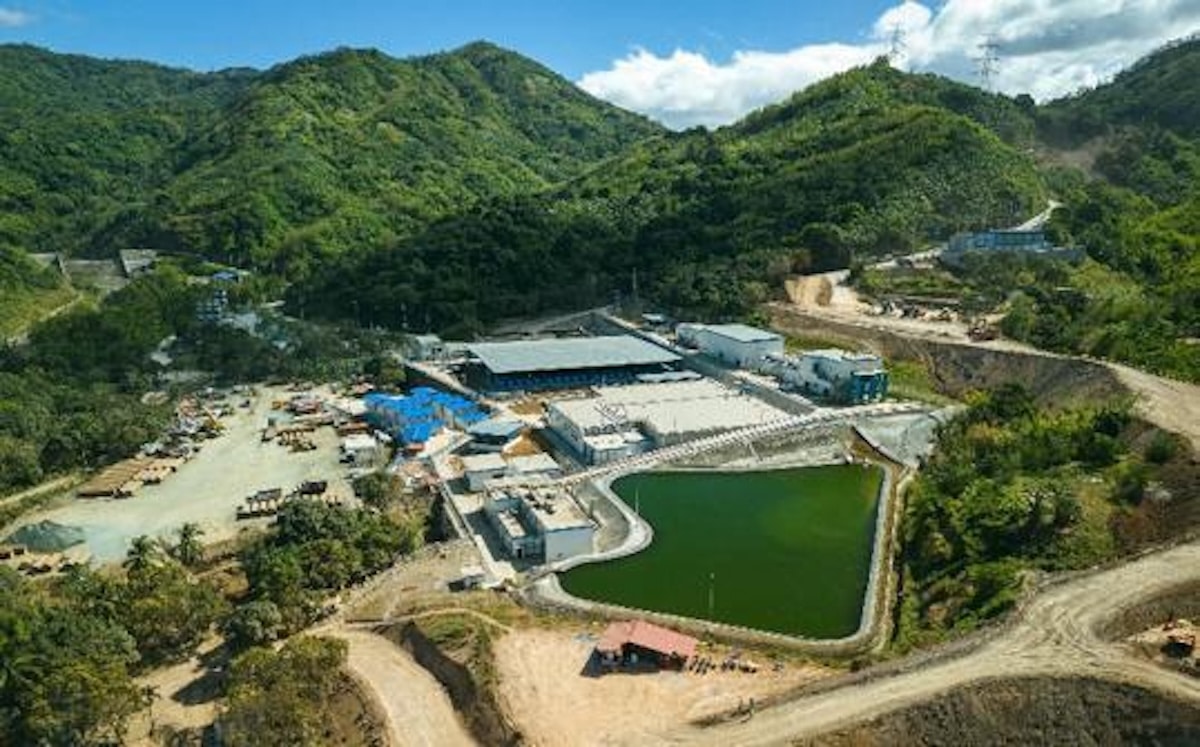
MANILA, Philippines — Manila Water assured its East Zone customers of continued water service 24/7 despite the effects of a strong El Niño and the reduced allocation from Angat Dam. According to a statement on Tuesday, the National Water Resources Board (NWRB) has lowered the allocation to 48 cubic meters per second (CMS) from the usual 52 CMS as the water level in Angat neared the critical level of 160 meters. Despite this, Manila Water said customers could expect a steady supply and normal water pressure. READ: Manila Water accelerates Batasan-Balara wastewater project The company explained that it has taken strategic infrastructure investments and projects to ease its dependence on Angat Dam. Over the years, it has developed alternative water sources that now help keep supply stable, especially during dry months, sources that were not available during previous El Niño episodes. Among the key sources already in operation are the Upper Wawa Dam and Tayabasan Weir, which can deliver up to 710 million liters per day and serve as a major buffer during supply constraints. Currently, additional water coming from the Calawis Water Supply System Phase 1 can provide up to 80 million liters per day. Supply is further strengthened by treatment facilities drawing from Laguna Lake. These include the Cardona Water Treatment Plant, which can produce up to 110 million liters per day, and the East Bay Phase 1 Treatment Plant, which adds another 50 million liters per day. Because of these sources, Manila Water can draw water to augment the reduced supply from Angat and keep water flowing to homes across the East Zone without interruption. The company is also set to boost supply further with soon-to-be-completed projects within the year. The Kaysakat Project is expected to add 220 million liters per day once completed in October, while the East Bay Phase 2 Water Supply Project will contribute another 200 million liters per day once it begins to be commissioned by September. READ: Manila Water assures water supply despite lower Angat levels These should augment water supply and continue providing 24/7 water supply into next year should El Niño persist beyond 2026. “With these infrastructure investments to provide additional water supply in place, our customers can continue to enjoy 24/7 water service despite the lower allocation from Angat Dam brought about by the El Niño phenomenon. The company is also continuing to enhance these efforts to secure water supply in the long term, with more water supply projects already in the pipeline,” Manila Water Corporate Communication Group Head Dittie Galang said. With these existing and incoming sources, Manila Water foresees that it can continue to supply its concession area with 24/7 water availability without the need for rotational water interruptions or water rationing. The company continues to closely monitor supply and demand, especially as hotter weather drives higher water use. Even with the additional water sources, customers are encouraged to practice intelligent and responsible water use to help ensure supply remains steady throughout the El Niño period, which can last up to early 2027. /atm

多角的分析

経済的影響

エルニーニョ現象による水不足は、農業生産への打撃や、水不足地域での生活コスト上昇を引き起こす可能性がある。マニラ水道が代替水源を確保し、給水を維持できることは、経済活動の安定化に寄与する。しかし、長期的な水資源管理への投資不足は、将来的なインフレ圧力や経済成長の阻害要因となりうる。過去のエルニーニョ発生時、特に2019年には、マニラ首都圏で深刻な断水が発生し、企業活動や市民生活に多大な影響を与えた。今回のマニラ水道の対応は、過去の教訓を踏まえたインフラ投資の重要性を示唆している。

投資家心理

マニラ水道の代替水源開発への戦略的投資は、投資家にとってリスク軽減要因となる。アンガットダムへの依存度を下げることで、自然災害やダムの水位変動による収益への影響を抑制できる。今後も、同様のインフラプロジェクトへの継続的な投資が、同社の安定した収益性と事業継続性を保証する鍵となるだろう。特に、水不足が長期化する可能性を考慮すると、新規水源開発や浄水技術への投資は、長期的なバリュー創出に繋がると考えられる。

社会的影響

エルニーニョによる水不足は、特に低所得者層にとって、水へのアクセスと生活費の増加という形で直接的な影響を与える。マニラ水道が給水を維持できることは、これらの層の生活への影響を緩和する。しかし、水の使用制限や節水への呼びかけは、日々の生活における追加的な負担となりうる。また、水資源の持続可能な利用は、将来世代の生活基盤にも関わる公共の課題であり、政府と民間企業、そして市民一人ひとりの意識と行動が問われている。

市民の声

エルニーニョによる暑さと水不足は、マニラ首都圏の住民、特に水供給が不安定になりがちな地域に住む人々にとって、日々の生活に大きな不安をもたらす。マニラ水道が24時間給水を保証したことは、安心材料となる。しかし、水の使用量が増加する時期に節水を呼びかけられることは、家庭での水の使用方法を見直す必要性を感じさせる。過去の断水経験から、住民は水不足への備えの重要性を認識しており、代替水源の開発は、こうした不安を軽減する一助となるだろう。

背景・歴史的文脈

フィリピンは、地理的要因からエルニーニョ現象による干ばつや、台風による洪水といった気候変動の影響を受けやすい。特に、首都圏の水供給の約9割を依存するアンガットダムの水位低下は、深刻な水不足を引き起こすリスクを常にはらんでいる。過去、2019年のエルニーニョ時には、マニラ首都圏で大規模な断水が発生し、市民生活や経済活動に甚大な影響を与えた。この経験から、フィリピン政府および水道事業者は、アンガットダムへの依存度を減らし、代替水源の開発やインフラ整備の重要性を認識している。マニラ水道が今回実施している戦略的投資は、こうした過去の教訓に基づいた、水供給の安定化に向けた継続的な取り組みの一環である。

原文ソース

Inquirer NewsInfo

原文を読む