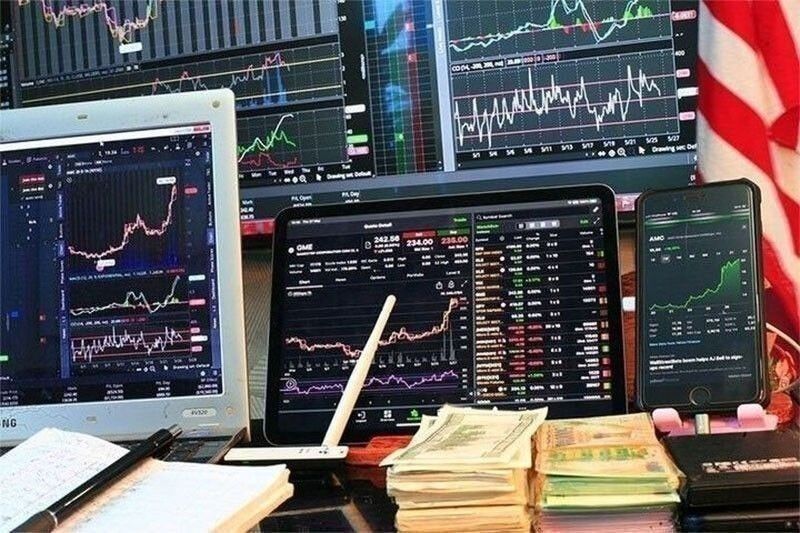
Philippine Stocks Rebound on Bargain Hunting Amid Cautious Sentiment
The Philippine stock market rebounded from a sharp decline the previous day, driven by bargain hunters seeking undervalued stocks. However, market sentiment remains cautious due to inflation concerns and geopolitical risks.
MANILA, Philippines — The local stock market bounced back after a sharp drop the previous day as investors engaged in bargain hunting. The benchmark Philippine Stock Exchange index (PSEi) rose by 0.53 percent or 32.09 points, ending yesterday’s session at 6,069.26. The broader All Shares index also improved by 0.17 percent or 5.49 points to close at 3,324.78. Analysts said the local bourse advanced after investors hunted for bargains following Tuesday’s decline. Luis Limlingan of Regina Capital said investor sentiment improved as participants picked up select names at attractive levels. “The market also tracked the broader regional recovery, supporting a more positive tone. However, investors remained cautious as elevated inflation forecasts continued to weigh on market outlook,” Limlingan said. Philstocks Financial research manager Japhet Tantiangco said market sentiment was further supported by optimism over US-Iran negotiations and regional diplomatic efforts, which pushed oil prices lower. Trading was weak as total turnover value stood at P4.63 billion. Foreigners were net sellers with net outflows at P79.59 million. Sectoral gauges were a mixed bag, with financials leading the charge with 0.93-percent jump, while mining and oil incurred the biggest loss at 1.44 percent. Market breadth was negative as decliners edged out advancers, 102 to 89, while 61 issues were changed. ICTSI was the session’s top traded stock, climbing by 1.12 percent to P900 per share, followed by BDO Unibank and Jollibee, which gained by 0.42 percent and 4.09 percent, respectively, to P119 and P140. The Philippine economy faces dual challenges of inflationary pressures and global economic uncertainties. While remittances from Overseas Filipino Workers (OFWs) continue to support the economy, domestic price hikes are straining household budgets. Geopolitical tensions in the South China Sea remain a concern for regional economic stability. In terms of Japan-Philippines relations, economic cooperation and people-to-people exchanges continue to be important pillars of bilateral ties.
多角的分析
フィリピン株式市場の反発は、短期的な割安感からの買い戻しによるものであり、構造的な経済問題の解決を示唆するものではない。依然として高いインフレ率は家計の実質購買力を低下させ、国内消費の持続的な成長を阻害する要因となっている。海外からの送金が経済を支えているとはいえ、インフレ抑制策の進展や、グローバルなサプライチェーンの安定化が、市場の本格的な回復には不可欠である。特に、エネルギー価格の動向は、インフレ率と企業収益の両方に直接的な影響を与えるため、注視が必要である。
今回の市場の動きは、短期的なトレーダーや、一時的な価格下落を好機と捉える投資家による「バイ・ザ・ディップ」戦略の表れである。しかし、外国人投資家が依然として純売り越しであることは、より長期的な視点を持つ機関投資家や海外投資家が、フィリピン市場に対して警戒感を抱いていることを示唆している。高インフレと地政学的な不確実性は、投資リスクを高める要因であり、市場の持続的な上昇には、これらのリスク要因の緩和と、より明確な経済成長の見通しが必要となるだろう。
株式市場の短期的な変動は、多くのフィリピン市民の日常生活に直接的な影響を与えにくいものの、インフレ率の上昇は、食料品や燃料価格の上昇を通じて、一般市民の家計を圧迫している。特に低所得層にとって、生活必需品の価格上昇は深刻な家計の負担増となる。また、株式市場の低迷は、年金基金や投資信託の価値にも間接的に影響を与える可能性があり、将来の経済的安定に対する不安を増大させる要因となりうる。マニラ首都圏の交通渋滞やインフラ整備の遅れも、経済活動の非効率性を高め、物価上昇を助長する一因となっている。
フィリピン株式市場は前日の大幅安を受け、割安感を求めた投資家の買い戻しにより反発した。しかし、インフレ懸念や地政学リスクから市場心理は依然として慎重な様子を見せている。。記事本文に基づく追加の深掘りが必要な場合は、関連ソースを確認しながら補完してください。
背景・歴史的文脈
フィリピン株式市場は、海外からの送金(OFWレミタンス)や、国内外からの投資によって支えられてきた歴史がある。しかし、近年はインフレ率の上昇、グローバル経済の不確実性、そして南シナ海における地政学的な緊張が、市場の不安定要因となっている。特に、2022年以降、世界的なインフレ圧力の高まりを受けて、フィリピン中央銀行も利上げを実施し、経済成長とのバランスを取る政策をとってきた。今回の市場の反発は、こうしたマクロ経済環境の変動の中で、短期的な投資機会を捉えようとする動きとして位置づけられる。日比関係においては、経済協力やインフラ投資、人的交流が両国関係の基盤となっており、フィリピン経済の安定は日本にとっても重要である。
原文ソース
Philstar Business