General articles are free for 24 hours after publish.
Jakarta's Food Waste Dominates Daily Trash Heap of 9,059 Tons
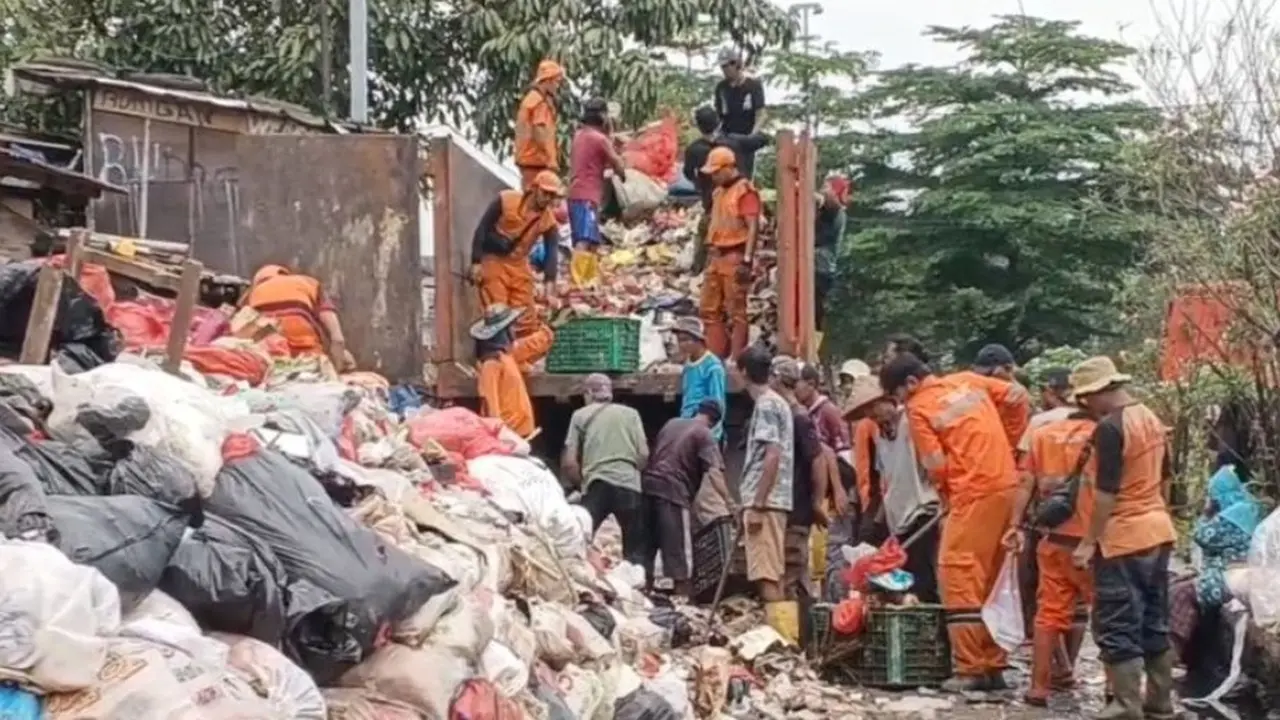
Jakarta generates approximately 9,059 tons of waste daily, with nearly half attributed to food waste. City authorities are urging households and businesses to adopt habits that reduce food loss.
The Jakarta Provincial Government has recorded that the capital city generates approximately 9,059 tons of waste daily. Nearly half of this amount consists of organic waste, predominantly food waste. Dudi Gardesi Asikin, Head of the Jakarta Environmental Agency (DLH), stated that the high volume of food waste presents a significant challenge to the urban waste management system. He emphasized that reducing food waste from households and businesses is a crucial step in alleviating the burden of waste management. "The less food is wasted, the smaller the volume of waste that needs to be collected, transported, and processed. Therefore, reducing food waste must become a part of the daily habits of Jakarta residents," Asikin said. He explained that reducing food waste directly impacts the volume of waste the government handles daily, from collection and transportation to processing. Citizens can contribute through simple actions such as planning their grocery shopping according to needs, taking only what they can eat, finishing their meals, repurposing edible food, and sorting organic and inorganic waste from home. "The continuous increase in food waste places a large burden on the urban waste management system. Therefore, its reduction must start from daily habits in managing food," Asikin stressed. The Provincial Government is currently rolling out the "Gerakan Warga Jakarta Bijak Pangan" (Jakarta Citizens' Wise Food Movement), integrated with the "Gerakan Pilah Sampah" (Waste Sorting Movement). Through this program, residents are encouraged to plan their consumption, prevent food waste, utilize edible food, and sort waste at the source. According to Asikin, this movement is being carried out in collaboration with the Indonesia Business Council for Sustainable Development (IBCSD), involving communities and businesses in the hotel, restaurant, and catering (HORECA) sectors. He noted that this collaboration is part of efforts to build a more effective and sustainable waste management system. Indah Budiani, Executive Director of IBCSD, stated that the "Gerakan Warga Jakarta Bijak Pangan" aims to change public perception, viewing food waste as a preventable issue through daily habit changes. She believes that changes in household habits, when consistently adopted by millions of Jakarta residents, will have a significant impact. Wise food management is seen as a way to reduce waste, save household expenses, and strengthen social responsibility. Budiani concluded that through the involvement of the government, public, communities, and the business sector, the amount of food waste ending up as trash can be continuously reduced at its source. Source: Liputan6
Original source
Liputan6