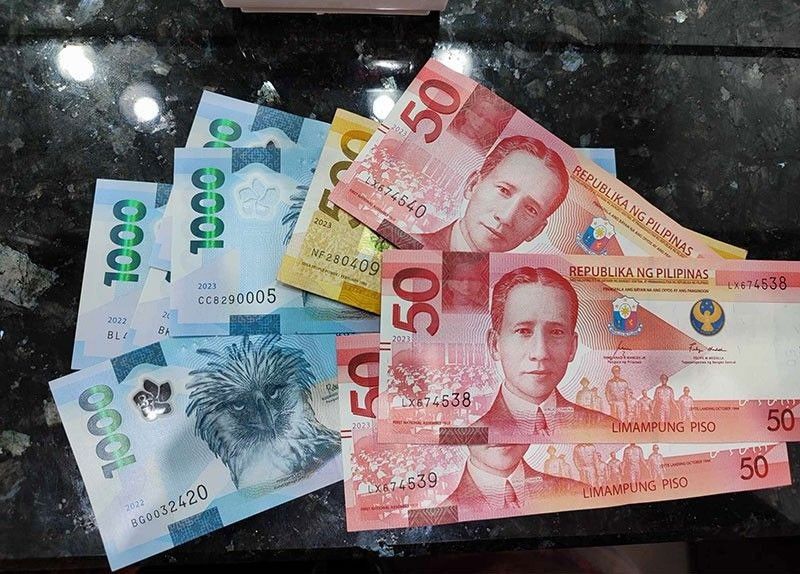
Philippine Government Debt Reaches P18.55 Trillion by End of May
Politics
2026年7月2日
5
Philstar Business

Philippine Government Debt Reaches P18.55 Trillion by End of May

AI サマリー

The Philippines' outstanding government debt reached P18.55 trillion by the end of May, a 0.41% increase from April. The rise was primarily driven by financing needs amidst the Middle East conflict, though a stronger peso helped moderate the growth.

MANILA, Philippines — The outstanding debt of the national government of the Philippines is at P18.55 trillion as of end of May 2026, indicating a 0.41% or P76.11 billion increase from April’s record of P18.47 trillion, according to the Bureau of Treasury. The increase was due to the need of the government to support the country’s financing needs amid the Middle East conflict, while the appreciation of the Philippine peso against the U.S. dollar and other foreign currencies helped moderate it from climbing to larger amounts. According to the bureau, a major part or 67.37% of this debt came from domestic sources, while 32.63% were external obligations. Domestic debt, or financial obligations from creditors within the country, now stood at P12.50 trillion, reflecting a 0.65% or P80.12 billion increase from the end of April. This also reflected a 3.13% or P379.26 billion increase from the end of December 2025. The bureau said this increase is parallel with the government’s strategy to rely more on domestic sources. Debts from external sources, meanwhile, moved down to P6.05 trillion, showing a 0.07% or P4.01 billion reduction from April. “This is due to the significant peso appreciation against the US dollar and other foreign currencies,” the bureau said in a press release on Thursday, July 2. Meanwhile, the guaranteed obligations of the national government also increased to P443.50 billion. This amounts to 15.73% or P60.28 billion increase from April. Guaranteed obligations are financial debts from government-owned corporations and agencies, in which the national government acts as guarantor. It means the government is legally obligated to pay this amount if the original borrower failed. The Bureau of Treasury added that the increase actually reflected the government’s strategy. “This reflects the government's prudent debt management strategy of prioritizing domestic financing to support local capital markets, while reducing exposure to foreign exchange risks,” they added. Source: Philstar Business

多角的分析

経済的影響

フィリピン政府債務の増加は、中東情勢の緊迫化による地政学的リスクの高まりが、国際金融市場の不確実性を増大させ、国内での資金調達をより重視する戦略を加速させたことを示唆している。ペソ高が債務増加を抑制したことは、一時的な為替変動が財政状況に与える影響の大きさを浮き彫りにしている。長期的に見れば、国内債務への依存度を高めることは、外国為替リスクの低減に寄与する一方で、国内金利への影響や、国内資本市場の成熟度という課題に直面する可能性がある。

投資家心理

政府債務の増加は、投資家にとって国債の信用リスクや金利動向を注視する要因となる。特に、中東紛争のような地政学的な不確実性が高まる中で、政府が国内調達を優先する姿勢は、国内投資家にとっては安定した投資機会を提供する可能性があるが、外国投資家にとっては、為替リスクや国内経済の動向への懸念を高める可能性もある。政府保証債務の増加は、潜在的な財政負担の増加を示唆しており、投資家は政府の財政健全性に対する監視を強めるだろう。

社会的影響

政府債務の増加は、将来的な国民への税負担増加や、公共サービスへの投資抑制につながる可能性がある。中東紛争のような国際情勢の変動が、国民生活に直接的な影響を与える資金調達コストの増加を招くことは、国民の経済的安定への不安を増幅させる。また、政府保証債務の増加は、政府が間接的に負うリスクが増大していることを意味し、万が一の際の国民生活への影響が懸念される。特に、海外就労者が多いフィリピンにおいては、海外での経済的ショックが国内経済に波及するリスクも考慮する必要がある。

市民の声

政府債務の増加は、将来の税金や公共料金の上昇という形で、国民の家計に影響を与える可能性がある。中東情勢の不安定化が、国の借金増につながるという事実は、国際情勢と国民生活の繋がりを実感させる。政府保証債務の増加は、万が一、政府が保証した企業や機関が破綻した場合、国民の税金がその穴埋めに使われるリスクを示唆しており、将来への不安を感じさせる。

背景・歴史的文脈

フィリピン政府の債務は、過去数十年にわたり、経済成長の鈍化、自然災害への対応、インフラ投資、そして近年のパンデミック対策など、様々な要因により増加傾向にある。特に、2000年代以降、財政赤字の削減と経済成長の両立を目指す中で、国内債務と対外債務のバランスを取りながら、資金調達を行ってきた。中東情勢の緊迫化は、原油価格の高騰やサプライチェーンの混乱を通じて、フィリピン経済に間接的な影響を与える可能性があり、政府はこれに対応するための追加的な資金調達を迫られている。

原文ソース

Philstar Business

原文を読む