一般記事は公開から24時間、無料で閲覧できます。
クイニョン市、土砂崩れ危険区域の住民、移転先未定で不安な日々
ベトナム中部のクイニョン市で、土砂崩れの危険性が高い地域に住む52世帯約200人が、移転先が決まらないまま不安な日々を送っている。昨年の豪雨で甚大な被害を受けたにもかかわらず、住民は依然として危険区域に留まっている。
ベトナム中部の沿岸都市クイニョン市において、土砂崩れの危険性が極めて高い地域に暮らす52世帯、約200人の住民が、長年にわたり安心できない生活を送っている。特に雨季が近づくと、彼らの不安は一層募る。
問題となっているのは、市街地の中心部にある「ヌイモット山」周辺の地域だ。この山はハタイン川に隣接し、20年以上にわたり住宅地として形成されてきた。住民は、山の上と麓に分かれて暮らしており、狭い道路はバイクがやっと通れるほどの幅しかない。多くの家屋は30~50平方メートルの狭い敷地に密集して建てられている。
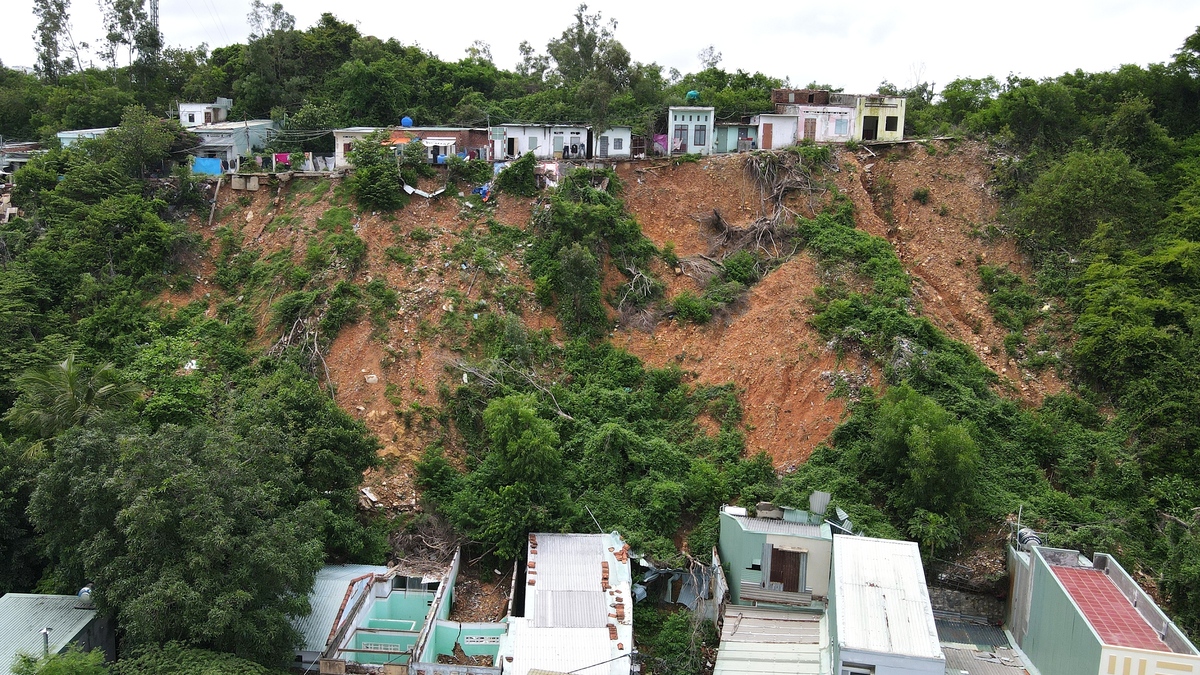
昨年末の豪雨と台風により、この地域では大規模な土砂崩れが発生した。数千立方メートルの土砂や岩石が山腹から流れ落ち、麓の住宅地を直撃。多くの家屋が損壊、あるいは土砂に埋もれた。この災害で完全に倒壊した5軒の家屋の住民は、市当局の支援を受けて、クイニョン・ドン地区の再定住地に移動したが、そこから約1年経った今も、爪痕は生々しく残っている。
一方、移転先が決まっていない52世帯は、依然として土砂崩れの危険が高い地域に居住を続けている。最近の豪雨でも、36歳のリン・ミン・スオンさんは家族と共に避難を余儀なくされた。帰宅後、自宅の壁が崩れ、泥が流れ込んでいるのを発見した。彼女の家族は再定住地への移転が決まったが、新たな家を建てるために借金をしなければならず、完成は10日ほど先になる見込みだ。
55歳のドアン・クアン・トゥアンさんは、かつて自宅の浴室やトイレがあった場所を指さしながら、土砂崩れで倒壊したことを説明した。彼は一時的に簡易なトタン屋根で雨水を防いでいる。65歳で5人の家族と約40平方メートルの家に住むグエン・ティ・レー・トゥイさんは、20年以上この地に住んでいるが、毎年雨季になると土砂崩れの恐怖に怯えている。昨年の台風では、知人の家に避難した。彼女は長年住み慣れた場所を離れたくないと語るが、このままでは毎年のように恐怖と戦うことになる。家族は安定した生活を送れる新たな住居を求めている。
住民たちの背後には、いつ崩れてもおかしくない土砂や岩壁が迫り、前方には100メートル以上の深い谷が広がっている。昨年の土砂災害で泥に埋まった家屋の所有者は新しい場所に移ったが、近隣に住む親族は頻繁に訪れて片付けを行っている。
クイニョン市・クイニョン地区のグエン・ドゥク・トアン委員長は、ヌイモット山周辺の52世帯が土砂崩れの危険にさらされていることを認めた。当局は状況を注視し、住民に異常の兆候が見られた場合は速やかに避難するよう呼びかけている。当面は、悪天候時には住民を地区の事務所などに避難させる計画だが、長期的には、この危険区域の住民52世帯の計画的な移転、立ち退き、再定住を当局に提案している。
情報源: VnExpress
多角的分析
This situation highlights a common challenge in developing economies: the conflict between rapid urbanization and the need for adequate infrastructure and safety measures. The economic cost of repeated landslide damage and potential relocation is significant, impacting local government budgets and potentially diverting resources from other development projects. The delay in resettlement suggests that the financial and logistical capacity to address such issues may be strained, especially when dealing with multiple affected households. The economic burden also falls on the affected families, who may face debt to rebuild or secure new housing.
For investors, this incident underscores the importance of thorough due diligence regarding environmental risks in real estate and infrastructure projects in Vietnam. Areas prone to natural disasters like landslides may present lower initial land acquisition costs but carry significant long-term risks. Investors in construction or property development should factor in the potential for project delays, increased insurance premiums, and the need for robust disaster-resilient design. Furthermore, the government's capacity to manage and mitigate such risks can impact the stability of the investment environment.
The plight of the 52 households in Quy Nhon illustrates the social vulnerability of marginalized communities in disaster-prone areas. For over 20 years, these residents have lived with the constant threat of landslides, their daily lives dictated by the fear of severe weather. The cramped living conditions and narrow access roads exacerbate their precarious situation. The emotional toll of repeated displacement, even temporary, and the uncertainty surrounding permanent relocation create significant stress. The situation also highlights the challenges of balancing long-term residents' attachment to their homes and communities with the imperative of ensuring their safety. The delay in relocation means that the community's social fabric is under strain, with some families already incurring debt to rebuild, further complicating their future.
For citizens like Ba Nguyen Thi Le Thuy, the fear of landslides during the rainy season is a recurring nightmare that dictates their lives. The emotional burden of living with the constant threat, coupled with the uncertainty of relocation, creates immense stress. The desire to remain in familiar surroundings clashes with the fundamental need for safety. For families like Ms. Lam Minh Suong's, the disaster has led to financial hardship, forcing them to take on debt to rebuild, even after being promised relocation. This highlights the immediate impact on their financial well-being and future prospects. The situation underscores the immediate need for timely and effective government intervention to provide secure and stable housing for all affected residents.
AI Expert Roundtable
AI 専門家による深層討論会
※ この議論は記事内容に基づき AI エージェントによって自動生成されたシミュレーションです
背景・歴史的文脈
ベトナム中部沿岸地域は、台風や豪雨による自然災害のリスクが高い。特にクイニョン市のような都市部では、急速な都市化に伴い、開発が山間部や急斜面にまで及ぶことがある。ヌイモット山周辺の住宅地は20年以上前に形成されたが、その後の開発や気候変動による降雨量の増加が、土砂崩れの危険性を高めたと考えられる。過去の類似事例として、ベトナム各地でインフラ整備や住宅開発が自然環境への配慮を欠いたまま進められた結果、災害リスクが増大したケースが報告されている。今回の事態は、開発と防災のバランス、そして住民の安全確保における長期的な課題を浮き彫りにしている。
原文ソース
VnExpress