General articles are free for 24 hours after publish.
Senate Approves School Safety Bill After Fatal Shootings
The Philippine Senate has approved on final reading a bill institutionalizing a comprehensive school safety framework, following a series of fatal school shootings across the country. The measure aims to strengthen safety protocols by consolidating child protection, mental health, and disaster preparedness.
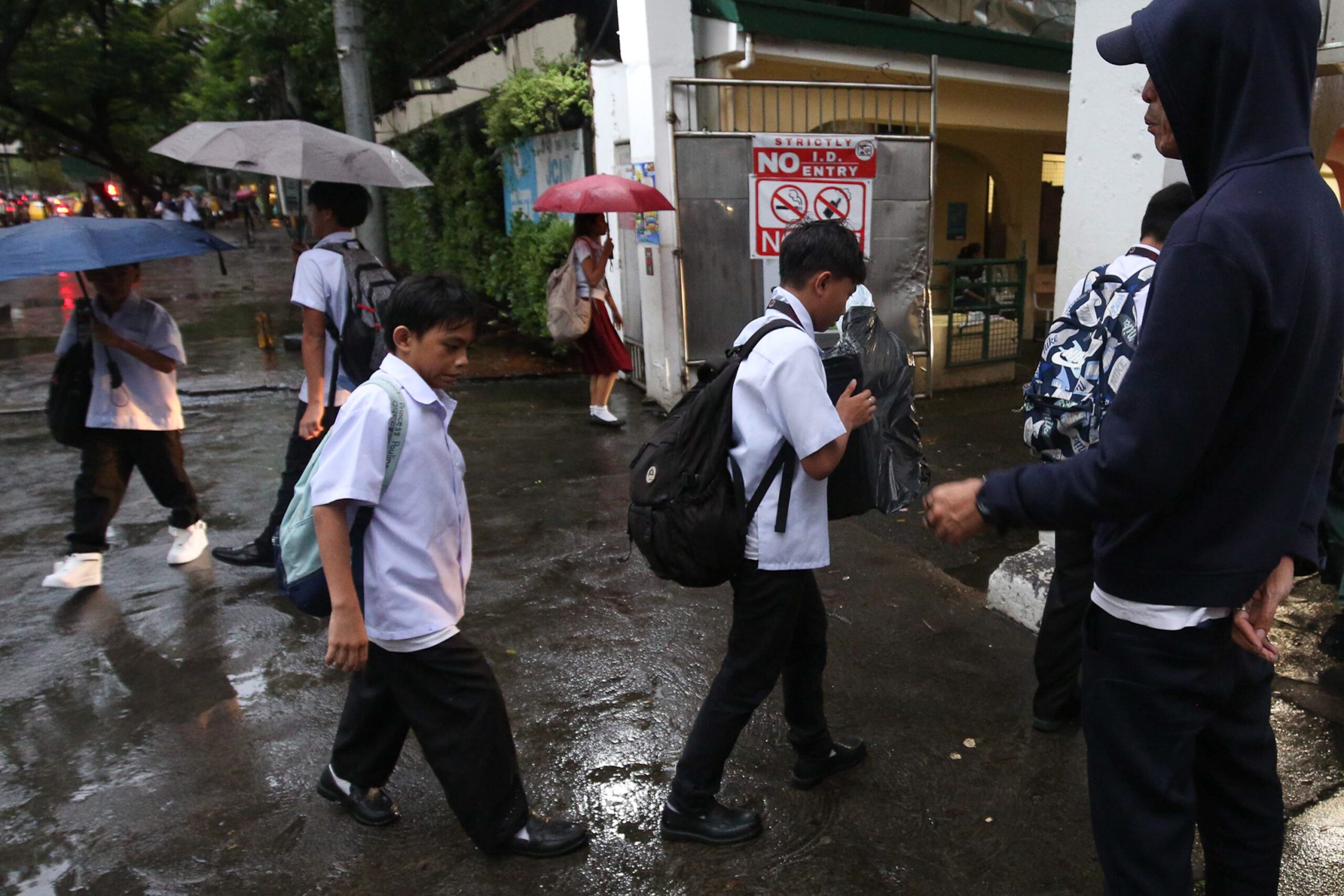
MANILA, Philippines – The Senate on Monday, September 21, approved on third and final reading a bill that institutionalizes a comprehensive school safety framework, following three fatal school shootings that shocked the country in the past months. There were 17 affirmative votes, zero negative votes, and zero abstentions for Senate Bill No. 2426, or the proposed Comprehensive School Safety Act. “Nananawagan tayo sa pamahalaan na madaliin ang pagtiyak na ligtas ang ating mga paaralan at mga komunidad para sa ating mga estudyante at guro,” said Senator Bam Aquino, the bill’s sponsor. (We call on the government to expedite efforts to ensure that our schools and communities are safe for our students and teachers.) Aquino also urged the House of Representatives to pass its version of a school safety bill. “‘Wag tayong masasanay sa ganitong karahasan. ‘Wag natin hayaang maging normal ang school shooting sa ating bansa,” he added. (Let’s not get used to this kind of violence. Let’s not allow school shootings to become normal in our country.) On Friday, September 18, a Grade 9 student opened fire at a public high school in Banga, South Cotabato. Three students, including the alleged perpetrator, were killed, while eight others were injured. It was the third such tragedy following the Tacloban City school shooting in June and another in Zamboanga City in August. According to Aquino, the comprehensive school safety bill consolidates protections under existing child protection, mental health, and disaster policies into a singular operational framework for public and private schools. Must Read Philippines still among top countries in bullying – PISA 2025 What’s in the bill Under the bill, the following acts committed by students or school personnel against other students or school personnel are prohibited: Violence Child abuse Neglect Exploitation Bullying Cyberbullying Online abuse Cybersecurity risks Other forms of digital harm Discrimination Harassment Gender-based violence Corporal punishment Retaliation Primarily, the bill directs the Department of Education (DepEd) to lead a national comprehensive school safety framework, which would set clear crisis protocols, standardizing campus safety infrastructure and screening procedures, and implementing a whole-of-community protection strategy that supports both students and teachers. Schools are expected to develop localized school safety plans, which must be communicated to parents and guardians through annual orientations. The DepEd would be told to establish a national school recovery and support program to help schools heal from incidents concerning safety and student well-being. Under the bill, schools must be equipped with security equipment such as CCTV cameras, metal detectors and other screening equipment, a visitor management system, security personnel, and perimeter fencing and other measures to secure and regulate access to campus grounds. The bill also prohibits both students and teachers from using phones and other digital devices within school premises during class hours. Bag inspections are also mandatory. Such measures are already in place under current DepEd policies. Every two years, the DepEd would be tasked to submit a national school safety report to Congress. Other safety measures Ongoing discussions on school safety in the Philippines have been linked to responsible gun ownership and online influences. On Monday, senators also approved on third and final reading the SAGIP BATA bill, a measure which seeks to strengthen the law on online sexual abuse or exploitation of children and child sexual abuse or exploitation materials. Another Senate bill proposing a social media ban for children 16 years old and below is still pending on second reading. – Rappler.com
Original source
Rappler Philippines