Bukidnon Road Impassable for Months Due to Massive Debris
A critical road network in San Fernando, Bukidnon, connecting to Davao del Norte, is expected to remain impassable for months due to massive debris from a landslide. Efforts to clear the road are proceeding cautiously due to unstable slopes.
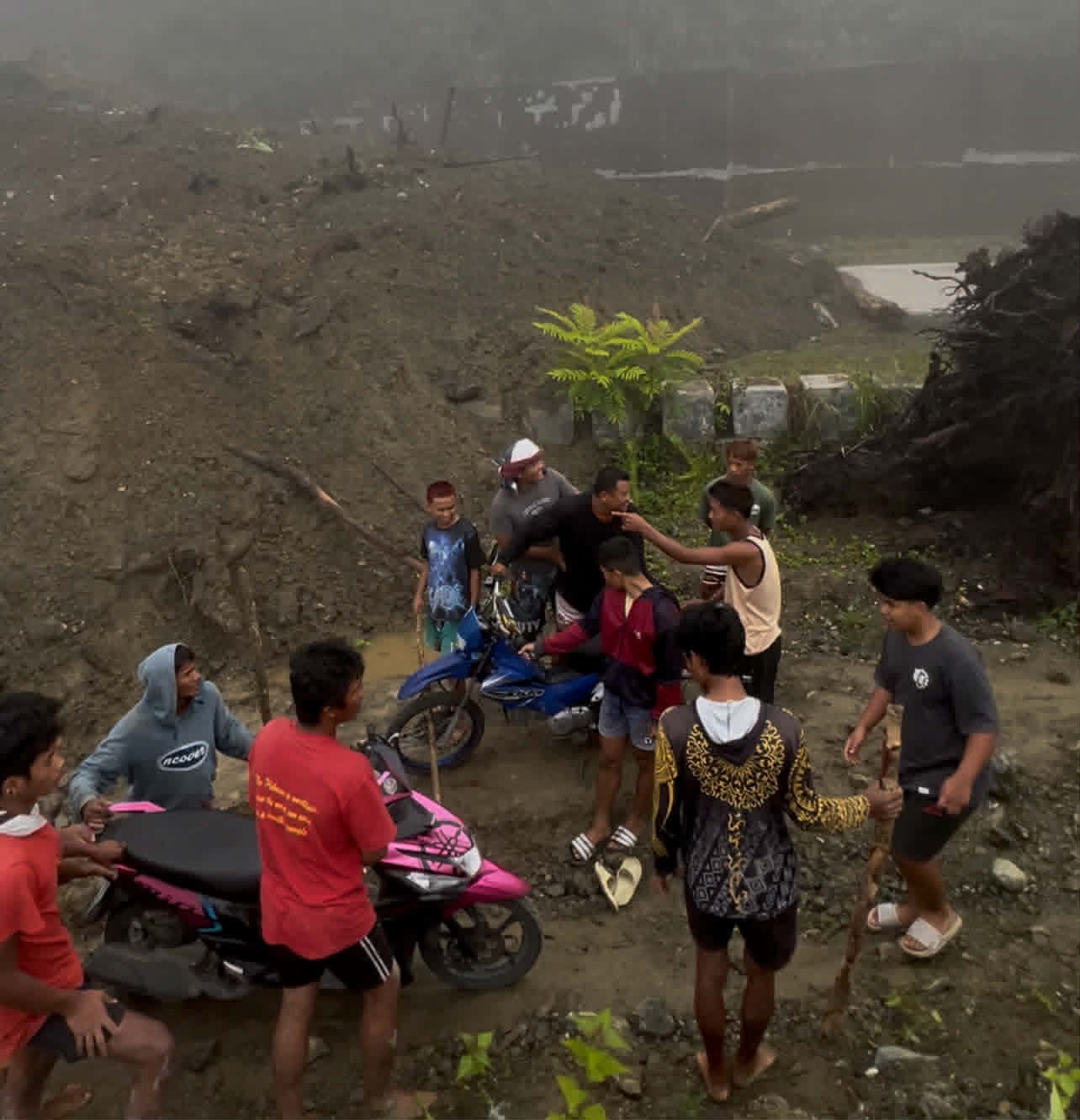
A vital road network in San Fernando, Bukidnon, connecting to neighboring Davao del Norte, is expected to take months to become passable as efforts to remove massive debris are being conducted cautiously due to unstable slopes, a Department of Public Works and Highways (DPWH) official said. Engr. Rainer Valderrama, district maintenance engineer of the DPWH First District Engineering Office in Malaybalay City, said that clearing operations along the landslide-hit Kapalong-Talaingod-Valencia (KTV) road in Sitio Balacayo, Barangay Kalagangan, are expected to take months, with thousands of cubic meters of mud, rocks, trees, and other debris that buried the highway yet to be removed. The massive landslide struck before dawn on July 6 after days of heavy monsoon rains enhanced by the incoming Super Typhoon Inday (international name: Bavi), which entered the Philippine Area of Responsibility on July 8. The landslide cut off the vital KTV road and isolated several hinterland and Indigenous Peoples (IP) communities. Valderrama said clearing operations are progressing cautiously because the slope remains unstable. “We are removing the debris layer by layer because of the unstable slope,” Valderrama told the Inquirer in a phone interview on Sunday. Heavy equipment from DPWH Region 10, the DPWH First District Engineering Office, and the San Fernando local government have been deployed to clear debris and reopen the road. A DPWH Region 10 geologist, Ely Daniel Camillio, inspected the site on July 11 and found that prolonged rainfall had saturated the soil, according to Valderrama. Valderrama added that seismic activities may also have contributed to the slope failure. Tree-cutting operations are ongoing in the upper portion of the landslide to prevent additional debris from falling on personnel and heavy equipment below. Crews continue clearing the estimated 200-meter slide in a bid to establish full access across the blocked section. Residents have opened a temporary footpath through a community ‘bayanihan’’ effort to allow pedestrians to cross even as authorities continue to warn the public against unnecessary travel in the area. The road closure has disrupted daily life in nearby IP communities. Jei Capao, a 27-year-old Matigsalug teacher assigned to Panuluanan te Masalugpok, an Indigenous Peoples school in Sitio Masalugpok, said teachers have been unable to report to their assigned school since the landslide. “The road is extremely difficult to pass. We cannot reach our school, and our pupils’ education has been affected,” Capao said. Teachers have temporarily been reporting to Cabuling Elementary School while access to the IP school remains blocked. Capao said residents who rely on motorcycles must pay P200 to have their units manually carried across the landslide area. He added that farmers are also struggling as the road closure has increased transportation costs for agricultural produce and disrupted the delivery of food, fuel, and other essential goods. Capao appealed to the government to expedite the clearing and rehabilitation of the road, saying its reopening is critical to restoring access to education, markets, health services, and other basic needs for affected communities.
多角的分析
今回の土砂崩れによるKTV道路の長期閉鎖は、ブキドノン州およびダバオ・デル・ノルテ州の地域経済に深刻な影響を与えています。特に、農業生産物の輸送コストの増加と、食料や燃料などの必需品の供給遅延は、物価上昇を招き、農家や地域住民の生活を圧迫する可能性があります。過去の同様のインフラ被害事例では、復旧期間中の経済活動の停滞が、地域GDPの低下に繋がったケースも少なくありません。迅速な復旧と代替輸送手段の確保が、経済的打撃を最小限に抑える鍵となります。
このインシデントは、フィリピンのインフラの脆弱性、特に自然災害に対する脆弱性を浮き彫りにしています。投資家にとっては、インフラ関連プロジェクトへの投資リスクを再評価する契機となる可能性があります。DPWHのような政府機関の対応能力や、災害復旧への投資の優先順位が、今後の投資判断に影響を与えるでしょう。また、サプライチェーンの寸断リスクを考慮し、より強靭な物流網を持つ地域や、代替輸送手段が確保しやすい企業への投資が、相対的に魅力的になるかもしれません。
土砂崩れにより、ブキドノン州の先住民コミュニティは教育、医療、市場へのアクセスを失い、日常生活が深刻に脅かされています。教師が学校に通えない状況は、子供たちの教育機会の喪失に直結します。また、農産物の輸送が困難になることで、農家の生計が脅かされ、食料供給の不安定化も懸念されます。住民が自ら歩道を設ける「バヤニハン」は、コミュニティの結束を示す一方で、公的支援の必要性を強く示唆しています。特に、孤立した先住民コミュニティへの支援の迅速化が求められています。
今回の土砂崩れは、フィリピンの地方におけるインフラの脆弱性と、それが地域住民の生活に与える直接的な影響を浮き彫りにしています。KTV道路のような主要な交通網が寸断されると、食料品や燃料といった生活必需品の供給が滞り、価格の上昇を招きます。また、教育や医療サービスへのアクセスも困難になり、特に子供たちや高齢者の生活に大きな影響が出ます。住民が自ら歩道を設ける「バヤニハン」は、コミュニティの連帯感を示す一方で、政府による迅速かつ効果的なインフラ復旧の必要性を痛感させています。過去の同様の災害でも、復旧の遅れが住民生活を長期にわたって苦しめる例が多く見られます。
背景・歴史的文脈
フィリピンは、太平洋「火の輪」上に位置し、台風や地震などの自然災害が多い国です。特に、モンスーン期には激しい雨が頻繁に発生し、土砂崩れのリスクが高まります。過去にも、2013年のスーパースタイフーン・ヨランダ(ハイエン)による甚大な被害や、度重なるインフラ寸断事例は、フィリピンのインフラが自然災害に対して脆弱であることを示しています。今回のKTV道路の土砂崩れは、こうした構造的な問題の再発であり、災害への脆弱性と、それに対する政府の対応能力、そして地域コミュニティへの影響という、フィリピンが抱える課題を改めて浮き彫りにしています。
原文ソース
Inquirer NewsInfo