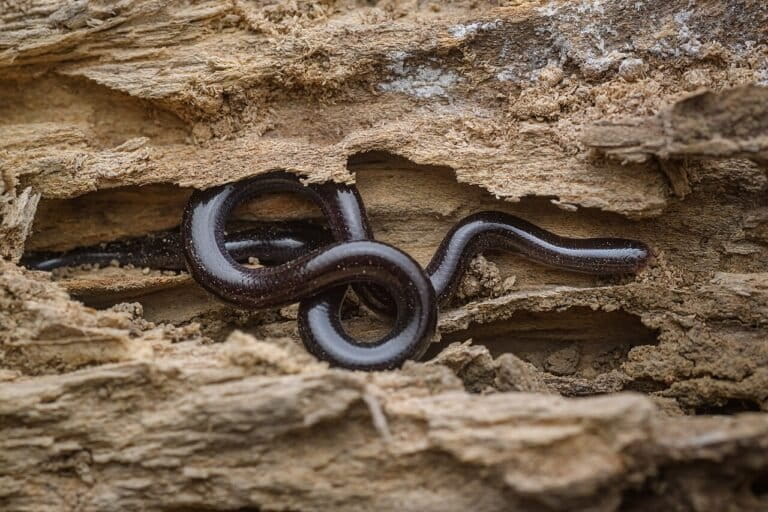
Indonesia's Unique 'All-Female Snake' Reproduces Through Parthenogenesis
The Brahmin blind snake (Indotyphlops braminus), found in Indonesia and globally, is the only known snake species where the entire population consists of females, reproducing through obligate parthenogenesis. This non-venomous snake poses no threat to humans.
The Brahmin blind snake (Indotyphlops braminus), found in Indonesia and across the globe, stands out among approximately 3,900 identified snake species worldwide as the sole species where the entire population consists of females, reproducing through obligate parthenogenesis. This unique reproductive strategy means that eggs develop into new individuals without fertilization by a male. This small, subterranean snake is often mistaken for an earthworm by those unfamiliar with it. Its adaptation to underground life is evident in its morphology. The most remarkable aspect is its reproductive method: mature females lay eggs that develop into new individuals without any male involvement, essentially creating genetic copies of the mother. Recent genomic studies published in the journal 'Scientific Data' have confirmed its status as the only snake species known to rely entirely on obligate parthenogenesis. Researchers compiled the first draft genome of Indotyphlops braminus, reinforcing its unique reproductive biology. No male individuals of this species have ever been found, either in the wild or in captivity. The Brahmin blind snake is non-venomous and lacks teeth large enough to harm human skin, posing no threat to people. It belongs to the primitive snake group Scolecophidia, and its genome sequencing is one of the few detailed analyses available for this group. Source: Mongabay Indonesia
多角的分析
ブラミンヘビの経済的影響は直接的には限定的ですが、そのユニークな生殖メカニズムは、生物多様性研究や遺伝子工学分野における潜在的な応用可能性を示唆します。例えば、単為生殖を利用した生物学的研究や、特定の遺伝子特性を持つ生物の効率的な繁殖方法の開発につながるかもしれません。これは、将来的なバイオテクノロジー産業における新たな研究開発の糸口となる可能性があります。
ブラミンヘビ自体に直接的な投資対象となる経済的価値は現時点では見出されませんが、その特異な生物学的特性は、バイオテクノロジーや生命科学分野への間接的な投資関心を喚起する可能性があります。特に、遺伝子研究や生殖技術開発に関心を持つ投資家にとって、この種の存在は新たな研究テーマや技術シーズの発見につながるかもしれません。
ブラミンヘビは人間に無害であるため、直接的な社会的不安を引き起こすことはありません。しかし、そのユニークな生殖方法は、生物の多様性や自然界の神秘に対する人々の関心を高める可能性があります。また、この種の発見や研究は、科学教育の教材としても活用され、子供たちの科学への興味を育む一助となるでしょう。
インドネシアの市民にとって、ブラミンヘビは身近な存在でありながらも、そのユニークな生態は驚きをもたらします。無害であることから、特に懸念はありませんが、土壌に生息する小さな生き物への関心や、自然の多様性について考えるきっかけとなるでしょう。子供たちが学校でこのヘビについて学ぶ機会があれば、科学への興味を深めるかもしれません。
背景・歴史的文脈
ブラミンヘビ(Indotyphlops braminus)の単為生殖は、約1億年前の白亜紀に、おそらく他の種との交雑によって生じたと考えられています。この交雑により、本来は二倍体であるべき個体が三倍体となり、その後の進化の過程で雄が不要な単為生殖へと特化していったと推測されています。この現象は、遺伝学的な「全倍数性(polyploidy)」の進化的な一例として注目されています。地球規模での分布は、人間の活動による移入が大きく関与していると考えられており、特に熱帯・亜熱帯地域で広く見られます。
原文ソース
Mongabay Indonesia