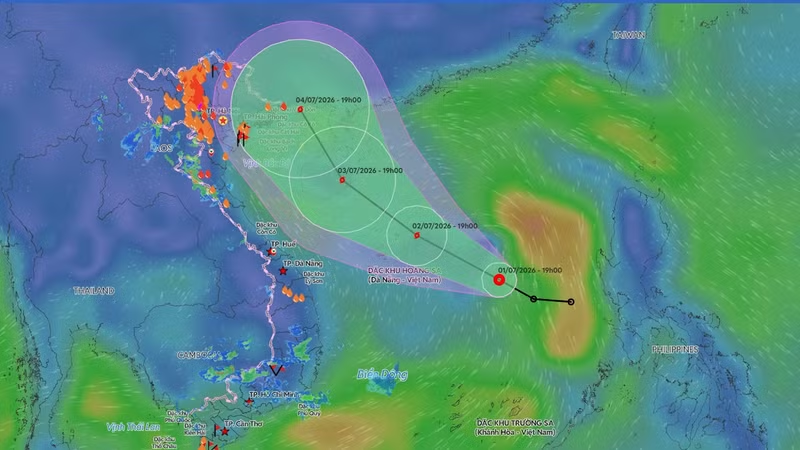
Vietnam Coast on Alert as Tropical Low Pressure System Intensifies
Environment
2026年7月2日
3
Nhan Dan

Vietnam Coast on Alert as Tropical Low Pressure System Intensifies

AI サマリー

Vietnam's coastal provinces are on high alert as a tropical low pressure system shows potential to develop into a typhoon. The National Steering Committee for Natural Disaster Prevention and Control has directed swift responses across coastal areas.

Vietnam's coastal provinces are on high alert as a tropical low pressure system shows potential to develop into a typhoon. The National Steering Committee for Natural Disaster Prevention and Control has issued an urgent directive to coastal cities from Quang Ninh to Khanh Hoa and relevant ministries and agencies to proactively respond to the tropical low pressure system and potential typhoon in the East Sea. The tropical low pressure system is forecast to bring strong winds, high waves, and thunderstorms to the East Sea, posing a potential significant impact on coastal areas. The Vietnamese government is prioritizing early warning systems and swift evacuation plans. Vietnam, due to its geographical location, is annually affected by typhoons and tropical low pressure systems, with concerns for infrastructure damage and impacts on the fishing industry, particularly in coastal regions. The response to this tropical low pressure system is part of Vietnam's ongoing efforts to overcome its vulnerability to climate change-induced natural disasters and ensure the safety of its citizens.

多角的分析

経済的影響

熱帯低気圧の接近は、ベトナムの沿岸経済に直接的な影響を与える。特に漁業は、高波や強風により操業が制限され、水産物の供給に影響が出る可能性がある。また、沿岸部のインフラ、例えば港湾施設や道路網が被害を受ければ、物流コストの増加やサプライチェーンの寸断につながり、経済活動全体に波及する。政府による迅速な被害軽減策と復旧計画は、経済的損失を最小限に抑える上で極めて重要となる。

投資家心理

投資家にとって、熱帯低気圧の接近は短期的なリスク要因となる。沿岸部のインフラ、特に港湾や物流関連施設への被害懸念は、関連企業の株価に一時的な下落圧力をもたらす可能性がある。しかし、ベトナム政府の迅速な対応と、インフラ復旧への投資は、長期的な成長見通しには大きな影響を与えないと考えられる。むしろ、災害対策やインフラ強靭化への投資機会と捉えることもできる。

社会的影響

熱帯低気圧の接近は、沿岸地域に住む住民、特に漁業従事者や低地の住民に直接的な脅威をもたらす。避難指示や、自宅・財産の被害への不安は、地域社会の生活に大きな影響を与える。また、インフラ被害による通信網や電力供給の遮断は、日常生活の混乱を招く。政府による効果的な避難誘導と、被災者への迅速な支援は、社会的な安定を維持するために不可欠である。

市民の声

沿岸部の住民、特に漁師や沿岸地域に住む人々は、生活基盤そのものが脅かされる。漁業は彼らの主要な収入源であり、操業不能となれば収入が途絶える。また、自宅が浸水したり、強風で損壊したりするリスクは、家族の安全への直接的な懸念となる。政府からの正確な情報提供と、迅速な避難指示、そして事後の生活再建支援が、住民の不安を軽減し、生活の安定を取り戻す鍵となる。

背景・歴史的文脈

ベトナムは、南シナ海(ベトナムでは東シナ海と呼称)に面し、熱帯低気圧や台風の通り道に位置している。特に毎年、秋から冬にかけては、これらの気象現象による被害が頻発する。過去には、2017年の台風12号(ダマス)や2020年の台風9号(モーラコー)などが甚大な被害をもたらし、インフラの損壊、農作物への被害、そして人命に関わる事故が発生している。これらの経験から、ベトナム政府は防災・減災体制の強化に努めており、国家市民防衛指導委員会などが中心となり、早期警戒システムの整備や避難計画の策定、国民への啓発活動を継続的に行っている。

原文ソース

Nhan Dan

原文を読む