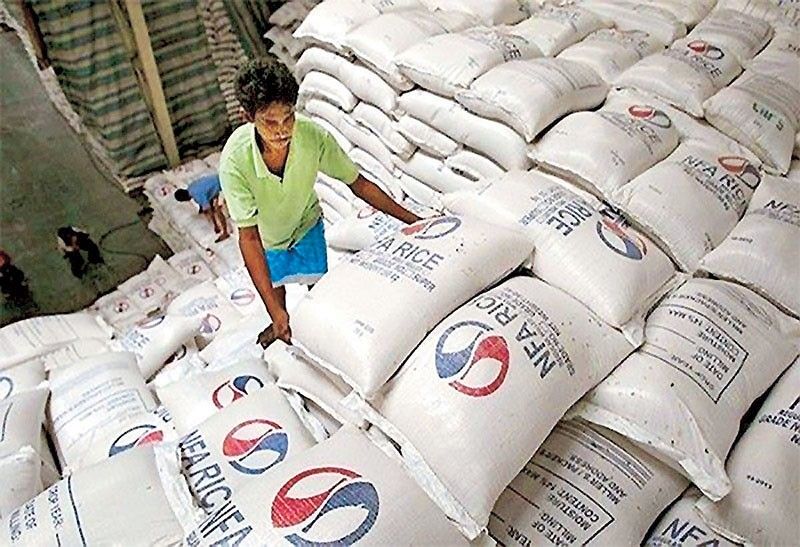
Japan Funds P124M Upgrade for NFA Grain Testing Systems
The Philippines' National Food Authority (NFA) will receive P124 million in funding from the Japanese government to upgrade its grain quality testing systems, a move expected to reduce post-harvest losses and bolster food security.
MANILA, Philippines — The National Food Authority (NFA) will receive P124 million in funding from the Japanese government to fund upgrades for its grain quality testing systems, a move that could help reduce post-harvest losses. A total of P184.2 million will be allocated toward the system upgrades, with the Japan International Cooperation Agency (JICA) granting P124.4 million and the Philippine government shouldering the remaining P59.8 million. The three-year program, from 2026 to 2028, will modernize the NFA’s capacity in grain post-harvest processing through the upgraded Product Quality Evaluation System (PQuEST). The initiative is set to upgrade the laboratory facilities of the NFA Central office, along with regional laboratories in Cagayan Valley, Western Visayas and Davao Region. The facilities will be equipped with new testing instruments, while existing grain quality assessment protocols will be overhauled. The agency will also develop new testing standards and operating manuals for 22 laboratory equipment units. The project will also strengthen the screening of varietal grain strains and develop more suitable grain-handling and evaluation technologies. NFA technical personnel will also undergo local and overseas training, through specialized courses in Japan focused on rice quality assessment and in Thailand for corn testing technologies. The agency said the training programs would be shared throughout branch offices nationwide to support standardized grain quality evaluation. Agriculture Secretary Francisco Tiu Laurel Jr. said strengthening the NFA’s testing capabilities will allow more accurate quality assessment and improve the country’s food security program. “By modernizing the NFA’s laboratories and adopting science-based testing systems, we are equipping the agency with better tools to protect grain quality, support sound policymaking and enhance the competitiveness of our agriculture sector,” he added. Source: Philstar Business
多角的分析
この度のNFAの検査システム刷新は、フィリピンの農業セクターにおける収穫後損失の削減に直結し、食料供給の安定化に貢献する。JICAからの資金援助は、最新技術導入のハードルを下げる一方で、フィリピン政府の負担額(5980万ペソ)は、国内予算の配分と優先順位を示す指標となりうる。長期的に見れば、穀物品質の向上は輸出競争力の強化や農家所得の安定につながり、国内経済への波及効果が期待される。特に、食料価格の安定はインフレ抑制にも寄与する可能性がある。
投資家にとって、このNFAのシステム強化は、フィリピンの農業インフラへの間接的な信頼性向上と見なせる。穀物品質の標準化と損失削減は、サプライチェーン全体の効率化を示唆し、食品加工業や関連産業への投資リスクを低減させる可能性がある。また、日本からの支援という事実は、フィリピンの農業分野における国際的な連携の強さを示しており、これは長期的な経済安定性へのポジティブなシグナルとなりうる。
NFAの検査システム刷新は、農村部で働く多くの小規模農家にとって、収穫物の適正な評価と、それに基づく適正な価格での取引機会の増加につながる可能性がある。また、研修を受けた技術者が全国に知識を共有することで、地域間の品質格差が縮小し、より公平な市場アクセスが期待される。一方で、最新技術の導入とそれに伴う既存の作業プロセスの変更は、現場の作業員への十分なトレーニングと、変化への適応支援が不可欠となる。例えば、ダバオ地域のような主要な農業生産地では、新しい検査機器の操作習得が、生産者組合のメンバーにとって新たな課題となるかもしれない。
このNFAの検査システム刷新は、フィリピン国民の食卓に直接影響を与える可能性がある。収穫後損失の削減は、食料供給の安定化と、潜在的な食料価格の抑制に寄与すると考えられる。特に、米やトウモロコシといった主要穀物の品質が向上すれば、より安全で質の高い食品が市場に出回ることになり、国民の健康増進にもつながる。例えば、マニラ首都圏の市場で、これまで以上に品質が均一で、価格変動が少ない穀物が流通することが期待される。
背景・歴史的文脈
フィリピンは、人口増加と気候変動の影響により、食料安全保障が常に課題となっている。特に、米やトウモロコシなどの主要穀物の国内生産は、収穫後の品質管理の不備や、病害虫、自然災害による損失が大きい。過去、NFAは穀物価格の安定化や備蓄米の管理を担ってきたが、その検査・評価能力の近代化は長年の課題であった。日本は、フィリピンの農業開発支援において長年の実績を持ち、過去にもJICAを通じて技術協力やインフラ整備支援を行ってきた。今回の資金援助は、こうした継続的な関係性の中で、より高度な技術導入と人材育成に焦点を当てたものと言える。
原文ソース
Philstar Business