Bishop Warns 'Me First' Culture Fuels Corruption
Culture
2026年6月29日
5
Interaksyon Politics

Bishop Warns 'Me First' Culture Fuels Corruption

AI サマリー

A Catholic bishop has warned that a 'me first' culture among leaders, prioritizing personal gain over the common good, is the root of corruption in the Philippines. Speaking at the White Ribbon March, he urged officials to serve citizens, emphasizing genuine love as the antidote to corruption.

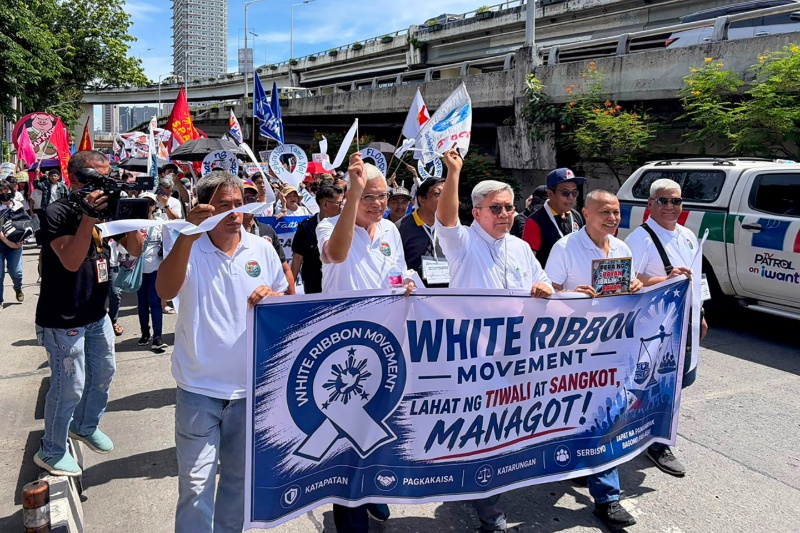
A Catholic bishop has warned that a "me first" culture among elected officials is the root of corruption, as it breeds self-interest over the common good. Speaking during a Mass at the EDSA Shrine before the White Ribbon March, Bishop Jose Colin Bagaforo stated that while poverty and lack of opportunities contribute to social problems, self-centeredness is the deeper moral cause of corruption. "When a person only thinks of themselves, their interests, power, and benefits, concern for others gradually disappears," Bagaforo said in his homily. "When 'I' becomes the center of everything, the problems begin." Bagaforo, also a convenor of the Inter-Religious Leaders’ Council for National Transformation, emphasized that elected officials are entrusted with public office to serve citizens, not to wield power for personal gain. He noted that corruption thrives when leaders focus on personal interests, influence, and wealth instead of serving the populace and safeguarding public resources. "Leaders are elected and trusted to serve the people. Our elected officials are here not to rule, but to serve," the bishop stated. The White Ribbon March, an interfaith initiative, calls for stronger measures against corruption and political dynasties. Following the Mass, thousands of demonstrators marched along EDSA to the People Power Monument despite the intense heat. Similar rallies and solidarity marches were also held in several dioceses across the country. Bagaforo argued that honesty alone is insufficient to combat corruption, asserting that genuine love for others must guide public service and accountability. "The opposite of corruption is not just honesty. It is love. A person who truly loves will not steal from their neighbor."

多角的分析

経済的影響

フィリピンにおける汚職は、経済成長の阻害要因として長年指摘されている。公共事業や許認可における不正は、投資コストを増加させ、国内および海外からの投資意欲を減退させる。また、税収の流出は、教育、医療、インフラといった公共サービスの質を低下させ、国民の生活水準向上を妨げる。特に、資源配分における非効率性は、貧困層への支援を歪め、経済格差を拡大させる傾向にある。司教の指摘する「自己中心的文化」は、こうした経済的非効率性の根源にある倫理的課題を示唆している。

投資家心理

フィリピンへの投資を検討する投資家にとって、汚職は依然として主要なリスク要因である。入札プロセスにおける不透明性、賄賂の要求、そして予測不能な規制変更は、事業運営の安定性を損なう。特に、インフラ開発や資源関連産業では、こうしたリスクが顕著になる傾向がある。白色リボン行進のような汚職撲滅運動は、社会的な関心の高まりを示す一方で、それが具体的な制度改革や法執行の強化に繋がるかどうかが、投資判断における重要な鍵となる。長期的な視点では、透明性と説明責任の向上こそが、持続的な投資環境の構築に不可欠である。

社会的影響

バガフォロ司教が指摘する「自己中心的文化」は、フィリピン社会における根深い課題である。公職者が私利私欲を優先する姿勢は、市民の政治への信頼を損ない、社会全体の倫理観の低下を招く。白色リボン行進のような集会は、こうした現状に対する市民の不満と、変革への希求の表れである。特に、教育機会の不均等や貧困といった社会問題が、汚職を助長する背景となっている。マニラ首都圏の交通渋滞や、地方におけるインフラ不足といった具体的な生活上の摩擦も、資源の不適切な配分や汚職によって悪化している側面があり、市民は日々の生活の中でその影響を実感している。

市民の声

フィリピン市民にとって、指導者の汚職は生活の質に直接的な影響を与える。公共サービスの質の低下、医療や教育へのアクセス制限、そして不公平な富の分配は、多くの国民、特に貧困層を苦しめている。白色リボン行進のような活動は、こうした不満を表明し、より公正な社会を求める市民の声の代弁である。しかし、多くの市民は、こうした運動が具体的な変化につながるかについて懐疑的な見方も持っている。日々の生活の中で、指導者の行動が自分たちの将来や子供たちの機会にどう影響するかを懸念している。

背景・歴史的文脈

フィリピンにおける汚職問題は、長年にわたり国民の大きな関心事であり続けている。マルコス政権時代の巨額の不正蓄財疑惑から、その後の政権下でも度々汚職スキャンダルが表面化してきた。政治的世襲も、一部の有力な政治家一族が権力と富を独占する構造を生み出し、汚職の温床となっているとの指摘がある。白色リボン行進のような市民運動は、こうした構造的な問題に対し、倫理的・道徳的な観点から異議を唱え、変革を求める声として定期的に現れている。しかし、政治的・経済的な利権構造の強固さから、根本的な解決には至っていないのが現状である。

原文ソース

Interaksyon Politics

原文を読む