Hanoi to Translate Master Plan Vision into Tangible Development Projects
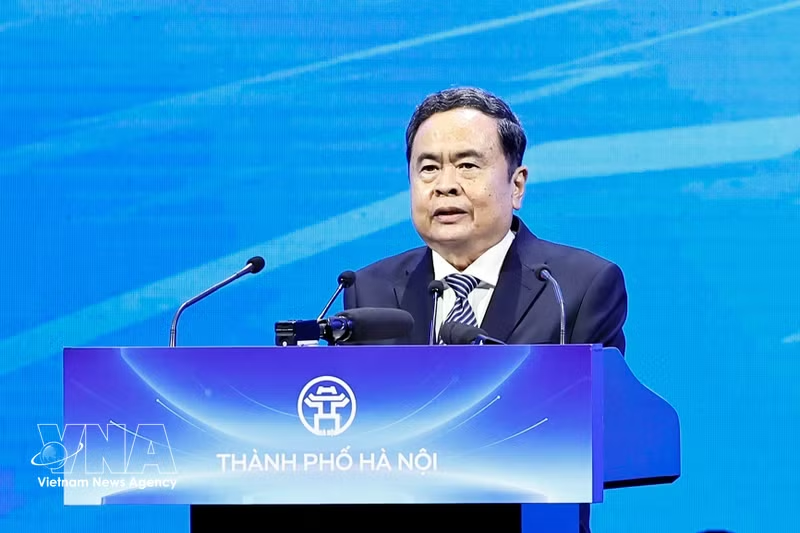
Vietnam's National Assembly Chairman urged Hanoi to translate its master plan into concrete development projects, emphasizing it as a strong commitment to implement Party resolutions and a vision for long-term development.
National Assembly Chairman Vuong Dinh Hue described the publication of Hanoi's master plan as more than just a development blueprint. He stated it sends a strong message of action and demonstrates the city's determination to translate the resolutions of the 14th National Party Congress and the 18th Hanoi Party Congress into reality, in line with Party General Secretary and State President To Lam’s directive that “Hanoi must do what it commits to do, do it quickly, correctly, effectively and thoroughly.” The master plan outlines a new investment blueprint for Hanoi with a century-long development vision. Specifically, the city aims to accelerate urban development with five rail lines and three housing projects. These initiatives are crucial steps to foster Hanoi's sustainable and comprehensive growth and improve the quality of life for its residents. The implementation of this master plan highlights Vietnam's challenges in balancing economic growth and social development under its one-party system, as well as the capacity of local governments to execute plans. Hanoi is also scheduled to hold an investment promotion event on June 29, aiming to attract domestic and foreign investment and secure funding for concrete projects to realize the master plan. This is part of Vietnam's ongoing efforts to attract foreign direct investment (FDI) that drives the nation's economic growth, with its importance increasing in major cities like Hanoi, which are undergoing rapid urbanization and infrastructure development. Source: VietnamPlus English
多角的分析
ハノイのマスタープランは、都市インフラへの大規模投資を伴う経済成長戦略の具体化を意味する。鉄道網の拡充や住宅開発は、建設業、不動産業、関連サービス業に波及効果をもたらし、雇用創出と内需拡大に寄与すると考えられる。しかし、これらの大型プロジェクトは巨額の資金を必要とするため、公的資金の調達能力、民間投資の誘致、そしてプロジェクトの効率的な実行が経済効果を最大化する鍵となる。ベトナム経済は依然として輸出主導型であり、国内需要の喚起は重要な課題であり、このマスタープランはその一助となる可能性がある。
このマスタープランは、ハノイにおけるインフラおよび不動産セクターへの投資機会を示唆している。特に、鉄道網の整備は公共交通機関の利便性を向上させ、沿線開発や不動産価値の上昇につながる可能性がある。住宅プロジェクトは、増加する都市人口と中間層の需要に応えるものとして、投資家の関心を集めるだろう。しかし、ベトナムの投資環境は、法規制の変更リスクや、プロジェクトの実行における潜在的な遅延リスクも伴うため、投資家は慎重なデューデリジェンスが求められる。投資促進イベントは、具体的な投資案件の開示や、政府との関係構築の機会となるだろう。
マスタープランの実行は、ハノイ市民の生活に直接的な影響を与える。鉄道網の整備は通勤時間の短縮や交通渋滞の緩和に貢献し、住宅プロジェクトは住居環境の改善につながる可能性がある。一方で、大規模開発は土地収用や移転を伴う可能性があり、地域住民との間で摩擦が生じることも考えられる。また、都市化の進展は、伝統的なコミュニティの変容や、新たな社会問題(例:住宅価格の高騰、インフラ整備の遅れによる生活水準への影響)を引き起こす可能性もある。市民の生活の質向上と、開発に伴う社会的影響の緩和策が重要となる。
マスタープランの具体化は、ハノイ市民の日常生活に大きな変化をもたらす。例えば、新しい鉄道線が開通すれば、これまで長時間かかっていた通勤が短縮され、仕事やプライベートの時間をより有効に使えるようになるだろう。また、都市部での住宅不足は深刻な問題であり、新たな住宅プロジェクトは多くの市民にとって住居問題の解決に繋がる可能性がある。しかし、開発地域に住む人々は、移転を余儀なくされたり、生活環境が大きく変わったりする可能性も否定できない。開発の恩恵が、一部の市民だけでなく、広く行き渡るかが問われる。
背景・歴史的文脈
ベトナムは、1986年のドイモイ(刷新)政策以降、市場経済化を進め、急速な経済成長を遂げてきた。特に、ホーチミン市とハノイ市は、経済成長と都市化の中心地として、インフラ整備と都市開発が喫緊の課題となっている。ハノイ市のマスタープランは、こうした背景のもと、長期的な視点に立った都市開発と経済成長の青写真を描くものであり、ベトナム共産党の指導の下、国家発展戦略と連動して策定・実行される。中国との経済的結びつきが強いベトナムは、経済の安定と多様化を図るため、国内インフラの強化と投資環境の整備を重視している。
原文ソース
VietnamPlus English