Vietnam Advances Digital Transformation for Enhanced Public Services
The Vietnamese government has unveiled a comprehensive action plan focusing on digitizing administrative procedures, strengthening data-driven governance, and protecting citizens' digital rights. This initiative is part of the national strategy to achieve sustainable growth and improve the quality of life for its people.
Vietnam is strengthening its national strategy to improve the quality of life and promote sustainable growth, as the country enters a new stage of development. This initiative is spearheaded by General Secretary of the Communist Party of Vietnam Central Committee and State President To Lam, and Prime Minister Le Minh Hung. At the core of this strategy is an accelerated shift to data-driven governance. This involves reducing paperwork, streamlining administrative procedures, and expanding the use of shared digital platforms and integrated data across government agencies. Cybersecurity enhancement is also a key component. Protecting citizens' digital rights is another significant pillar. Individuals will have the right to control the use of their personal data, access digital services, and receive legal protection in the digital environment. This aims to adapt citizen rights to the digital age. Furthermore, Vietnam has launched an action program to develop Hanoi in the new era, leveraging innovation, green and digital transformation, and the circular economy to drive sustainable growth and strengthen the capital’s competitiveness. This plan emphasizes placing people at the heart of development. These efforts are linked to broader political and administrative goals of translating socialist objectives into practical grassroots governance and developing a modern, transparent, efficient, and service-oriented local administration. The government has prioritized achieving rapid growth in tandem with sustainability, better governance, and an improved quality of life. The ongoing reorganization of administrative units is expected to create new development space for localities, encourage innovation, and provide new momentum for faster and more sustainable growth. Through digitalization and administrative reforms, Vietnam aims to build a better future, focusing on enhancing the lives of its citizens.
多角的分析
ベトナム政府は、デジタル変革とデータ駆動型ガバナンスの推進を通じて、経済の効率性と透明性を向上させることを目指している。これは、行政手続きの簡素化、官僚主義の削減、そして最終的にはビジネス環境の改善につながる可能性がある。しかし、デジタルインフラの整備、サイバーセキュリティ対策、そして国民へのデジタルリテラシー教育の普及が、この変革の成功の鍵となる。特に、循環型経済やグリーン・デジタル変革への注力は、持続可能な経済成長モデルへの移行を示唆しており、これは国際的な環境基準への適合と、新たな産業分野の育成を促す可能性がある。
今回の発表は、ベトナムの投資環境におけるデジタル化と効率化への期待を高めるものと言える。行政手続きの迅速化や透明性の向上は、外国からの直接投資(FDI)を誘致する上で重要な要素となる。特に、ハノイを始めとする主要都市でのイノベーション、グリーン・デジタル変革への注力は、テクノロジー関連企業や持続可能なビジネスモデルを持つ企業にとって魅力的な投資機会を提供する可能性がある。しかし、サイバーセキュリティリスクへの懸念や、デジタルインフラの地域間格差は、投資家が慎重に評価すべき点である。
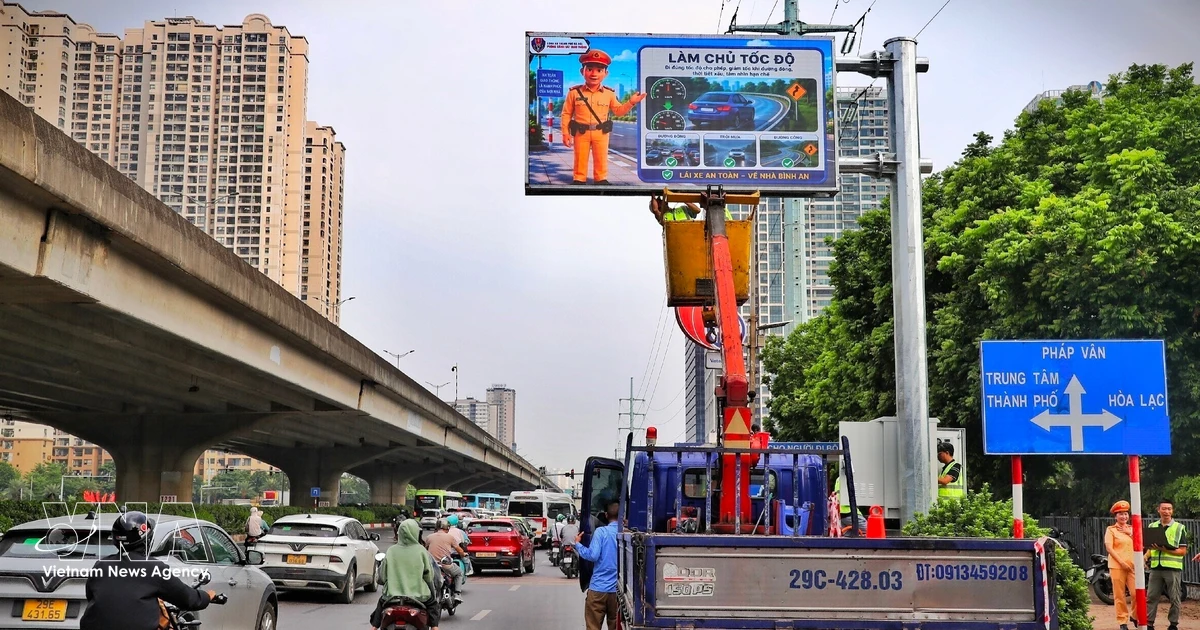
ベトナム政府によるデジタル化推進は、国民の生活に直接的な影響を与える。行政サービスへのアクセスが容易になり、個人データの保護が強化されることは、市民の利便性と安全性を向上させる。しかし、デジタルデバイド(情報格差)の拡大が懸念される。特に高齢者や地方の住民など、デジタルリテラシーが低い層が取り残されるリスクがある。また、データプライバシーに関する国民の権利保護が、実質的にどこまで保証されるかは、今後の法制度の運用と監視にかかっている。公共の場での情報提供(例: 交通情報)のデジタル化も進むことで、市民生活の質の向上に寄与すると考えられる。
今回の政府の発表は、ベトナム国民にとって、行政サービスへのアクセスがより容易になることを意味する。例えば、個人データの管理権やデジタルサービスへのアクセス権の保障は、デジタル時代における市民の権利を強化するものだ。しかし、デジタル化の恩恵を享受できる層とそうでない層との間に、新たな格差が生じる可能性も否定できない。特に、地方や高齢者など、デジタル技術へのアクセスやリテラシーが低い人々が、行政サービスから疎外されないような配慮が求められる。ハノイでの交通情報システムの導入は、都市部住民の日常生活の利便性を向上させる一例となるだろう。
背景・歴史的文脈
ベトナムは、1986年のドイモイ(刷新)政策以降、市場経済化を進め、急速な経済成長を遂げてきた。この成長は、製造業の発展と対外直接投資(FDI)の誘致に支えられてきたが、同時に、行政の効率化、汚職対策、そして国民生活の質の向上といった課題も浮上している。共産党による一党体制の下、政府は「社会主義的市場経済」の枠組みの中で、経済成長と社会福祉のバランスを取ることを目指しており、デジタル変革は、これらの目標達成のための重要な手段と位置づけられている。特に、近年では、国民のデジタルリテラシー向上と、行政サービスのデジタル化が、国家の競争力強化と国民生活の利便性向上に不可欠であるとの認識が広まっている。
原文ソース
VietnamPlus English