General articles are free for 24 hours after publish.
Cambodia Urges Youth to Combat Disinformation with Enhanced Media Literacy
Cambodia's Ministry of Information has urged young people to enhance their media literacy and critical thinking to counter disinformation and psychological warfare. The ministry emphasized verifying information sources, particularly concerning border issues, and promoted the '3 Don'ts, 1 Protect' principle.
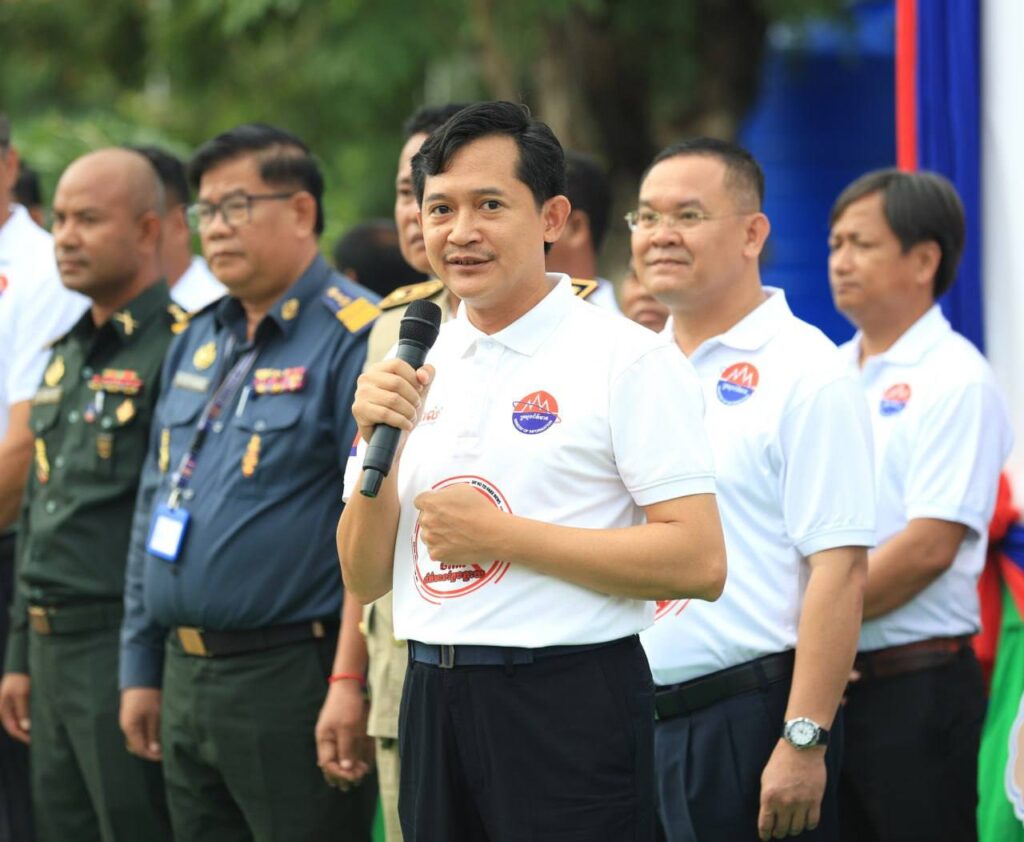
Cambodia's Ministry of Information has urged young people to enhance their media literacy and critical thinking to combat disinformation and psychological warfare. The ministry emphasized verifying information sources, particularly concerning border issues, and promoted the '3 Don'ts, 1 Protect' principle. During the second phase of an anti-disinformation campaign at Banteay Ampil High School in Oudom Meanchey province, Tep Asnarith, Undersecretary of State and Spokesperson for the Ministry of Information, encouraged youth to maintain their mental and cognitive strength to counter disinformation. He stated this is crucial for protecting peace and social stability and for definitively thwarting psychological warfare attacks from various malicious groups. Asnarith advised students to love peace, defend truth, and oppose fake news, especially regarding issues related to the Cambodian-Thai border. He stressed the importance of choosing official and clear information sources from state institutions and licensed media outlets. He also shared an effective self-protection principle, '3 Don'ts, 1 Protect,' with students. The '3 Don'ts' include: don't believe immediately, don't share immediately, and don't be careless when receiving any information. He explained that individuals should develop a habit of pausing to verify information with official sources before deciding to believe or share it. '1 Protect' means protecting oneself, family, and the nation by increasing information literacy and critically examining sources before believing or disseminating them. The ministry aims to promote responsible social media use to protect the community, serving as a strong shield and defense system against psychological warfare waged by malicious individuals and extremist groups intending to create and distribute fake news. The spokesperson noted that fake and distorted news surrounding the Cambodia-Thailand border issue often originates from abroad, disseminated by a small number of malicious individuals and extremist groups with the ill intent to distort, exaggerate, poison public opinion, or damage the national reputation and the government's efforts to protect Cambodia's sovereignty and territorial integrity. In response, representatives of teachers and students from Banteay Ampil High School expressed their firm commitment to fulfilling their role as a strong 'rear front' to counter psychological warfare and protect the community from the spread of fake news. Asnarith further appealed to citizens, especially the youth, to actively participate in the collective strength of the 'rear front' – the front of information, society, and psychology – to support the 'front front' operations. He emphasized that by strengthening their information and media literacy, young people can achieve psychological security and mental resilience, reducing confusion and panic, and preventing them from falling into divisive tactics that could undermine national unity. Source: Kampuchea Thmey Local
Original source
Kampuchea Thmey Local