Cambodian SMEs Offered Up to $1 Million Loans for Energy-Saving Upgrades
A new scheme in Cambodia allows small and medium-sized enterprises (SMEs) to access loans of up to $1 million for energy-efficient equipment and renewable energy technologies. With concessional interest rates and long repayment terms, the initiative aims to boost business competitiveness and reduce costs.
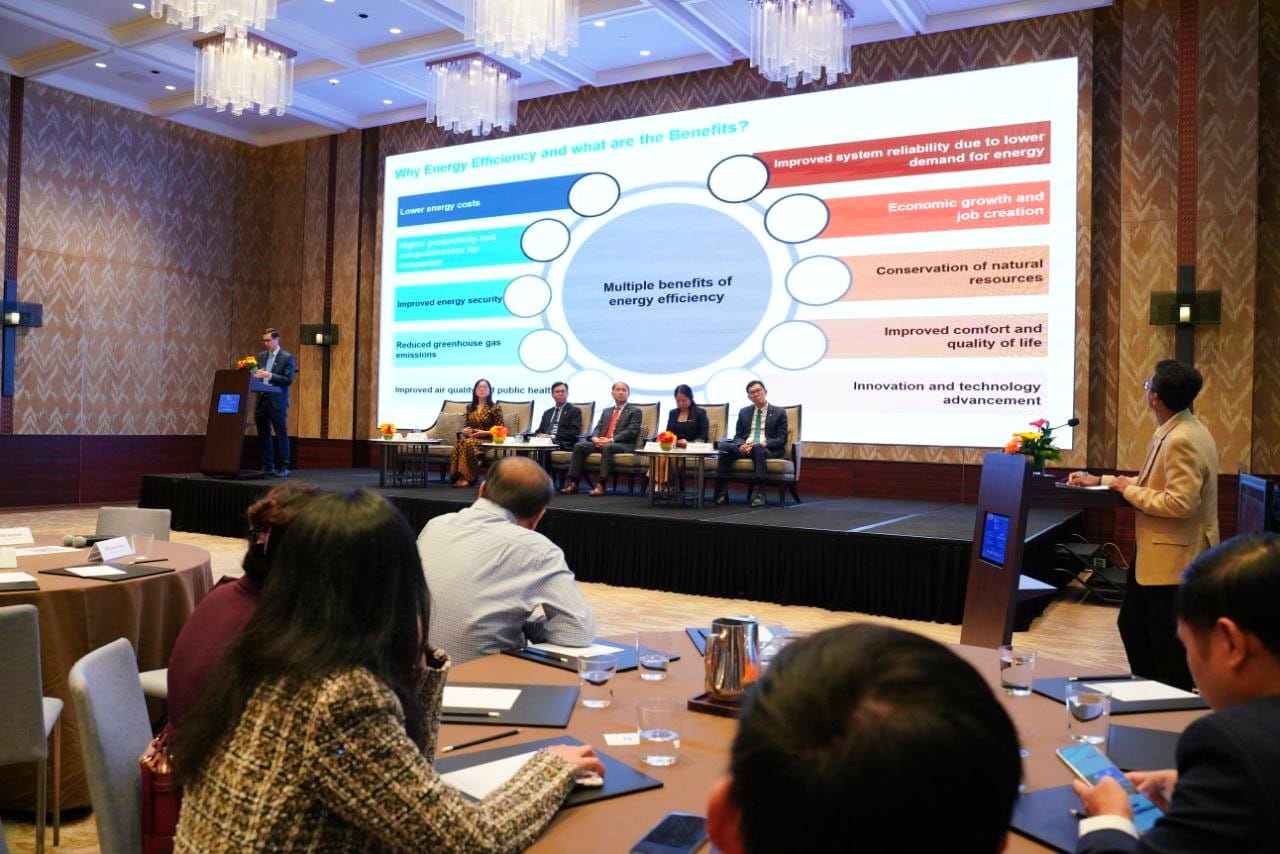
Cambodian small and medium-sized enterprises (SMEs) will now be able to access loans of up to $1 million at concessional interest rates to finance energy-efficient equipment and renewable energy technologies, thanks to a newly launched financing scheme that aims to lower operating costs and improve business competitiveness. The Energy Efficiency Financing Scheme (EEFS), introduced through the newly established $20 million Energy Efficiency Revolving Fund (EERF), offers eligible SMEs long-term financing of up to 10 years with interest rates of up to 5.5%, making it one of Cambodia’s most favourable lending programmes dedicated to energy efficiency. Officials said the scheme addresses one of the biggest obstacles preventing businesses from modernising their operations: limited access to affordable long-term capital. Finance ministry secretary of state Phan Phalla, who chairs the SME Bank of Cambodia, said the financing facility was designed to transform Cambodia’s energy-efficiency ambitions into tangible investments by the private sector. “Over the past decades, Cambodia has achieved remarkable economic progress driven by investment, industrial development and international trade,” he noted, during the launch ceremony. “As our economy continues to expand and diversify, ensuring access to reliable, affordable and sustainable energy will become increasingly critical to maintaining growth, enhancing competitiveness and improving livelihoods,” he added. Although energy-efficient technologies can significantly reduce electricity bills and improve productivity, many Cambodian businesses have struggled to finance the substantial upfront investment needed to replace ageing machinery, cooling systems, motors and other equipment. Recognising that financing gap, the government and the Asian Development Bank (ADB) developed the revolving fund under Cambodia’s Energy Transition Sector Development Programme. Phalla said the financing scheme allows eligible enterprises to borrow up to $1 million for as long as 10 years at concessional interest rates of up to 5.5%, providing businesses with an opportunity to invest in energy-saving technologies while maintaining manageable repayment costs. “The facility is specifically designed to support investment in energy-efficiency equipment, renewable energy technology and other innovative solutions that generate energy savings, enhance productivity and strengthen business competitiveness,” he said. Unlike conventional lending programmes, the facility will operate through a wholesale financing model. Rather than lending directly to enterprises, SME Bank of Cambodia will provide funding to participating commercial banks, which will then evaluate loan applications and extend financing to eligible businesses. Chea Sophak, chief executive officer of SME Bank, said the arrangement would enable the programme to reach a much larger number of enterprises by leveraging the nationwide branch networks and lending experience of commercial banks. He said eligible borrowers must be legally registered SMEs operating in Cambodia, while proposed investments must focus on improving energy efficiency through measures such as replacing outdated machinery, installing modern production equipment or introducing intelligent energy management systems. “We also provide technical support to help enterprises evaluate the amount of energy savings they can expect from their investments,” Sophak said. “This is important because investments in energy efficiency often require businesses to clearly understand both the technical benefits and the long-term financial returns before making decisions.” The programme will initially be available through CIMB Bank PLC and the Foreign Trade Bank of Cambodia (FTB), the first participating financial institutions selected to extend loans under the revolving fund. Heng Vuthy, Acting Chief Executive Officer of CIMB Bank, highlighted how businesses were increasingly looking for ways to reduce operating expenses while remaining competitive. “Energy efficiency has become an important priority because it helps businesses reduce day-to-day costs and improve operational efficiency,” he said. “Through this initiative, CIMB can bridge this financing gap and create opportunities for businesses to grow sustainably,” he added. FTB chief executive officer Dith Sochal noted that rising energy costs had become a significant burden for many Cambodian enterprises, making investment in energy-saving technologies increasingly attractive. “This fund comes at a very important time for Cambodia,” he said. “As our economy continues to grow, improving energy efficiency will be essential to strengthen competitiveness, reduce operating expenses and support our country’s clean energy and climate objectives,” he added. To improve access to credit, the programme will also be supported by the Credit Guarantee Corporation of Cambodia (CGCC), which will offer optional partial credit guarantees for participating banks. The guarantees are intended to reduce lending risks while encouraging banks to provide financing to SMEs that may lack sufficient collateral, one of the most persistent barriers to business borrowing in Cambodia. Chun Sothany, director of strategy and business development at CGCC, explained that the guarantee mechanism addresses two major challenges simultaneously: the high upfront cost of energy-efficiency investments and banks’ concerns over lending risks. “In addition to the $20 million revolving fund, there is also a $2.5 million backstop supporting the guarantee facility,” she said. “This is designed to encourage banks to lend to SMEs while making financing more accessible for businesses seeking to invest in energy efficiency,” she added. She emphasised that the revolving fund should be viewed as a catalyst rather than the final solution to Cambodia’s financing needs. Because the facility is revolving, money repaid by borrowers will be recycled into new loans, allowing many more businesses to benefit over time. ADB estimates Cambodia will require investments of at least $235 million in industrial energy-efficiency projects and $1.2 billion in commercial buildings to achieve the government’s target of reducing national energy consumption by 19% by 2030. Officials said the new financing scheme is intended to demonstrate the commercial viability of energy-efficiency lending and encourage additional commercial banks and investors to enter the market in the coming years.
多角的分析
この融資スキームは、カンボジア経済の持続的成長と競争力強化に不可欠なエネルギー効率の向上を促進する点で重要です。中小企業が直面する資本アクセスの障壁を低減し、省エネ技術への投資を促すことで、事業運営コストの削減、生産性の向上、ひいては経済全体のエネルギー効率の改善が期待されます。これは、ADBの支援を受けた国のエネルギー転換目標達成に向けた具体的な一歩であり、長期的な経済安定化に寄与する可能性があります。
このスキームは、エネルギー効率分野への投資機会を模索する国内外の投資家にとって、カンボジア市場への参入障壁を下げる可能性があります。政府とADBがリスクを一部負担し、信用保証も提供されることで、商業銀行の融資リスクが低減され、結果としてより多くのSMEが投資対象となり得ます。回転基金の仕組みは、資金の持続的な循環を可能にし、長期的な投資環境の安定化に貢献すると考えられます。
省エネ設備への投資は、直接的に中小企業の電気料金負担を軽減し、経営の安定化につながります。これは、雇用維持や創出に不可欠であり、従業員の生活水準の向上にも間接的に寄与します。また、エネルギー効率の向上は、環境負荷の低減にもつながるため、持続可能な社会の実現に向けた市民の意識向上にも貢献する可能性があります。ただし、融資対象となるSMEの選定基準や、技術サポートの質が、恩恵を受ける層の広がりを左右する要因となるでしょう。
このスキームは、中小企業が直面する経営コストの増加、特に電気料金の高騰という課題に直接的に応えるものです。融資により、企業が省エネ設備を導入できれば、そのコスト削減分が製品価格の安定や従業員の賃金上昇に繋がる可能性があります。しかし、融資を受けるためには一定の事業規模や計画が必要であり、より小規模な事業者や非公式セクターで働く人々への直接的な恩恵は限定的かもしれません。また、技術サポートの充実度合いが、導入効果を左右する重要な要素となります。
背景・歴史的文脈
カンボジア経済は過去数十年間、投資、産業開発、国際貿易に牽引され、目覚ましい成長を遂げてきました。しかし、経済の多様化と拡大に伴い、信頼性が高く、手頃な価格で、持続可能なエネルギーへのアクセスが、成長維持、競争力強化、国民生活の向上にとってますます重要になっています。特に中小企業(SME)は、カンボジア経済の基盤をなす存在ですが、老朽化した設備や高騰するエネルギーコストが、その成長を阻害する要因となってきました。このため、政府とADBは、SMEが省エネ技術に投資するための資金的障壁を取り除く必要性を認識し、今回の回転基金を通じた金融スキームを立ち上げました。
原文ソース
Phnom Penh Post