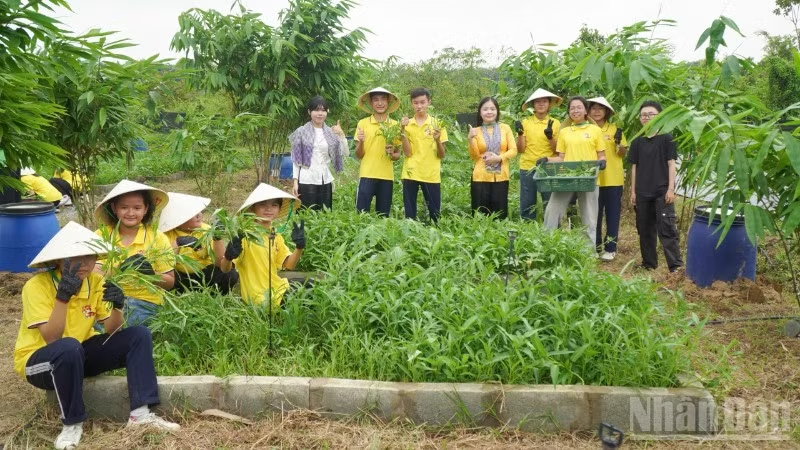
Ho Chi Minh City Builds Sustainable Food Supply Chain from Community Gardens
Society
2026年7月5日
4
Nhan Dan

Ho Chi Minh City Builds Sustainable Food Supply Chain from Community Gardens

AI サマリー

Ho Chi Minh City has launched the community garden 'Green Hero Garden' as part of an initiative to build a sustainable food supply chain, in collaboration with the Danish Embassy and the Ministry of Agriculture and Rural Development. The project aims to promote food safety and healthy eating.

On July 5, the community garden 'Green Hero Garden' was jointly launched in Dong Hoa ward, Ho Chi Minh City. This initiative was realized through the cooperation of the Youth Union of the Ministry of Agriculture and Rural Development, the Royal Danish Embassy in Vietnam, the Vietnam Food Bank Network, and the Trade Union of the Sports Center of Ho Chi Minh City National University. Under the goal of 'For a Healthy Vietnam,' the project aims to build a sustainable food supply chain. This initiative contributes to promoting a circular economy in agriculture and improving access to safe and healthy food. Events are also held to raise awareness about food safety, under the slogan 'Capital's Women Say No to Unsafe Food.' This 'Green Hero Garden' is expected to serve as a new model for food production in urban areas, contributing to stabilizing food supply for local residents, reducing environmental impact, and promoting healthy eating habits. Under Vietnam's one-party system, improving citizens' lives and achieving sustainable development are key policy priorities, and grassroots initiatives like this can play a complementary role in achieving government objectives. Especially as Vietnam continues its economic growth, ensuring food safety and protecting public health are urgent issues. While economically linked with China, enhancing domestic food self-sufficiency and building a safer, more diverse food supply network are essential for economic independence and the stability of citizens' lives.

多角的分析

経済的影響

コミュニティガーデンは、都市部における食料供給の多様化と安定化に寄与する可能性がある。これは、サプライチェーンの短縮化によるコスト削減や、輸送に伴う環境負荷の低減にもつながりうる。また、循環型農業の推進は、資源の有効活用と持続可能な生産体制の構築という点で、ベトナム経済の長期的な発展に貢献する要素となりうる。特に、食料品価格の安定は、国民生活への影響も大きい。

投資家心理

この種のプロジェクトは、直接的な大規模投資を呼び込むものではないかもしれないが、持続可能性や地域社会への貢献を重視するESG投資の観点からは注目に値する。食料安全保障の強化や、健康志向の高まりは、関連産業(例:オーガニック食品、農業技術)への間接的な投資機会を生み出す可能性がある。ベトナムの食料市場における新たなトレンドの兆候として捉えることができる。

社会的影響

「Green Hero Garden」は、地域住民が食料生産に直接関与する機会を提供し、食への意識を高める効果が期待される。都市部での緑化推進にもつながり、住民の生活環境の改善に寄与するだろう。一方で、このような小規模なコミュニティベースの取り組みが、全国的な食料供給網全体にどの程度影響を与えるかは、今後の普及度や政府の支援策にかかっている。安全な食品へのアクセスは、所得格差によって享受できるレベルに差が生じる可能性も指摘される。

市民の声

ホーチミン市のような大都市では、新鮮な野菜へのアクセスが限られたり、価格が高騰したりすることがある。コミュニティガーデンは、住民がより身近で安全な食料を入手できる機会を提供する。また、地域住民同士の交流を促進し、コミュニティの絆を深める場ともなりうる。しかし、参加できるのは一部の住民に限られる可能性があり、より広範な層への恩恵拡大が課題となる。

背景・歴史的文脈

ベトナムは、市場経済化(Đổi Mới)以降、急速な経済成長を遂げ、都市化が進展した。これに伴い、食料の安定供給と安全性の確保が重要な課題となっている。特に、ホーチミン市のような大都市では、人口増加と食料需要の増大が、既存のサプライチェーンに圧力をかけている。過去には食品偽装や汚染問題も指摘されており、国民の食の安全に対する意識は高まっている。デンマークのような先進国との協力は、持続可能な農業技術や食品安全管理の導入を促進する狙いがある。

原文ソース

Nhan Dan

原文を読む