Cambodia Reporter's Perspective: China Claims Philippine Territory Via Taiwan
Chinese academics have claimed that the Philippines' northernmost Batanes Islands belong to China via Taiwan, a move seen as part of a 'lawfare' campaign, raising concerns over the strategically vital region.
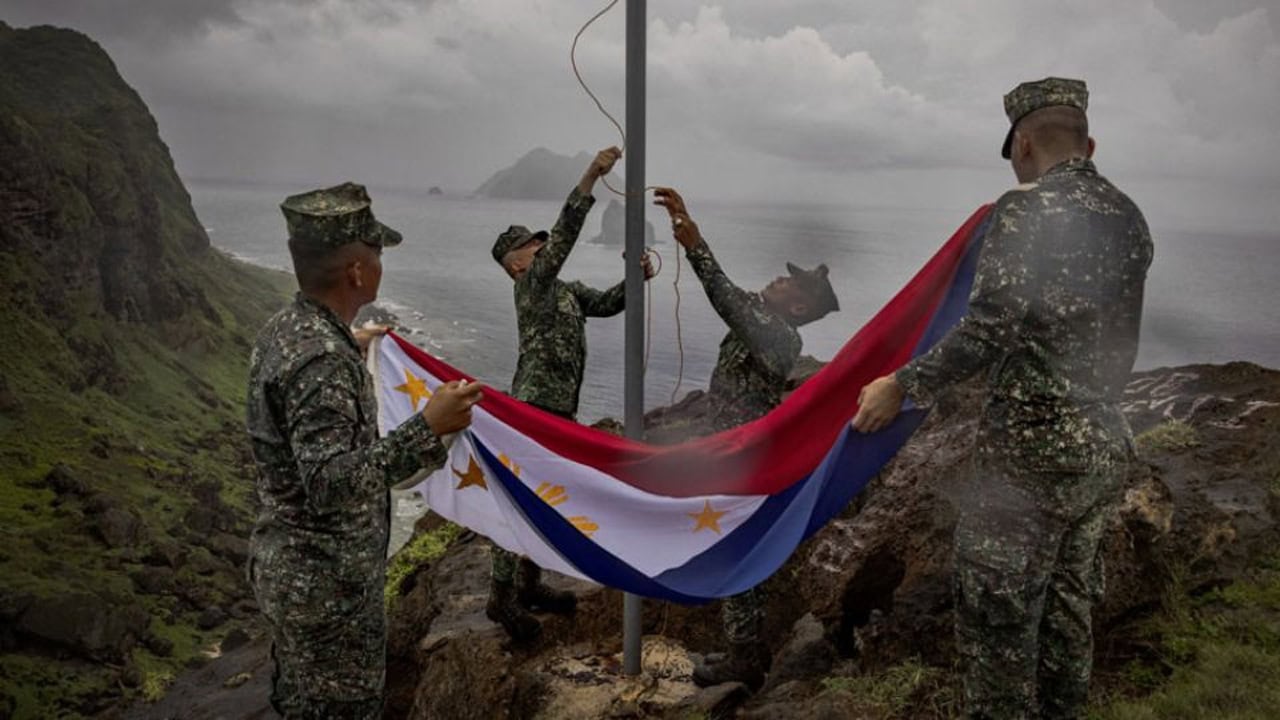
MANILA – Chinese academics have claimed during a symposium last month that the Philippines’ northernmost province of Batanes belongs to China through Taiwan, prompting maritime transparency initiative SeaLight to warn of an apparent “lawfare” campaign aimed at advancing a new legal narrative over the strategically located island province. In a statement issued Thursday, SeaLight said researchers from Chinese universities and research institutions gathered at a June 30 symposium hosted by Jinan University in Guangzhou and concluded that the Philippines’ administration of Batanes lacked historical and legal basis. According to a report published by Jinan University and carried by Guangdong-based news outlet Newsgd, participants described the Batanes Islands as a “natural geographical extension” of Taiwan and asserted that sovereignty over the islands belongs to China. They also argued that the “so-called Japan-Philippines maritime delimitation negotiations” in the area have no legal validity. Neither the report published by Jinan University nor public statements from Chinese authorities indicate that Beijing has formally asserted sovereignty over Batanes. The report said the symposium was convened after the recent Japan-Philippines summit, which reaffirmed closer security and maritime cooperation between the two countries. It added that scholars from Jinan University, the Chinese Academy of Social Sciences, Nanjing University and other institutions attended the event. SeaLight, a maritime transparency initiative launched in 2023 by Stanford University’s Gordian Knot Center for National Security Innovation, uses commercial satellite imagery and maritime tracking data to monitor gray-zone activities in the Indo-Pacific. ‘Lawfare’ strategy SeaLight said the symposium appeared to be part of a broader “lawfare” strategy, in which legal arguments and academic discourse are used to reinforce territorial claims without an official declaration by the Chinese government. SeaLight said the scholars’ conclusions could support China’s activities near the Bashi Channel, citing Chinese patrols conducted east of Taiwan last month. “So far, PRC government officials have not endorsed the symposium’s conclusions, but that’s not unusual in PRC gray-zone narrative warfare,” SeaLight said. “For now, muddying the waters over Batanes’ legal ownership is sufficient to help justify its ‘sovereignty’ patrols,” it added. Batanes is the Philippines’ northernmost province, located between Luzon and Taiwan along the Bashi Channel, a strategic waterway linking the South China Sea and the western Pacific. The area has drawn increasing strategic attention amid tensions in the Taiwan Strait and heightened military activity nearby. The Department of Foreign Affairs and the Chinese Embassy in Manila had yet to respond to requests for comment as of posting time. /dl ANN/Philippine Daily Inquirer
多角的分析
中国によるバタネス諸島への領有権主張は、直接的な経済的影響は現時点では限定的であるものの、将来的な資源開発や漁業権、そして海上輸送ルートの安全保障に関わる潜在的なリスクを内包している。もし中国がこの地域への影響力を強めれば、フィリピン経済、特に漁業や海運業に影響が出る可能性がある。また、地域全体の経済的安定性への懸念も生じうる。
現時点では、中国政府による公式な領有権主張ではないため、直接的な投資リスクは低い。しかし、この「法戦」戦略は、南シナ海における中国の領有権主張の拡大傾向の一環と見なされるべきであり、投資家は地域全体の地政学的リスクを注視する必要がある。特に、フィリピンや台湾周辺での緊張の高まりは、サプライチェーンや物流の混乱を招く可能性があり、投資判断に影響を与えうる。
バタネス諸島の住民にとっては、この領土問題は生活の安定や将来への不安に直結する。中国の学術的な主張が、将来的に実効支配の試みにつながる可能性も否定できない。これにより、住民の移動の自由、伝統的な生活様式、そして地域経済への影響が懸念される。また、フィリピン国内の世論にも影響を与え、ナショナリズムの高まりや、中国に対する警戒感を醸成する可能性がある。
このニュースは、カンボジアの市民にとっては直接的な影響は少ないものの、東南アジア地域における中国の海洋進出とその影響力拡大の一例として認識されるだろう。カンボジアも南シナ海に面しており、中国との関係が深いことから、地域全体の安全保障環境の変化は、間接的にカンボジアの経済や外交政策に影響を与える可能性がある。市民は、近隣諸国の動向と中国の海洋戦略に、より一層関心を寄せるようになるかもしれない。
背景・歴史的文脈
中国は近年、南シナ海における海洋権益の主張を強めており、人工島の建設や軍事拠点化を進めている。台湾海峡の緊張も高まる中、中国は学術的な議論や情報発信を通じて、自国の主張を補強する「法戦」とも呼ばれる戦略を展開している。今回のバタネス諸島への主張は、フィリピンと台湾の間の戦略的要衝であるバシー海峡における中国の影響力拡大を狙ったものと見られる。これは、2016年の常設仲裁裁判所による南シナ海仲裁裁判所の判断を事実上無視する姿勢とも関連している。
原文ソース
Phnom Penh Post