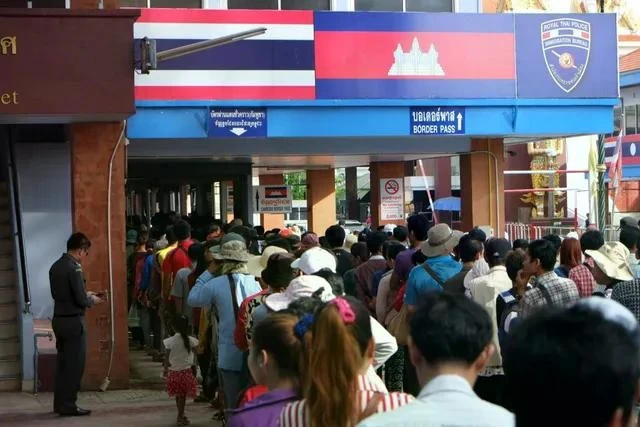
Thailand Extends Work Permits for Migrant Workers from Laos, Myanmar, Vietnam
Thailand has decided to extend work permits for migrant workers from Laos, Myanmar, and Vietnam. This measure is seen as aimed at maintaining economic activity and addressing labor shortages. For Vietnam's economy, maintaining overseas employment opportunities is also significant.
Thailand has decided to extend work permits for migrant workers from Laos, Myanmar, and Vietnam. This measure is believed to be aimed at alleviating labor shortages within Thailand and stabilizing economic activities. As a member of the Association of Southeast Asian Nations (ASEAN), Vietnam views this decision in the context of facilitating labor mobility within the region. For Vietnam, maintaining overseas employment opportunities for its citizens is significant in terms of securing foreign exchange earnings and addressing domestic employment issues. Thailand consistently prioritizes securing labor to support its economic growth, and accepting workers from neighboring countries has been a long-standing policy. The extension of work permits is seen as reflecting the current situation in Thailand, where labor shortages are becoming severe, particularly in sectors like construction and agriculture. Under its one-party system, Vietnam prioritizes economic growth and social stability, and ensuring employment opportunities for its citizens is a crucial responsibility of the government. Overseas employment significantly contributes to improving the living standards of its people, making the activities of labor export agencies and the labor agreements with Thailand a matter of close attention for the Vietnamese government. Although this is a domestic policy decision by Thailand, it directly affects the travel and employment of Vietnamese workers in Thailand and may indirectly impact Vietnam's labor market and remittance trends. Source: VietnamPlus English
多角的分析
タイの外国人労働者に対する滞在許可延長は、タイ経済の労働力不足を補うための直接的な措置である。ベトナム経済にとっては、国民の国外での雇用機会が維持されることは、送金による外貨獲得や国内の雇用圧緩和に寄与する。特に、タイはベトナムにとって重要な労働市場の一つであり、この決定はベトナムの労働輸出政策にも影響を与える可能性がある。ベトナム経済は輸出主導型であり、海外での労働力需要の変動は、国内の消費や投資にも間接的な影響を及ぼす。
タイの労働力確保策は、タイに進出する日系企業を含む外国企業にとって、操業安定化の好材料となる。人件費の上昇圧力緩和や、プロジェクト遂行に必要な人員確保の観点から、投資環境へのプラス要因と見なされる可能性がある。ベトナムの投資家にとっても、タイでの雇用機会維持は、ベトナム人労働者の送金増加を通じて、間接的な恩恵をもたらす可能性がある。
タイにおけるベトナム人労働者の滞在許可延長は、彼らのタイでの生活基盤の安定化に繋がる。これは、タイ国内のベトナム人コミュニティの維持・発展に寄与するだけでなく、タイ社会における労働力構成の安定化にも貢献する。一方で、タイ国内での労働者間の競争や、タイ国民との雇用機会に関する摩擦が生じる可能性も否定できない。ベトナム国内では、国外で働く家族からの送金が、地方の経済や家族の生活を支える重要な要素となっている。
タイで働くベトナム人労働者にとっては、滞在許可の延長は、生活と雇用の継続を保証する朗報である。これにより、彼らはタイでの生活を続け、家族への送金を継続することが可能となる。タイ国内では、外国人労働者の受け入れが経済活動を支える一方で、一部ではタイ人労働者との雇用機会の競合や、賃金水準への影響が懸念される声もある。ベトナム国内の家族にとっては、国外で働く家族からの仕送りが、生活費や子供の教育費の重要な源泉となっている。
背景・歴史的文脈
ベトナムは、経済改革開放(ドイモイ)以降、急速な経済成長を遂げ、多くの国民が国外、特にタイやマレーシアなどの近隣諸国で就労している。これらの国々は、ベトナムにとって重要な労働市場であり、労働者の送金はベトナム経済にとって重要な外貨収入源となっている。タイは、ASEAN加盟国として、域内労働力の自由な移動を推進する一方で、国内の労働市場の安定化のため、外国人労働者に対する管理を強化してきた。今回の滞在許可延長は、タイの経済状況と労働力需要に応じた政策調整と見られる。
原文ソース
VietnamPlus English