General articles are free for 24 hours after publish.
Lawmakers Face Graft Charges Over Flood Control Projects
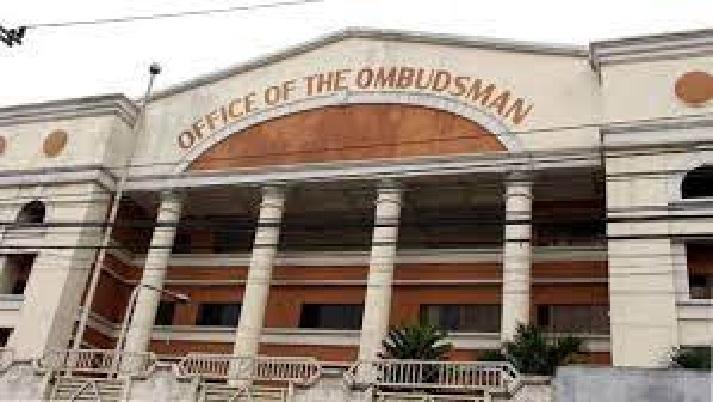
The Ombudsman has filed graft and malversation charges against two lawmakers and three others in connection with alleged corruption in infrastructure projects. The charges stem from billions of pesos worth of projects implemented between 2016 and 2024.
The Ombudsman has filed 14 counts of graft charges against USWAG Ilonggo Partylist Representative James Ang Jr. in connection with the flood control mess. Former Sultan Kudarat 2nd District Rep. Arnulfo Go and three others face two counts of graft and two counts of malversation charges. Ang was previously included in the Independent Commission for Infrastructure (ICI) recommendation to the Ombudsman for investigation into possible plunder and bribery related to billions of pesos worth of infrastructure projects from 2016 to 2024. ICI chairperson Andres Reyes Jr. referred to Ang among the possible "cong-tractors," a term for members of Congress or their associates who own construction firms that receive project awards or contracts from the Department of Public Works and Highways (DPWH). In a statement last November, Ang expressed confidence in clearing his name. "My conscience is clear. I am confident that I will be able to clear my name soon. My resolve for truth to come out is stronger and clearer," Ang said. He also stated that he has never used his government position for personal gain in his three years of public service and vowed not to betray the trust of the Ilonggos. Ang further added that he is ready to face the charges against him. This case highlights ongoing concerns about transparency and accountability in public infrastructure projects in the Philippines. Allegations of lawmakers leveraging their positions to connect with the construction industry and potentially misappropriate public funds can significantly erode public trust. While infrastructure development is crucial for economic growth in the Philippines, corruption can lead to project delays, reduced quality, and adverse impacts on public welfare.
Original source
GMA News Philippines