General articles are free for 24 hours after publish.
ASPIRE-AT Listens to Farmers, Promotes Modern Agriculture in Cambodia
In Cambodia's Battambang province, the ASPIRE-AT project team met directly with farmers and agricultural communities to understand challenges and needs for transitioning to modern agriculture. The understanding was emphasized that planning based on local voices is crucial for improving agricultural productivity and market responsiveness.
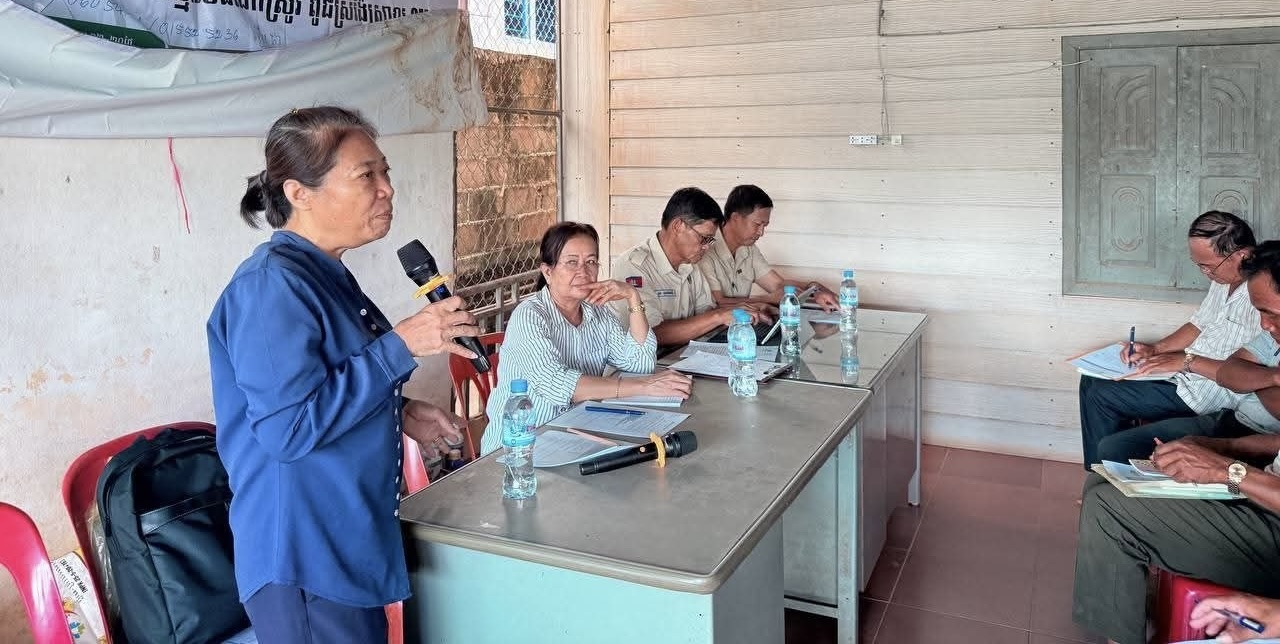
In Cambodia's Battambang province, the ASPIRE-AT (Agricultural Productivity and Climate Resilience Enhancement Project) provincial working group is engaging with farmers and local communities to foster a transition towards modern agriculture, focusing on enhancing productivity and market responsiveness. On September 8, 2026, a team led by Mr. Run Sophannara, Deputy Director and Program Management Head of ASPIRE-AT, collaborated with the ASPIRE-AT program secretariat to meet with commune agricultural officials and representatives from two modern rice agricultural communities. These communities are located in Rohal village, Rohal commune, Preah Netr Preah district, and Koh Phnao village, Banteay Neang commune, Mongkol Borei district. The discussions involved a total of 60 participants, including 17 women, providing an opportunity for community representatives and relevant officials to share their experiences, challenges, and current needs in rice production and agricultural community development. Mr. Run Sophannara led discussions focused on gathering practical information directly from the communities to thoroughly understand the current production situation, the challenges farmers face, their essential needs, and their vision for the future development of their agricultural communities. He emphasized the importance of community participation, stating that information from direct producers is a crucial foundation for accurately determining intervention strategies. Listening to farmers' issues directly helps project planners gain a clearer understanding of the differences in production conditions, resource requirements, technical needs, and market challenges faced by each community. Furthermore, the discussions centered on the vision for transforming the current agricultural system into one with higher productivity. This transformation is not merely about increasing production volume but also about considering quality, efficiency in resource utilization, risk reduction, and farmers' capacity to respond to climate and market fluctuations. Agriculture in the current context demands high adaptability from farmers, especially concerning climate change, production costs, and market demand shifts. Therefore, climate-smart agricultural diversification is considered a vital component in building a resilient agricultural system and sustaining farmers' household incomes. A key outcome of these meetings is that the information and feedback collected from commune agricultural officials and modern rice communities will be used as input for preparing and improving the RICE+ project proposal to better align with and respond to actual local needs. This signifies that community voices will be translated into actionable information for project planning and for setting support priorities. This approach, if implemented effectively, will help bridge the gap between policy and the actual needs of local producers. Agricultural communities, which are on the front lines of production issues, will have the opportunity to participate in setting their own development priorities. This methodology can lead to more targeted interventions, reduced unnecessary expenditures, and increased efficiency in supporting farmers. The insights shared by the communities today will form the basis for refining the RICE+ proposal to better address existing challenges and needs. As Cambodia's agriculture moves towards modernization, listening to farmers at the grassroots level and planning support aligned with their genuine requirements will be crucial for building a highly productive, climate-resilient, diversified, and competitive agricultural sector. Source: AKP Khmer
Original source
AKP Khmer