General articles are free for 24 hours after publish.
Lombok's Nunas Nede Tradition Safeguards Seven Springs
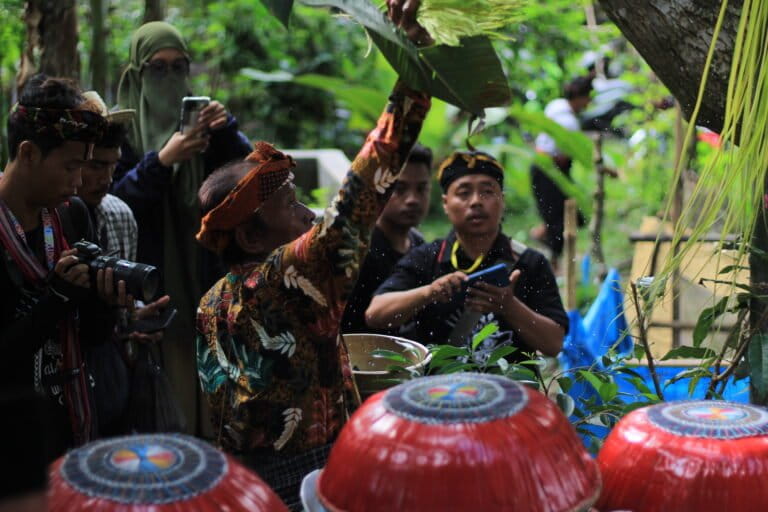
In Kesik Village, East Lombok, the annual 'Nunas Nede' ritual is performed before the rainy season. This tradition involves collecting water from seven springs, praying for rain, and pledging to protect water sources, symbolizing community unity and respect for nature.
In Kesik Village, Masbagik District, East Lombok, Indonesia, the annual 'Nunas Nede' ritual is performed as the dry season transitions to the rainy season. This tradition aims to pray for rain, which is crucial for the continuity of the community's livelihood through agriculture, and to raise awareness about the preservation of the village's vital water sources. The core of the ritual involves collecting water from seven springs scattered throughout the village. The collected water is unified as a symbol of the interconnectedness of life and nature's blessings. Villagers bring their harvest, offer prayers, and share a communal meal. Amaq Marni, a 73-year-old traditional leader, stated, 'This ritual reminds us not to destroy the water sources. Water is not just for humans; it is for all living beings. If the springs are damaged, the fields will be damaged, and our lives will disappear.' This lesson is put into practice through collective community work. Residents clean the spring areas, remove mud and debris, repair channels, and plant trees. Young people are particularly active in assisting with preparations and clearing clogged water channels. Unwritten rules, such as prohibitions against felling certain trees and indiscriminate waste disposal, are also maintained. The forests around the springs are protected because residents understand their connection to the continuity of water supply. 'If the trees are cut down, the water will also leave. This is a message from our elders that we always uphold,' Marni added. In recent years, seasonal changes due to climate change have increased farmers' anxiety. Rainfall has become more unpredictable, the discharge of some springs has decreased, and planting times have become uncertain. The agricultural cycles that were once stable are now being disrupted by the impacts of climate change.
Original source
Mongabay Indonesia