China Highlights Laos' Low-Carbon Zone as Model for Green Development
China has highlighted the Vientiane-Saysettha Low-Carbon Demonstration Zone in the Lao PDR as a model of green development cooperation under the Global Development Initiative (GDI). This was reported as part of an international media program on China's urban governance and public sector training.
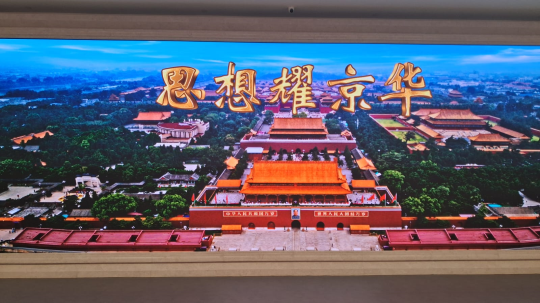
China has identified the Vientiane-Saysettha Low-Carbon Demonstration Zone in the Lao PDR as a prime example of green development cooperation under the Global Development Initiative (GDI). This was revealed as part of an international media program focused on China's urban governance and public sector training. The Beijing Administration Institute (BAI), established in 1993, is a leading training institution for civil servants and public officials in China, sharing academic resources with the Party School founded in 1950. Together, they provide education, policy research, and advisory services to support government decision-making. The BAI also facilitates international cooperation and exchanges on sustainable urban management, public administration, and policy research and capacity building. During a recent international media program, journalists toured the "Beijing Practice" Themed Classroom, an exhibition showcasing Beijing's urban development strategies, governance reforms, and sustainable development initiatives. Digital displays and case studies highlighted Beijing's efforts in regional coordination, scientific and technological innovation, environmental protection, and public service improvement. Institute officials stated that research findings from the BAI contribute to policymaking at both municipal and national levels, while international cooperation with universities and research institutions has strengthened exchanges on public administration and governance. Recent development achievements in Beijing, including improvements in air quality, economic transformation, and public services, were also presented, noting a significant decline in annual average PM2.5 concentration and economic growth with an increasing emphasis on innovation. The emphasis on the low-carbon demonstration zone in Laos suggests China's broader strategy to promote environmentally conscious development models internationally through the GDI. This aligns with Laos' ongoing infrastructure development under China's Belt and Road Initiative, indicating a growing focus on environmental sustainability in these projects.
多角的分析
中国がラオスの低炭素実証ゾーンをグリーン開発協力のモデルとして強調したことは、ラオスの経済発展における中国の影響力の拡大を示唆している。特に、グローバル開発イニシアチブ(GDI)を通じた連携は、中国がラオス経済の構造転換を支援する意向を示していると解釈できる。ラオスは、水力発電などのクリーンエネルギー開発を推進しており、中国の技術や資金支援は、これらの分野での国際競争力を高める可能性がある。しかし、中国への経済的依存度が高まるリスクも同時に存在する。
ラオスのヴィエンチャン・セター低炭素実証ゾーンが中国によってグリーン開発協力のモデルとして取り上げられたことは、環境技術や再生可能エネルギー分野への投資機会を示唆している。中国のグローバル開発イニシアチブ(GDI)との連携は、これらの分野における国際的な資金流入を促進する可能性がある。投資家は、ラオスの政策動向と中国の支援の具体的な内容を注視する必要がある。特に、インフラ開発と環境基準のバランスが、長期的な投資リターンの鍵となるだろう。
ラオス人民民主共和国のヴィエンチャン・セター低炭素実証ゾーンが、中国のグローバル開発イニシアチブ(GDI)におけるグリーン開発協力のモデルとして挙げられたことは、ラオス国民の生活環境への影響が期待される。低炭素化の推進は、大気汚染の改善や持続可能な都市開発につながる可能性がある。しかし、開発プロジェクトの実施にあたっては、地域住民の意見がどの程度反映されるか、そして恩恵が公平に分配されるかが重要な課題となる。中国主導の開発が、ラオスの社会構造や文化に与える長期的な影響も注視する必要がある。
ラオスのヴィエンチャン・セター低炭素実証ゾーンが中国のグリーン開発協力のモデルとして取り上げられたことは、市民生活に直接的な影響を与える可能性がある。低炭素化は、都市部の大気汚染改善や、より健康的な生活環境への期待につながる。しかし、開発プロジェクトの恩恵が、一部の地域や階層に偏ることなく、全国民に行き渡るかどうかが問われる。また、中国からの技術導入やインフラ整備が、ラオスの伝統的な生活様式や地域社会との調和を保ちながら進められるか、市民は関心を持っている。
背景・歴史的文脈
ラオス人民民主共和国(ラオスPDR)は、長らく中国、特に「一帯一路」構想の下でのインフラ開発における主要なパートナー国の一つである。中国は、ラオスを東南アジアにおける戦略的な結節点と見なし、鉄道や水力発電所などの大型プロジェクトに投資してきた。グローバル開発イニシアチブ(GDI)は、2021年に中国が提唱した、持続可能な開発目標(SDGs)達成を支援する枠組みであり、環境保護やグリーン開発をその重点分野の一つとしている。ラオスのヴィエンチャン・セター低炭素実証ゾーンが、このGDIのモデルとして取り上げられたことは、中国がラオスとの経済的・政治的関係を深化させつつ、国際社会に対して自国の開発協力の「グリーン」な側面をアピールする意図があることを示唆している。これは、ラオスの一党体制下での開発政策が、中国の国際戦略と密接に連携している現状を反映している。
原文ソース
KPL Laos News