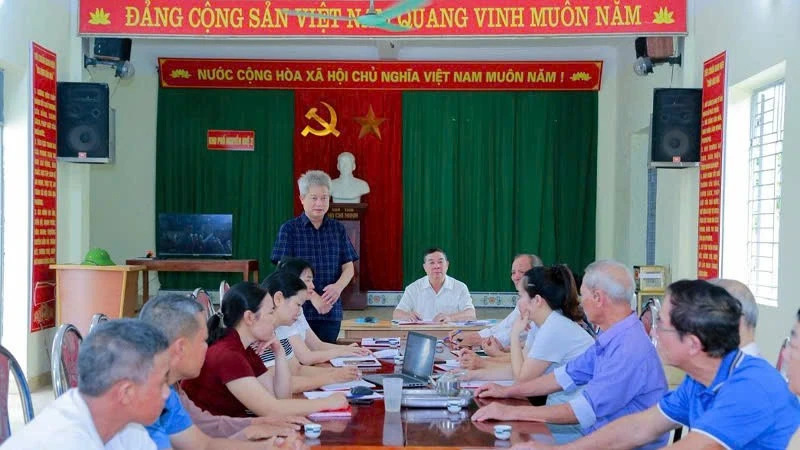
Quang Ninh Province Consolidates Local Communities Through Administrative Reorganization
Quang Ninh Province in Vietnam has reduced its administrative units from 1,452 to 624 through reorganization, cutting 828 units. This reform aims to consolidate small and inefficient administrative entities, enhancing management and operational efficiency and improving resident services. The reorganization also involves strengthening local political organizations and redeploying non-specialized staff.
Quang Ninh Province in northern Vietnam has completed the reorganization of its local administrative units, consolidating 1,452 communes, villages, and urban districts into 624. This initiative has resulted in a reduction of 828 administrative units, a decrease of 57.02%. The large-scale administrative reorganization aims to eliminate small and non-compliant administrative units, fostering the creation of more efficient local communities. All 624 resulting administrative units now meet the required standards, making them more appropriately sized for resident management, operations, public outreach, and the execution of local tasks. This reform is being implemented in conjunction with the restructuring of local political organizations and the deployment and utilization of non-specialized staff. The Quang Ninh Provincial Party Committee is also focusing on improving the quality of leadership personnel, including Party secretaries, village chiefs, and community representatives, to ensure readiness for post-reorganization tasks. The reorganization of Party organizations, the Fatherland Front, and various branches and associations has been carried out through a democratic and transparent process, adhering to central directives. Mr. Quan Minh Cuong, Secretary of the Quang Ninh Provincial Party Committee, commended the swift and decisive implementation of this reorganization. He emphasized that the most critical tasks following the reorganization are rapid organizational stabilization and ensuring smooth, effective operations without disruption to resident services. The province plans to complete the election of village chiefs and other key positions by August 2026 through a democratic and transparent process. Furthermore, interim operational guidelines will be developed by the Provincial Party Organization Committee to address the large number of Party members in merged Party cells. The province will also consider policies and benefits for redundant non-specialized staff resulting from the reorganization, as well as the effective utilization of cultural and community facilities.
多角的分析
行政区画の再編は、直接的な経済効果よりも、行政コスト削減やサービス提供効率化による間接的な経済成長への寄与が期待される。特に、クアンニン省は石炭産業や観光業で知られ、インフラ整備も進んでいる。行政単位の統合は、地域開発計画の策定や実施をよりスムーズにし、投資環境の改善につながる可能性がある。しかし、地方レベルでの行政改革は、中央政府の政策と連動して進められるため、その効果は中央の経済政策全体の方向性にも左右される。
投資家にとって、行政区画の再編は、行政手続きの簡素化や、より効率的なインフラ整備・公共サービス提供への期待感につながる可能性がある。クアンニン省は、経済特区としての側面も持ち合わせており、外国からの投資を誘致する上での行政の効率性は重要な要素となる。ただし、再編に伴う一時的な混乱や、新たな人事配置による意思決定プロセスの変化など、短期的な不確実性も考慮する必要がある。長期的には、より安定した行政基盤が構築されれば、投資リスクの低減につながるだろう。
行政単位の再編は、住民の生活に直接的な影響を与える。特に、これまで利用していた行政サービスへのアクセス方法の変更や、地域コミュニティの名称・境界線の変更などが生じる。クアンニン省では、合併後の行政単位が基準を満たすよう配慮されているが、地域住民の意見集約や、新たなリーダーシップへの適応が課題となる。また、非専任職員の処遇問題は、地域社会における雇用の安定性や、住民サービス提供体制の維持に影響を与える可能性がある。地方の伝統や慣習が、新たな行政単位の中でどのように維持・発展していくかも注視すべき点である。
行政区画の再編は、クアンニン省の住民にとって、行政サービスへのアクセスや地域コミュニティのアイデンティティに変化をもたらす。例えば、これまで近かった役場が遠くなったり、地域のお祭りの開催場所が変わったりする可能性がある。また、合併によって地域住民間の交流が促進される一方で、新たな住民間の摩擦が生じる可能性も否定できない。特に、少数民族が多く居住する地域では、文化や習慣の違いが再編後のコミュニティ運営に影響を与えることも考えられる。住民の声が行政に届き、地域の実情に即した運営が行われるかが重要となる。
背景・歴史的文脈
ベトナムでは、社会主義共和国建国以来、地方行政単位の再編は度々行われてきた。特に、経済改革(Đổi Mới)以降、地域経済の活性化と行政効率化が重視されるようになり、行政区画の統合や地方政府への権限移譲が進められてきた。過去には、人口密度や経済規模が小さい行政単位が非効率を生むという指摘があり、これを是正するために、2019年頃から全国規模で行政単位の再編が加速している。クアンニン省の今回の再編も、こうした中央政府の政策方針に沿ったものであり、地方統治の最適化と効率化を目指す一連の流れの一部と位置づけられる。
原文ソース
Nhan Dan