Angkor Ticket Sales Plummet by Nearly a Third in First Half of 2026
Foreign tourist arrivals to the Angkor Archaeological Park dropped by 31.69% in the first half of 2026 compared to the same period last year, with ticket revenue falling 29.81%. Global political and economic uncertainties and border tensions with Thailand are cited as primary reasons, raising concerns for Cambodia's economic recovery.
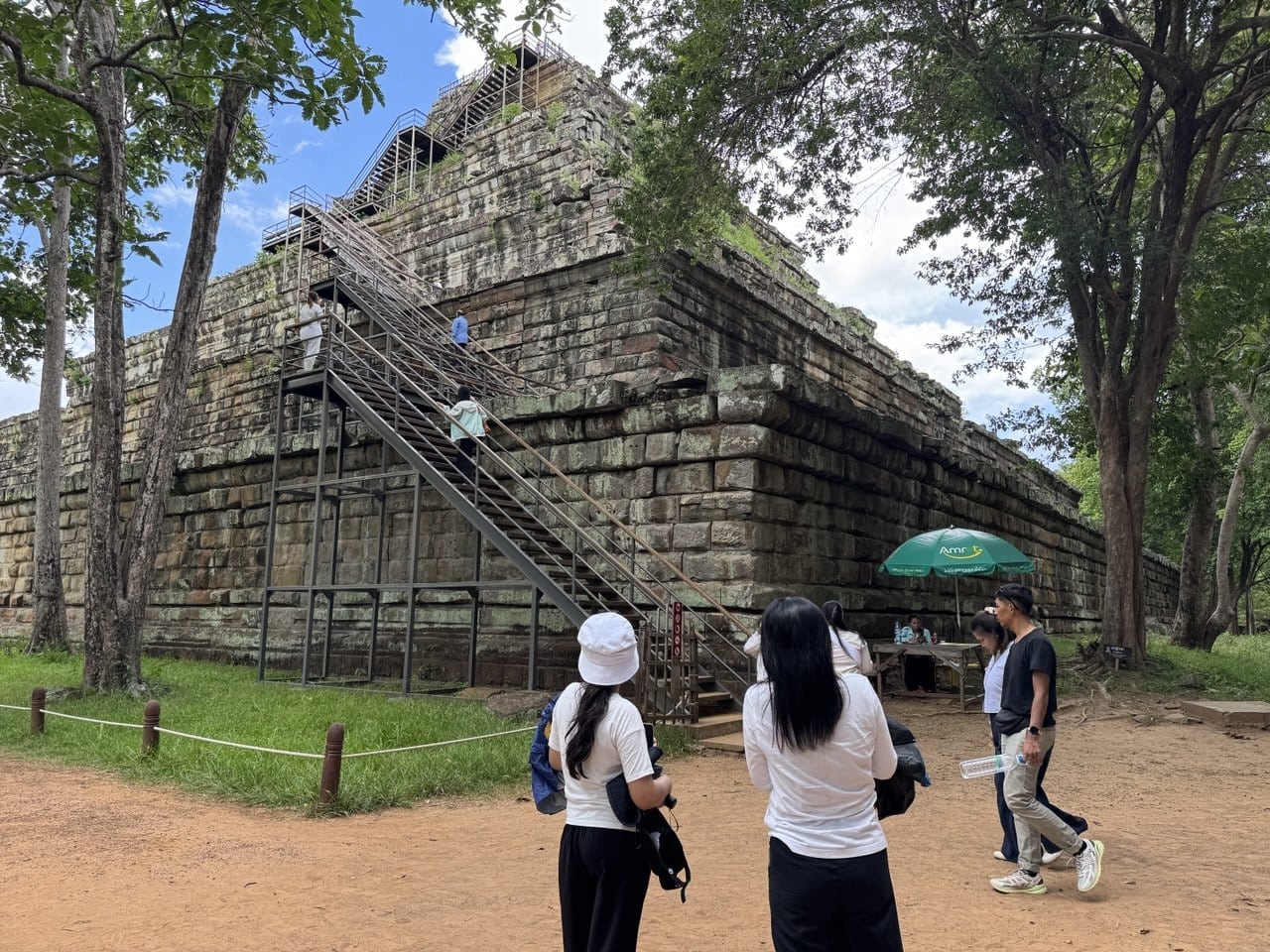
Revenue from ticket sales at the Angkor Archaeological Park has seen a significant decline in the first half of 2026, with foreign tourist arrivals plummeting, raising concerns for Cambodia's tourism sector and economic recovery. According to a press release from Angkor Enterprise, between January and June 2026, a total of 387,772 foreign guests purchased tickets to visit the park, marking a 31.69% decrease compared to the same period last year. Ticket sales generated $18.47 million, a year-on-year drop of 29.81%. Angkor Enterprise, a public administrative body established in 2016, operates under the Ministry of Tourism and the Ministry of Economy and Finance. Besides the Angkor Archaeological Park, it also generates revenue from ticket sales at Koh Ker temple ($116,325), Beng Mealea Temple ($83,430), Kbal Spean ($3,585), and Chong Kneas port ($426,665). Ticket prices for the park are set at $37 for a one-day pass, $62 for three days, and $72 for seven days. Khiev Thy, president of the Khmer Angkor Tour Guide Association, noted that the number of foreign tourists visiting the ancient temples in Siem Reap province has remained relatively low over the past year. "As for the coming period, I am not yet in a position to draw any conclusions because the flow of international tourists also depends on the global political and economic situation," he stated. In 2025, the Angkor park sold tickets to 955,131 international tourists, generating $44.71 million in revenue. This represented a decline of 6.7% in ticket buyers and 6.51% in revenue compared to 2024. Experts suggest that the downturn in tourism is attributed to a combination of global economic uncertainties, inflation, and geopolitical tensions, including border issues with neighboring countries. The Cambodian government is reportedly exploring strategies to boost tourism, such as enhanced promotional campaigns and the development of new tourism circuits, though the effectiveness of these measures remains uncertain.
多角的分析
アンコール遺跡群の入場料収入の激減は、カンボジア経済にとって深刻な打撃となる。観光業は同国の主要な外貨獲得源の一つであり、GDPに占める割合も大きい。この収入減は、政府の財政にも影響を与え、インフラ整備や社会福祉プログラムへの投資能力を低下させる可能性がある。また、観光業に関連する雇用も失われ、国民の生活水準に直接的な影響を及ぼすことが懸念される。世界経済の不確実性が続く中、カンボジア経済の多角化が急務であることが改めて浮き彫りになった。
アンコール遺跡群への観光客減少は、カンボジアへの投資環境にネガティブなシグナルを送る。特に、観光関連産業(ホテル、レストラン、交通機関など)への投資は、収益性の低下に直面するリスクが高まる。投資家は、カンボジアの経済成長の潜在力を見極める上で、観光業の回復力と政府の対応策を注視する必要がある。長期的な視点では、経済の安定性と多様性が投資判断の鍵となるだろう。
観光客の減少は、シェムリアップ州を中心に、ガイド、土産物店員、ドライバー、ホテル従業員など、観光業に直接携わる人々の生計を圧迫する。特に、低賃金で働く人々は、収入の減少に直面し、生活苦に陥る可能性がある。また、観光収入は地域社会のインフラ整備や教育、医療への投資にも繋がるため、その減少は間接的に地域住民全体の福祉にも影響を及ぼす。地元住民は、観光客の回復を待ち望む一方で、新たな収入源の確保や生活の安定化に向けた支援を求めている。
アンコール遺跡群への観光客減少は、カンボジア国民、特にシェムリアップ州の住民にとって、直接的な経済的影響をもたらす。観光業は多くの雇用を生み出しており、観光客が減ることで、ガイド、ホテル従業員、レストラン経営者、土産物販売者などの収入が減少する。これは、彼らの家計を圧迫し、生活水準の低下につながる。また、観光収入は間接的に公共サービスへの投資にも繋がるため、その減少は国民全体の福祉にも影響を与える可能性がある。国民は、観光業の回復と、より安定した経済基盤の構築を望んでいる。
背景・歴史的文脈
アンコール遺跡群は、カンボジアの国民的象徴であり、同国の観光収入の大部分を占める。1990年代以降、内戦終結とともに観光客が回復し、2019年には600万人以上の外国人観光客が訪れるまでに成長した。しかし、COVID-19パンデミックにより2020年以降、観光客は激減。パンデミックからの回復途上にあった2025年後半から、世界的な政治経済の不確実性や、タイとの国境を巡る緊張といった新たな逆風に直面し、観光客の回復が足踏み状態となっている。
原文ソース
Phnom Penh Post