Manila Water Taps New Water Sources Amid El Niño Threat
Business
2026年7月7日
4
BusinessWorld Economy

Manila Water Taps New Water Sources Amid El Niño Threat

AI サマリー

Manila Water Co., Inc. is set to utilize Wawa River and Laguna de Bay for additional raw water supply to counter declining levels at Angat Dam due to the El Niño phenomenon. Two new water treatment plants are nearing completion to bolster supply reliability.

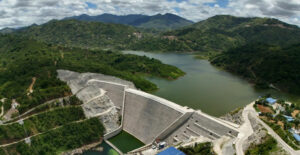
EAST ZONE concession holder Manila Water Co., Inc. said it plans to tap Wawa and Laguna de Bay for additional raw water to mitigate declining water levels at Angat Dam as El Niño takes hold. “We continue to further improve the existing components of the supplemental resources, which are the Wawa and Laguna Lake Systems and add new components to ensure reliability and availability,” Josemar B. Emboltorio, Manila Water’s operations group director for the east zone, said at a briefing on Tuesday. Angat Dam supplies more than 90% of Metro Manila’s raw water needs. Its water level has been dropping below critical levels with the onset of El Niño. The capital’s two water providers were allocated of 48 cubic meters per second (cms) of raw water this month, less than the usual 52 cms, after water levels in Angat dropped below the critical 160-meter mark. Last month, the government weather service, known as PAGASA (Philippine Atmospheric, Geophysical and Astronomical Services Administration) announced the onset of El Niño and forecast it to escalate into a “super El Niño” by late 2026, potentially extending into next year. El Niño raises the likelihood of dryer-than-normal conditions in parts of the country, potentially triggering droughts and dry spells, while also bringing fewer but possibly stronger tropical cyclones. To further reduce dependence on Angat, Mr. Emboltorio said the company is set to commission two new water treatment plants (WTPs) that could treat up to 420 million liters per day (MLD) of water. The 200-MLD East Bay Phase 2 WTP, which will source from the Upper Wawa Dam, is due for completion by the third quarter. Meanwhile, the 220-MLD Kasaykat WTP is expected to start delivering water by the fourth quarter. It sources from the eastern shore of Laguna de Bay. The anticipated completion of the two projects is expected to add to Manila Water’s existing raw water sources such as the Calawis Water Supply System Project Phase 1, Cardona WTP, and East Bay Phase 1 WTP. Manila Water now serves its nearly eight million customers through supply system more diversified than during previous El Niño events, with total water output hitting 1,730 MLD. In 2019, Angat Dam and the La Mesa Reservoir registered critically low water levels, resulting in one of Metro Manila’s most severe water shortages in recent history. Arnold Jether A. Mortera, Manila Water’s chief operating officer for the east zone, said the company is now “better equipped” against severe supply disruptions during El Niño with the integration of the Upper Wawa Dam and the expansion of its distribution capacity. “From a system with no alternative sources in the past, we have built a more secure and resilient water supply network designed for today’s challenges,” he said. Manila Water assured customers of stable water supply with its mitigation measures in place, though customers could also experience low water pressure. “The situation during peak El Niño probably would be a little bit of reduction of allocation from Angat. But since we have supplementary sources and activation of two new treatment plants in the last quarter of this year, there will be no interruptions in this concession area. The worst could be just lower pressure in some areas,” Mr. Mortera said. Manila Water supplies around 7.93 million customers across the east zone of Metro Manila, including parts of Marikina, Pasig, Makati, Taguig, Mandaluyong, San Juan and portions of Quezon City and Manila, as well as some municipalities in Rizal province. — Sheldeen Joy Talavera

多角的分析

経済的影響

エルニーニョによる降水量減少は、アン・ダムの水位低下を通じて、首都圏の生水供給に直接的な影響を与える。マニラ・ウォーターがワワ川やラグナ湖といった代替水源の活用を急ぐのは、水供給の不安定化が経済活動、特にBPO産業や製造業といった水利用量の多い産業に与える影響を最小限に抑えるためである。新たな浄水場の稼働は、インフラ投資の側面もあるが、それ以上に経済活動の継続性を担保するためのリスク管理策と位置づけられる。水不足が深刻化すれば、生産活動の停止やコスト増につながりかねず、経済成長の足かせとなるため、このような先行投資は不可欠である。

投資家心理

マニラ・ウォーターの代替水源確保策は、投資家にとって供給安定性への信頼を高めるポジティブな材料となる。過去のエルニーニョによる水不足は、同社の評判や収益にも影響を与えかねなかった。今回、新たな水処理施設への投資と既存インフラの強化を進めることで、将来的な水供給リスクを低減させ、長期的な事業継続性を確保しようとしている。これは、インフラ分野への投資を検討する投資家にとって、より安定した収益が見込める可能性を示すものと言える。ただし、プロジェクトの遅延や予期せぬコスト増のリスクは常に存在する。

社会的影響

エルニーニョによる水不足は、マニラ首都圏の住民生活に直接的な影響を及ぼす。特に、水圧の低下や断水のリスクは、日々の生活用水の確保を困難にし、衛生問題や家事負担の増加につながる。マニラ・ウォーターが代替水源の確保と新浄水場の稼働を進めるのは、こうした市民生活への影響を緩和するためである。しかし、新たな水源開発に伴う環境への影響や、地域住民との土地利用に関する調整など、社会的な課題も潜在している可能性がある。また、水料金の変動も、低所得者層にとっては家計への負担増となる懸念がある。

市民の声

エルニーニョによる水不足は、マニラ首都圏の住民、特に低所得者層の生活に直接的な影響を与える。水圧の低下や断水のリスクは、日々の生活用水の確保を困難にし、衛生問題や家事負担の増加につながる。マニラ・ウォーターが代替水源の確保と新浄水場の稼働を進めるのは、こうした市民生活への影響を緩和するためである。しかし、新たな水源開発に伴う環境への影響や、地域住民との土地利用に関する調整など、社会的な課題も潜在している可能性がある。また、水料金の変動も、低所得者層にとっては家計への負担増となる懸念がある。

背景・歴史的文脈

フィリピンは、気候変動の影響を受けやすい国であり、特にエルニーニョ現象による干ばつや水不足のリスクに常に晒されている。首都圏の主要な水源であるアン・ダムの水位は、降水量の変動に大きく左右される。過去、2019年には深刻な水不足が発生し、市民生活や経済活動に甚大な影響を与えた。この教訓から、フィリピン政府および水供給事業者は、アン・ダムへの依存度を低減し、多様な水源を確保することの重要性を認識している。ワワ川やラグナ湖といった代替水源の開発は、こうした背景から進められてきた長期的な水資源開発戦略の一環である。

原文ソース

BusinessWorld Economy

原文を読む