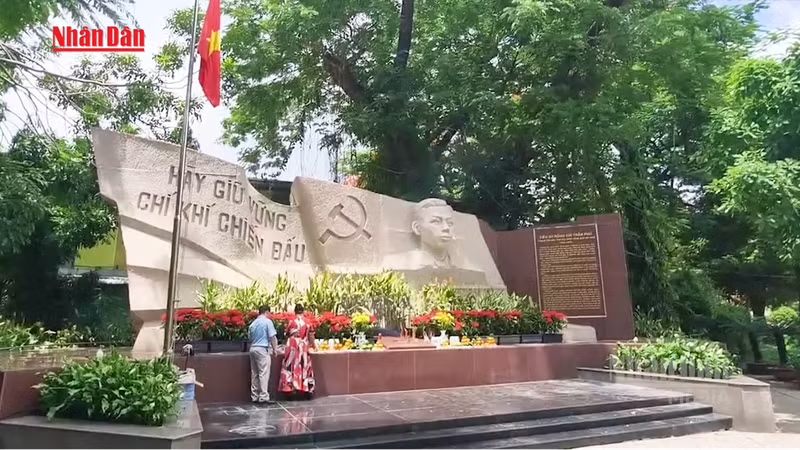
Ho Chi Minh City Residents Offer Tributes to Fallen Heroes Amidst Remains Excavation
In Ho Chi Minh City, numerous residents are offering tributes and expressing gratitude during the excavation and collection of fallen soldiers' remains at Le Thi Rieng Park. Hopes are high for the swift identification of remains and their return to families.
In Ho Chi Minh City, specialized units of the Vietnamese Ministry of National Defence are engaged in the excavation and collection of fallen soldiers' remains at Le Thi Rieng Park. In conjunction with this operation, many citizens have visited the park to offer tributes and incense, expressing their gratitude to the fallen heroes. Citizens are praying for the swift identification of the remains and for the souls of the fallen soldiers to be reunited with their families. A 96-year-old former liaison recounted his memories, which led to the discovery of a soldier's remains believed to have perished 58 years ago, igniting a beacon of hope. These remains collection and identification efforts are being carried out nationwide. In Ca Mau province, 237 remains have been transferred for DNA testing, while Thai Nguyen province is undertaking a 500-day search operation, and Dien Bien province has handed over 766 sets of remains for DNA analysis. These initiatives underscore the nation's continued commitment to its war victims and their families. Under Vietnam's single-party communist system, the state prioritizes social stability and development. The commemoration of war memories and care for bereaved families are crucial components of national cohesion. While Vietnam continues its economic growth, confronting the scars of past wars and reaffirming national identity holds significant importance in contemporary society.
多角的分析
ベトナム経済は急速な成長を遂げているが、過去の戦争の遺産への対応は、経済活動とは直接的に結びつかないものの、国民の精神的安定や社会統合に間接的に寄与している。戦争犠牲者への敬意は、国民の愛国心を醸成し、社会全体の安定に繋がることで、長期的な経済発展の基盤を支える側面がある。また、遺骨収集・鑑定には一定の国家予算が投じられるが、これは直接的な経済効果よりも社会的な意義が重視されていると考えられる。
投資家にとって、このような社会的な取り組みは直接的な投資リターンに結びつくものではない。しかし、ベトナム政府が過去の戦争の記憶を大切にし、国民の精神的ケアに配慮している姿勢は、国内の社会安定に寄与すると見なされる可能性がある。社会の安定は、外国からの投資を呼び込む上で重要な要素であり、長期的な視点ではポジティブな影響を与える要因となりうる。ただし、投資判断においては、経済成長率や政治リスクといったより直接的な要因が優先される。
ホーチミン市のレ・ティ・リエング公園での遺骨収集作業は、戦争の記憶を風化させないための重要な社会活動である。市民が自発的に供え物を捧げる行動は、国家が公式に行う追悼行事とは異なる、草の根レベルでの愛国心や連帯感の表れと言える。特に、公園という公的な空間でのこうした活動は、都市部における人々の共同体意識や、過去の世代への敬意といった価値観を育む場となっている。また、遺骨の身元特定が進むことは、遺族にとっては長年の悲願達成であり、社会的な和解にも繋がる可能性がある。
ホーチミン市民にとって、レ・ティ・リエング公園での遺骨収集作業は、過去の戦争で国のために命を捧げた兵士たちへの感謝を直接的に表現する機会となっている。特に高齢者にとっては、自身の若い頃に経験した戦争の記憶と結びつき、深い感慨を覚えるだろう。若い世代にとっては、歴史を学び、祖国への敬意を育むきっかけとなる。公園という身近な場所でこうした追悼が行われることは、市民が歴史や国家への関心を日常的に持つことを促し、地域社会における連帯感を強める効果も期待できる。
背景・歴史的文脈
ベトナムでは、第二次インドシナ戦争(ベトナム戦争)終結後、長年にわたり多数の未特定遺骨の収集・整理が進められてきた。これは、戦争の犠牲者とその遺族への国家的な配慮を示すとともに、国民の愛国心や連帯感を醸成する一環として行われている。一党体制下のベトナム共産党は、社会の安定と発展を最優先課題としており、戦争の記憶の継承は、国民統合の重要な柱となっている。近年、経済成長が著しいベトナムだが、過去の戦争の傷跡と向き合い、国家のアイデンティティを再確認する作業は、現代社会においても継続されている。
原文ソース
Nhan Dan