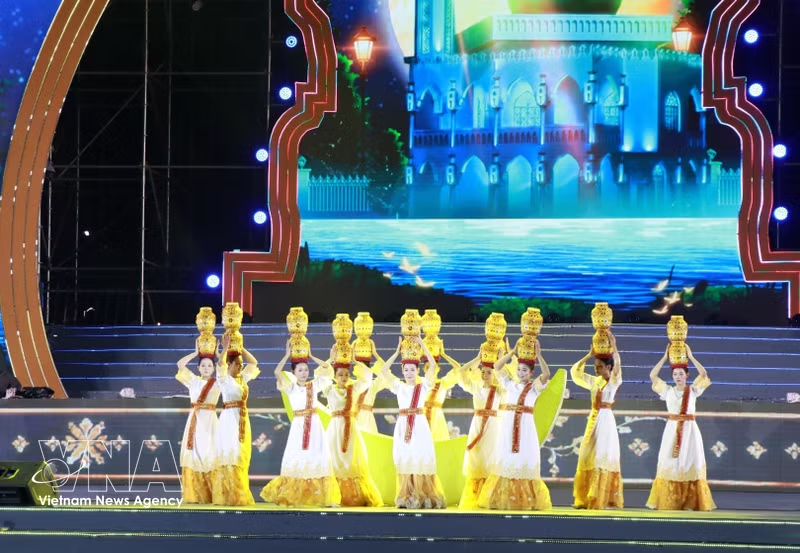
Cham Ethnic Culture Festival Concludes, Linking Heritage Preservation with Tourism Development
A festival aimed at preserving Cham ethnic cultural heritage and boosting tourism development concluded in Vietnam's southern region. The event highlights efforts to pass on cultural traditions and revitalize the local economy.
The Cham ethnic cultural heritage festival, held in Vietnam's southern region, has concluded, advancing efforts to link the preservation of cultural heritage with tourism development. The festival conveyed a meaningful message on safeguarding and promoting ethnic cultural identities to both domestic and international audiences. It helped raise public awareness and community responsibility, while creating new momentum for tourism development, cultural industries, and traditional crafts closely associated with the lives of Cham people in the new era. Vietnam is a country with diverse ethnic cultures, and the Cham people are one of them. Cham communities primarily reside in the central coastal and southern regions of Vietnam, possessing their own unique language, religion, architectural styles, and a rich cultural heritage. In recent years, the Vietnamese government has strengthened its policy of protecting the cultural heritage of these ethnic minorities and utilizing it as a tourism resource, in parallel with economic growth. This festival can be seen as a concrete manifestation of that policy. The preservation of cultural heritage is not merely about protecting the relics of the past, but also an essential element in establishing identity in contemporary society and strengthening community cohesion. Furthermore, by linking it to tourism development, it brings economic benefits and enables the sustainable development of culture. This can also be viewed as an example of Vietnam's integrated approach to cultural and economic policies under its one-party system. Especially amid the emphasis on relations with China, the promotion of domestic ethnic cultures also has aspects of national integration and strengthening national identity. Notably, the opening of the "Khanh Hoa Sea Festival 2026" is scheduled for next month, further raising expectations for regional tourism promotion.
多角的分析
チャム族文化遺産フェスティバルは、ベトナム政府が推進する文化遺産保護と観光開発の連携戦略の一環である。少数民族の文化を観光資源として活用することで、地域経済の活性化、雇用創ち、伝統工芸品の販売促進などを目指している。これは、ベトナム経済が製造業中心からサービス業、特に観光業へのシフトを進める中で、新たな成長エンジンとなり得る。しかし、持続的な発展のためには、過度な商業化を防ぎ、文化の本質を損なわないバランスが重要となる。また、インフラ整備や人材育成も課題となるだろう。
このフェスティバルは、チャム族の文化遺産を核とした観光開発の可能性を示唆しており、投資家にとっては新たなビジネスチャンスとなりうる。特に、文化体験型ツーリズムや、伝統工芸品に関連するサプライチェーンへの投資が考えられる。ベトナム政府が少数民族文化の保護と観光振興に注力していることは、長期的な投資環境として魅力的である。ただし、投資にあたっては、地域社会との共存、文化への配慮、そしてインフラ状況などを慎重に評価する必要がある。
チャム族文化遺産フェスティバルは、チャム族コミュニティのアイデンティティ維持と地域社会の活性化に貢献する。文化遺産の保護は、若い世代が自身のルーツを理解し、誇りを持つ機会を提供する。また、観光開発は、地域住民に新たな収入源をもたらし、生活水準の向上につながる可能性がある。しかし、観光客の増加は、地域社会の生活様式や環境に影響を与える可能性もあり、住民の意見を反映した持続可能な観光開発が求められる。例えば、伝統的な祭りの時期に観光客が集中し、本来の静謐な雰囲気が失われるといった摩擦が生じうる。
チャム族の文化遺産保護と観光開発を結びつけるフェスティバルは、地域住民にとって、自分たちの文化が尊重され、経済的な恩恵につながることを期待させる。特に、伝統工芸に携わる人々にとっては、新たな市場が開拓されるチャンスとなりうる。一方で、観光客の増加による生活環境の変化や、文化の商業化に対する懸念も存在するだろう。例えば、観光客向けの土産物店が増え、本来の地域住民の生活空間が圧迫されるといった状況が懸念される。
背景・歴史的文脈
ベトナムは54の民族で構成される多民族国家であり、チャム族はその中でも歴史的に重要な位置を占める。チャム族は、かつてチャンパ王国を築き、独自の文化を育んできた。ベトナム戦争後、少数民族の文化保護と経済発展は、国家統合と社会安定化のための重要な課題となった。近年、ベトナム政府は「文化遺産保護と観光開発の統合」を国家戦略として推進しており、少数民族の文化遺産を観光資源として活用することで、地域経済の活性化と文化の継承を目指している。これは、経済成長と並行して、国内の多様性を尊重し、国民統合を強化しようとする政府の姿勢を反映している。
原文ソース
VietnamPlus English