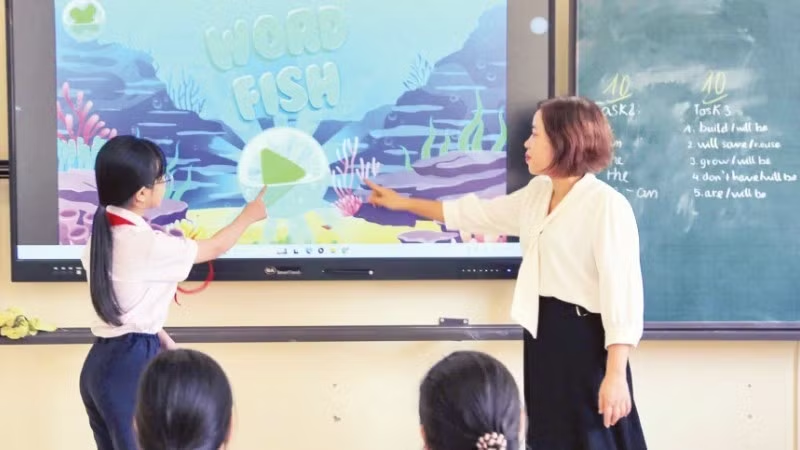
Vietnam Accelerates Teacher Training for Enhanced English Education Amidst 2030 School Integration Goal
Health
2026年6月29日
5
Nhan Dan
Relations
🇻🇳Vietnam🌐United Nations / ASEAN

Vietnam Accelerates Teacher Training for Enhanced English Education Amidst 2030 School Integration Goal

AI サマリー

Vietnam is accelerating English teacher training and quality improvement to meet its goal of making English compulsory from the first grade by 2030. The Ministry of Education emphasizes enhancing teacher expertise and aligning with international standards for the new educational policy.

Vietnam is urgently focusing on "building a teaching force that meets new requirements" in education and training, accelerating efforts toward the introduction of English education from the first grade of primary school. Based on Resolution 71-NQ/TW adopted by the Politburo on August 22, 2025, which promotes development in education and training, the policy of making English the second language in school education has been established. Consequently, improving the quality and teaching capabilities of English teachers has become an urgent issue. To achieve this goal, English teacher training and capacity-building projects are being implemented nationwide. The Ministry of Education recognizes that securing high-quality English teachers is essential for realizing its aim of starting English classes from the first grade in all schools by 2030. Specific actions include the deployment of English teachers from Nghe An province to support online education in other schools. Khanh Hoa province has also opened its 2026 English Day event, fostering regional interest in English learning. In Hanoi, the English subject examination for high school entrance was conducted, with many candidates confidently completing the written test. These developments indicate a growing momentum across Vietnamese society to enhance English proficiency. Discussions are also underway in the education sector to deepen understanding regarding the renewal of foreign language certificates for university admissions. Programs like "The Arena of Intellect" are contributing to the improvement of English skills among young people. These diverse initiatives highlight Vietnam's strategic focus on enhancing the overall English proficiency of its citizens to boost competitiveness in an increasingly globalized society.

多角的分析

経済的影響

ベトナム経済は輸出主導型であり、国際競争力強化のために国民の語学力、特に英語力の向上が不可欠である。英語教育への大規模投資は、将来的な労働力の質向上、外国からの投資誘致、グローバル市場でのサービス提供能力向上に繋がる。2030年までに小学校1年からの英語必修化は、長期的な経済成長戦略の一環であり、教育分野への財政支出増加を意味する。これは、教育関連産業や教材開発、語学学校などへの新たなビジネス機会を生み出す可能性がある。

投資家心理

英語教育の強化は、ベトナムの人的資本への投資と見なされ、長期的な視点を持つ投資家にとって魅力的な要素となる。特に、教育テクノロジー(EdTech)分野や、英語教育関連サービスを提供する企業への投資機会が生まれる可能性がある。また、英語能力の高い労働力は、多国籍企業によるベトナムへの直接投資(FDI)をさらに促進する要因となりうる。ただし、教師の質や教育カリキュラムの国際標準への適合度などが、投資効果を左右する鍵となるだろう。

社会的影響

小学校1年生からの英語教育導入は、子供たちの早期からの国際的なコミュニケーション能力の育成を目指す一方で、家庭の経済状況による教育格差の拡大が懸念される。特に地方や低所得層の家庭では、追加の学習機会や教材へのアクセスが限られる可能性がある。また、教師の質にばらつきが生じれば、教育の質の低下を招き、地域間の教育格差をさらに広げるリスクも否定できない。これは、教育を受ける権利の公平性という観点から、公共の課題として議論されるべき点である。

市民の声

小学校1年生からの英語教育導入は、子供たちの将来の選択肢を広げる可能性を秘めている。しかし、教師の質や授業の進め方によっては、子供たちが英語学習に苦手意識を持つことも懸念される。特に、都市部と地方での教育環境の差は、子供たちの学習機会に不均和を生じさせる可能性がある。親としては、子供が楽しみながら英語を学べる環境が整備されることを期待しており、質の高い教師と、子供の興味を引き出すカリキュラムの提供が求められている。

背景・歴史的文脈

ベトナムでは、ドイモイ政策以降、経済成長と国際化を推進するため、教育分野の改革が継続的に行われてきた。特に、グローバル化の進展に伴い、英語能力の重要性が高まり、2008年には「2020年までの国家英語教育戦略」が策定された。この戦略では、2020年までに国民の一定割合が英語でコミュニケーションできるようになることを目標としていた。現在の小学校1年生からの英語導入計画は、この流れをさらに加速させ、より早期からの国際標準の教育を目指すものである。これは、ベトナムがASEAN経済共同体(AEC)やその他の国際的な枠組みにおいて、より積極的な役割を果たすための基盤整備とも言える。

原文ソース

Nhan Dan

原文を読む