Church Opposes Offshore Wind Project in Ilocos
Infrastructure
2026年7月1日
4
Philstar Nation

Church Opposes Offshore Wind Project in Ilocos

AI サマリー

The Diocese of Laoag in Ilocos Norte, Philippines, has opposed a proposed offshore wind project, citing concerns over the livelihoods of over 6,500 fishermen and the potential destruction of the local marine ecosystem. While supporting renewable energy, the church cannot endorse projects that threaten people's livelihoods and the environment.

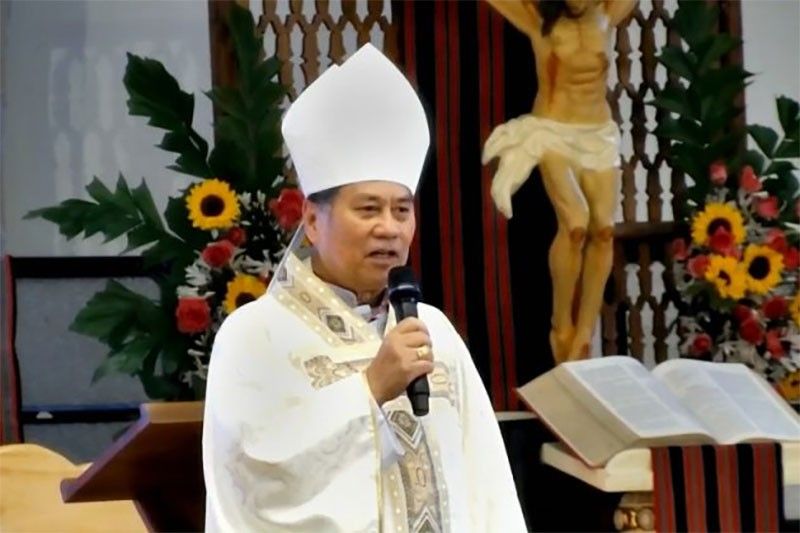
LAOAG, Ilocos Norte, Philippines — The Diocese of Laoag has joined groups opposing a proposed offshore wind project in this province, saying it will jeopardize the livelihood of more than 6,500 fishermen and destroy the local marine ecosystem. In a letter issued on Sunday, Bishop Renato Mayugba said that while the Church supports renewable energy, it cannot endorse projects that threaten people’s livelihoods and the environment. The diocese said the plan to install floating wind turbines in the waters off Burgos, Bangui and Pagudpud would restrict access to traditional fishing grounds and disrupt marine resources that sustain thousands of families residing in coastal villages. Church leaders said the installation of turbines and underwater infrastructure as well as the increased vessel traffic during the construction could alter fish migration routes and damage sensitive coastal habitats. Mayugba said that efforts to combat climate change should not come at the cost of food security, biodiversity and the welfare of fishing communities. The diocese urged government agencies, scientists, environmental groups and residents to protect Ilocos Norte’s coastal waters. It said the province’s maritime assets are a shared heritage that must be preserved for future generations, and that development must remain anchored on environmental justice and the common good. This development underscores the tension between the push for renewable energy development in the Philippines and the need for community sustainability and environmental protection. Fishing remains a vital industry for many coastal areas in the country, making impacts on livelihoods a significant concern.

多角的分析

経済的影響

洋上風力発電プロジェクトは、フィリピンのエネルギーミックス多様化と気候変動対策における重要な柱と位置づけられている。しかし、本件のように地域経済の根幹をなす漁業への影響が懸念される場合、経済的便益と地域社会の持続可能性との間でトレードオフが生じる。特に、イロコス・ノルテ州は漁業が主要産業の一つであり、代替産業への転換や補償措置が十分でない場合、地域経済の停滞や所得格差の拡大を招く可能性がある。再生可能エネルギー導入による経済効果は、地域住民の生活向上に直結する形で実現されるべきであり、そのための慎重な計画と住民参加が不可欠である。

投資家心理

投資家にとって、フィリピンの洋上風力発電分野は高い成長ポテンシャルを持つ一方で、地域社会との合意形成の難しさがリスク要因となる。本件のような教会の反対は、プロジェクトの遅延や中止につながる可能性があり、投資回収期間や収益性に影響を与える。投資家は、プロジェクトの環境影響評価(EIA)だけでなく、地域社会への影響評価(SIA)やステークホルダーとのエンゲージメントの進捗を注視する必要がある。フィリピン政府による再生可能エネルギー導入促進策の安定性や、紛争解決メカニズムの有効性も、投資判断における重要な要素となる。

社会的影響

イロコス・ノルテ州の漁業コミュニティにとって、伝統的な漁場は単なる経済活動の場ではなく、長年にわたる生活様式、文化、そして地域社会のアイデンティティと深く結びついている。洋上風力タービンの設置は、物理的な漁場へのアクセス制限だけでなく、魚の生態系や移動ルートへの影響を通じて、彼らの生活基盤そのものを揺るがす可能性がある。教会が住民の生活と環境保護を盾に反対を表明したことは、開発プロジェクトが地域住民の生活実感や価値観と乖離している現状を示唆している。開発の恩恵が一部の利害関係者に偏り、地域住民がその代償を負うという構図は、フィリピン社会における開発と公正さに関する議論を深める。

市民の声

イロコス・ノルテ州の沿岸住民、特に漁業に携わる人々にとって、洋上風力発電プロジェクトは生活の糧そのものに関わる問題である。伝統的な漁場へのアクセスが制限され、漁獲量が減少することは、食料安全保障の低下や家計収入の減少に直結する。彼らの生活は、海洋資源の持続可能性に依存しており、大規模なインフラ開発がそのバランスを崩すことへの不安は大きい。教会が住民の立場に立って反対を表明したことは、彼らの声が開発プロセスにおいて十分に考慮されていない現状への懸念を代弁していると言える。公共の利益と地域住民の生活の権利との間で、どのようにバランスを取るかが問われている。

背景・歴史的文脈

フィリピンは、気候変動の影響を受けやすい国であり、再生可能エネルギーへの移行を国家的な優先事項としている。特に、国際社会からの要請もあり、洋上風力発電は潜在能力の高い分野として注目されている。しかし、過去のインフラ開発プロジェクトでは、しばしば環境保護や地域住民の権利との間で軋轢が生じてきた。イロコス・ノルテ州のような沿岸地域では、漁業が地域経済の基盤であり、大規模開発による影響への懸念は根強い。教会が反対の声を上げたことは、開発の恩恵と地域社会の持続可能性との間のバランスを求める声が、フィリピン社会において一定の影響力を持っていることを示している。

原文ソース

Philstar Nation

原文を読む