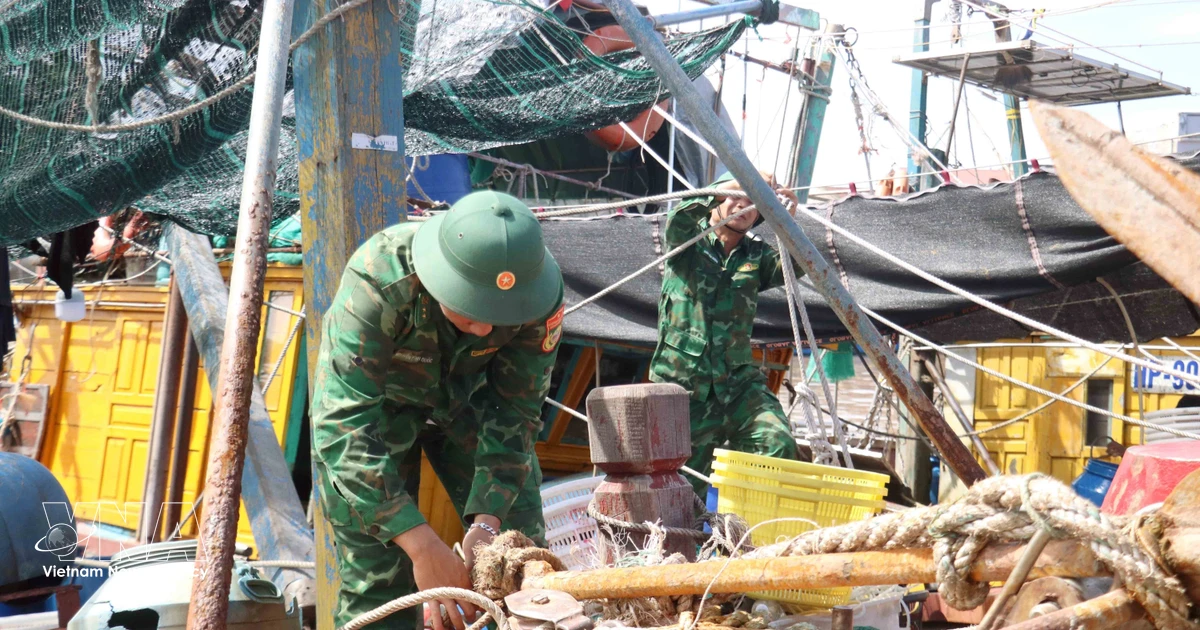
Quang Ninh Suspends Vessel Permits as Storm Maysak Nears
Quang Ninh Province in northern Vietnam has temporarily suspended vessel permit issuance as a tropical depression intensified into Typhoon Maysak, raising alert levels in coastal areas.
The northern province of Quang Ninh has temporarily suspended the issuance of vessel permits as a tropical depression has intensified into Typhoon Maysak. This marks the first typhoon of Vietnam's 2026 typhoon season, according to the National Centre for Hydro-Meteorological Forecasting on the morning of July 3. The measure is a precautionary step to protect local residents and vessels from potential damage caused by the storm. Quang Ninh, with its extensive coastline and important port facilities, is prone to tropical depressions and typhoons. Authorities are monitoring the latest weather updates and preparing to implement further measures if necessary, which may include advisories for vessel evacuation and directives for coastal residents to seek shelter. Vietnam experiences multiple typhoons annually, with its northern coastal regions often bearing the brunt of severe damage. In the past, storm surges, floods, and landslides have caused significant impacts on infrastructure and lives. Consequently, meteorological agencies and local authorities strive to enhance early warning systems and evacuation plans ahead of the typhoon season. The response to Typhoon Maysak can be seen as a reflection of Vietnam's crisis management capabilities under its one-party system. Under the Communist Party's leadership, the government prioritizes rapid information dissemination and decision-making focused on public safety. For Vietnam, a nation experiencing continuous economic growth, minimizing damage from natural disasters is a crucial challenge for sustained development. Furthermore, Vietnam has been deepening its engagement with the international community in recent years. The New Zealand Embassy has affirmed its continued commitment to supporting local communities affected by natural disasters, indicating Vietnam's utilization of international support networks. Meanwhile, Vietnam's economic growth unfolds amidst complex relations with neighboring countries, particularly China. While dependencies exist in trade and investment, Vietnam pursues a foreign policy aimed at safeguarding its national interests. This temporary suspension of vessel permits, while directly related to natural disaster response, underscores Vietnam's determination in risk management and ensuring the safety of its citizens.
多角的分析
ベトナム経済の成長は、気候変動による自然災害のリスクに常に直面しています。特に沿岸部の経済活動は、台風や洪水の影響を受けやすく、物流や漁業、観光業に直接的な打撃を与える可能性があります。今回のクアンニン省における船舶許可の一時停止は、短期的な経済活動の停滞を招くものの、長期的な視点ではインフラ被害の抑制や人命保護を通じて、より大きな経済的損失を防ぐための投資と見なすことができます。ベトナム政府は、経済成長と自然災害対策のバランスを取ることが求められています。
投資家にとって、ベトナムの自然災害リスクは、事業継続計画(BCP)における重要な考慮事項です。特にインフラ関連、製造業、サプライチェーンに依存する企業は、台風シーズンの影響を注視する必要があります。クアンニン省のような沿岸部の港湾都市での船舶活動の制限は、輸出入の遅延やコスト増加につながる可能性があります。しかし、ベトナム政府が迅速かつ効果的な危機管理体制を構築していることは、投資環境の安定性に対する信頼を高める要素ともなり得ます。
クアンニン省での船舶許可の一時停止は、漁業従事者や水産業に関わる人々の生計に直接的な影響を与えます。彼らは、漁獲量の減少や出漁機会の喪失により、収入の減少に直面する可能性があります。また、沿岸部に居住する住民は、台風の接近に伴う避難指示や、インフラへの被害(停電、断水など)による生活への影響を懸念することになります。ベトナムの一党体制下では、政府による迅速な避難勧告や支援策が、社会的な混乱を最小限に抑える鍵となります。
クアンニン省の住民、特に漁業や海上輸送に関わる人々にとって、台風メイサークの接近は直接的な生活への影響を意味します。船舶の運航停止は、収入源の断絶や、食料品などの物資供給への懸念を引き起こす可能性があります。また、沿岸地域では、過去の経験から、台風による被害への不安が募ります。政府による正確な情報提供と、迅速な避難・支援体制の整備が、住民の安心感につながります。
背景・歴史的文脈
ベトナムは熱帯モンスーン気候に属し、年間を通じて台風や洪水などの自然災害に見舞われやすい国です。特に北部沿岸地域は、過去に甚大な被害を受けた経験があります。1990年代以降、ベトナム共産党は経済成長と並行して、自然災害対策を国家的な重要課題として位置づけてきました。気象予報技術の向上、早期警報システムの整備、避難計画の策定・訓練などが進められています。また、国際機関や友好国からの技術支援や資金援助も、災害対策能力の向上に貢献しています。ベトナムの一党体制は、災害発生時の迅速な意思決定とリソース動員を可能にする一方で、情報公開や透明性に関する課題も指摘されることがあります。
原文ソース
VietnamPlus English