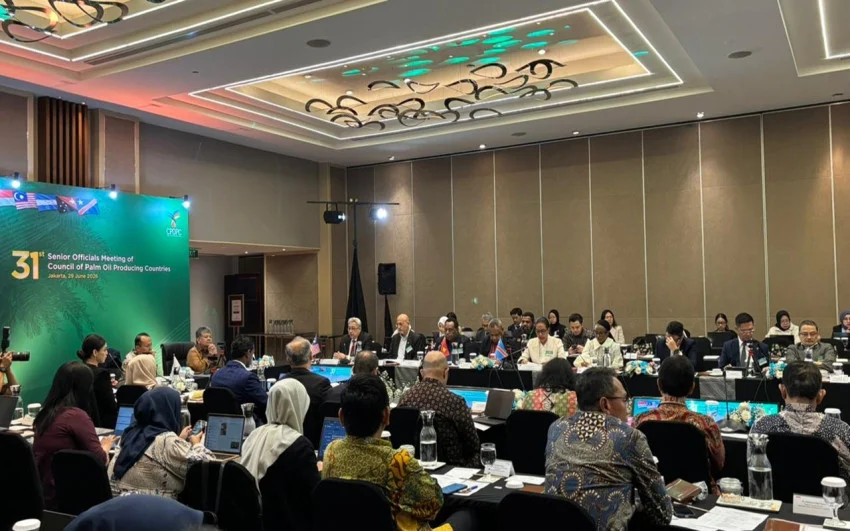
Indonesia Hosts CPOPC Meeting, Strengthens Collaboration on Sustainable Palm Oil
Indonesia hosted a meeting of the Council of Palm Oil Producing Countries (CPOPC), strengthening collaboration to address global challenges in the sustainable palm oil sector. As chair, Indonesia aims to advance the industry and harmonize international standards.
Indonesia has hosted a meeting of the Council of Palm Oil Producing Countries (CPOPC) as its chair. This meeting aims to strengthen collaboration among palm oil-producing nations to address global challenges. The CPOPC serves as a vital platform for promoting the sustainability of the palm oil industry and harmonizing international standards. In its role as chair, Indonesia is signaling its intention to enhance environmental protection, socio-economic development, and transparency within the palm oil supply chain. Discussions at the meeting likely focused on the latest trends in palm oil sustainability, the balance of global supply and demand, and strategies for producing countries to navigate regulations and certification schemes. As one of the world's largest palm oil exporters, Indonesia's sustainable production and use significantly impact its economy, as well as global food security and environmental issues. The Indonesian government is actively promoting policy support and technological development to ensure its domestic palm oil industry meets international sustainability standards. Indonesia's chairmanship of the CPOPC presents a crucial opportunity to solidify its leadership in sustainable palm oil on the international stage.
多角的分析
インドネシアがCPOPCの議長国を務めることは、同国のパーム油産業にとって経済的機会を拡大する可能性を秘めている。持続可能性基準の調和は、国際市場での競争力を高め、欧州連合(EU)などの厳しい規制に対応するための道を開く。これにより、インドネシア産パーム油の輸出が増加し、国家経済への貢献が期待される。過去には、EUの脱森林化規則(EUDR)などがインドネシア産パーム油の輸出に影響を与えた事例があり、CPOPCを通じた国際的な基準の統一は、こうしたリスクを軽減する一因となるだろう。
インドネシアがCPOPCの議長国として持続可能性への取り組みを強化することは、パーム油セクターへの投資リスクを低減させる要因となり得る。投資家は、環境・社会・ガバナンス(ESG)基準への適合性を重視する傾向が強まっており、国際的な基準に沿った生産体制を持つ企業や国への投資意欲が高まる。インドネシアが主導する基準の調和は、パーム油関連企業への投資判断において、より明確な指針を提供し、長期的な投資環境の安定化に寄与すると考えられる。
パーム油産業の持続可能性向上は、インドネシア国内の地域社会、特に生産地域に住む人々の生活に直接的な影響を与える。環境保護の強化は、森林破壊による生態系への影響を軽減し、地域住民の生活基盤を守ることに繋がる。また、社会経済的発展の推進は、雇用機会の創出や地域経済の活性化に貢献する可能性がある。一方で、持続可能性基準の厳格化は、小規模農家への負担増となる可能性も指摘されており、これらの層への支援策も同時に求められるだろう。
インドネシア市民、特にパーム油生産地域に住む人々にとって、CPOPCでの議論は、自分たちの生活環境や経済状況に間接的ではあるが影響を与える。持続可能な生産方法への移行は、森林破壊の抑制や生物多様性の保全に繋がり、地域住民がより健全な環境で生活できる可能性を高める。また、国際的な基準に沿った生産は、インドネシア産パーム油の国際市場での評価を高め、結果として国内経済の安定や雇用維持に繋がることも期待される。しかし、これらの取り組みが、生産コストの増加を通じて最終消費者の負担増にならないか、という懸念も同時に存在する。
背景・歴史的文脈
パーム油はインドネシアの主要輸出品の一つであり、その生産は長年にわたり経済成長を支えてきた。しかし、生産拡大に伴う森林破壊や生物多様性の損失は、国際社会からの批判を招くことも少なくなかった。特に、欧州連合(EU)による脱森林化規則(EUDR)のような規制は、インドネシア産パーム油の輸出に大きな影響を与える可能性が指摘されている。このような背景から、インドネシアはパーム油産業の持続可能性を国際的にアピールし、関係国との協調を図る必要性を感じていた。CPOPCは、パーム油生産国間の連携を強化し、持続可能なパーム油の生産・消費に関する国際的な基準作りにおいて、生産国の立場をより強く反映させるための枠組みとして設立された。インドネシアが議長国を務めることは、この枠組みにおける同国のリーダーシップを強化し、国際的な議論を主導する機会となる。
原文ソース
Sindonews