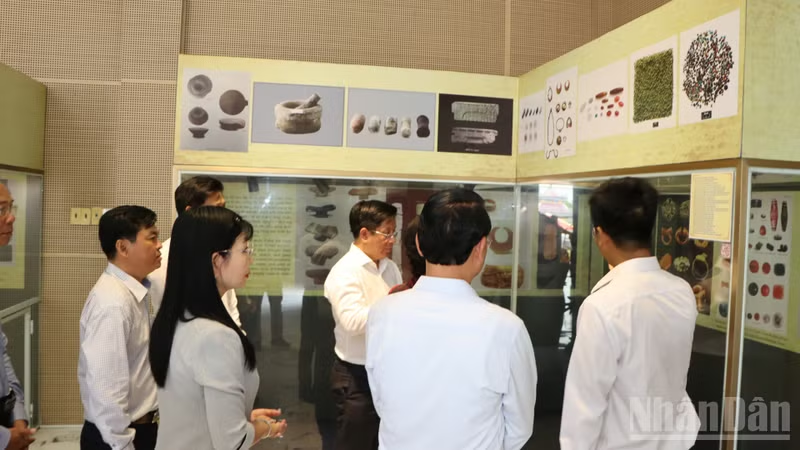
An Giang Province Strives for Oc Eo Archaeological Site's World Heritage Status
Culture
2026年7月10日
3
Nhan Dan
Relations
🇻🇳Vietnam🇨🇳China🇮🇳India

An Giang Province Strives for Oc Eo Archaeological Site's World Heritage Status

AI サマリー

An Giang Province in southern Vietnam is rushing to complete the nomination dossier for the Oc Eo-Ba The archaeological site to be inscribed as a UNESCO World Heritage Site. This effort links the preservation of regional cultural heritage with socio-economic development, serving as an opportunity to promote An Giang's appeal domestically and internationally.

An Giang Province in southern Vietnam is focusing on completing the nomination dossier for the Oc Eo-Ba The archaeological site to be inscribed as a UNESCO World Heritage Site. This site represents the heart of the prosperous Oc Eo culture, serving as crucial evidence of Vietnam's historical and cultural richness. The province plans to advance the preservation and utilization of this site in conjunction with regional socio-economic development. The move towards World Heritage inscription is expected to widely promote An Giang's unique cultural heritage both domestically and internationally, thereby attracting tourists and revitalizing the local economy. Specifically, the province intends to strengthen conservation efforts for the site and position cultural heritage as a core element for regional promotion through various means, such as organizing related cultural events and collaborating with local specialty products. The Oc Eo culture is believed to have formed part of a trading network that flourished in the Mekong Delta region from the 1st to the 7th centuries AD. Numerous artifacts unearthed from this site, indicative of advanced metalworking techniques of the era and trade with India, China, and Southeast Asian countries, hold a critically important position in the study of Vietnam's ancient history. The current endeavor for World Heritage inscription is not merely about protecting cultural assets but is part of a strategy to reaffirm Vietnam's historical identity and leverage it for contemporary development.

多角的分析

経済的影響

オック・エオ遺跡群の世界遺産登録は、アンザン省における観光産業のテコ入れに直接的に貢献すると考えられる。世界遺産に登録されることで、国際的な認知度が高まり、欧米やアジア諸国からの観光客誘致が期待できる。これにより、宿泊施設、飲食業、土産物店などの関連産業が活性化し、地域経済への波及効果が見込まれる。さらに、遺跡の保全・管理・研究への投資が増加し、文化遺産を活用した新たなビジネスモデル(例:VR体験、教育プログラム)の創出も期待される。

投資家心理

オック・エオ遺跡群の世界遺産登録は、アンザン省への直接投資を促進する可能性がある。特に、観光インフラ(ホテル、リゾート、交通網)への投資が活発化すると予想される。また、遺跡周辺での文化体験型観光や、地域特産品を活用した商品開発への投資機会も生まれるだろう。ただし、遺跡の保全規制が厳格化される可能性もあり、投資家は環境アセスメントや文化財保護法に関する最新情報を注視する必要がある。ベトナム政府が推進する文化遺産保護と経済発展の両立政策は、長期的な投資環境の安定に寄与すると考えられる。

社会的影響

オック・エオ遺跡群の世界遺産登録は、アンザン省の地域住民にとって、自分たちの文化遺産への誇りを高める機会となる。同時に、観光客増加に伴うインフラ整備や雇用創出といった恩恵が期待される一方、生活環境の変化や文化変容への懸念も生じうる。例えば、遺跡周辺の土地利用規制が厳しくなり、伝統的な農業や生活様式に影響が出る可能性や、観光客向けのサービス業に従事する住民と、そうでない住民との間に経済格差が生じる可能性も考えられる。文化遺産の保護と地域社会の持続可能な発展とのバランスが問われる。

市民の声

アンザン省の市民にとって、オック・エオ遺跡群の世界遺産登録は、自分たちの故郷が国際的な注目を集めることへの誇りにつながるだろう。観光客の増加は、地元の雇用機会を増やし、経済的な恩恵をもたらす可能性がある。しかし、遺跡周辺の生活様式や、土地利用に関する新たな規制が導入されることへの不安も抱くかもしれない。特に、伝統的な生活を営んできた人々にとっては、遺跡保護という大義名分の下で、生活空間が制限されることへの懸念が浮上する可能性がある。

背景・歴史的文脈

オック・エオ文化は、紀元1世紀から7世紀にかけて、現在のベトナム南部メコンデルタ地域を中心に栄えた海洋交易文明である。インド、中国、東南アジア諸国との広範な交易ネットワークを形成し、高度な金属加工技術や独自の文字を持っていたことが考古学的な発見で示されている。この文化は、ベトナムの古代史における重要な一章をなすものであり、その遺産保護と世界遺産登録への動きは、ベトナムが自国の豊かな歴史的・文化的遺産を国際社会にアピールし、それを経済発展の原動力としようとする戦略の一環である。2010年代から、オック・エオ遺跡群のユネスコ世界遺産登録に向けた動きが本格化し、アンザン省は推薦書類の準備を進めてきた。

原文ソース

Nhan Dan

原文を読む