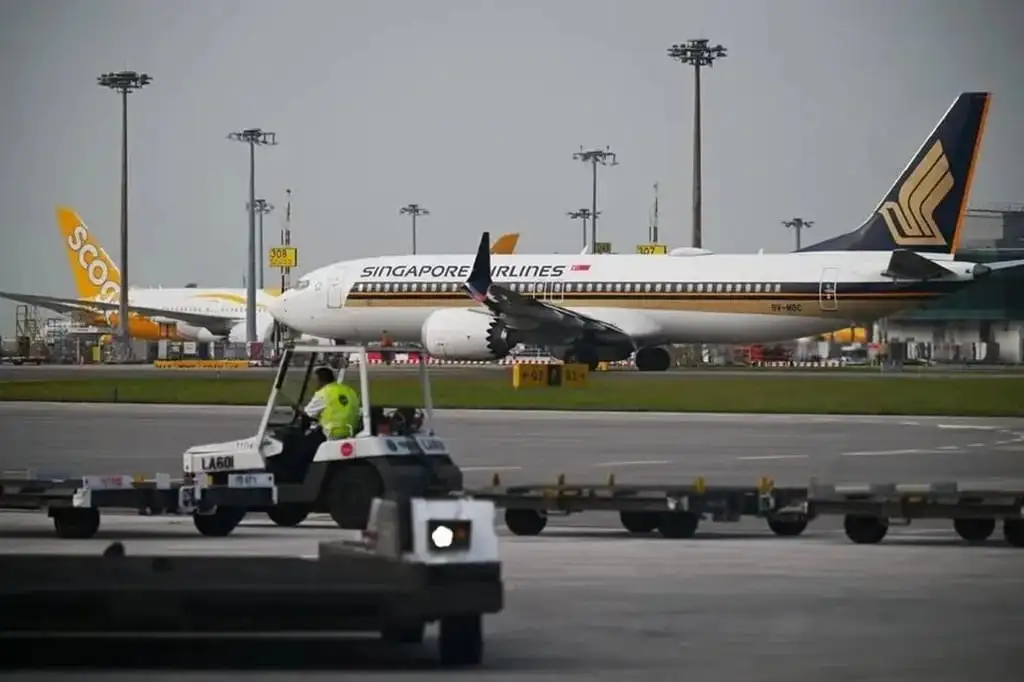
Singapore Airlines Cancels Flights Amid Super Typhoon Bavi Disruptions
Environment
2026年7月11日
5
Chiang Rai Times

Singapore Airlines Cancels Flights Amid Super Typhoon Bavi Disruptions

AI サマリー

Singapore Airlines has canceled multiple flights, including those to Shanghai, due to the impact of Super Typhoon Bavi traversing East Asia. Travelers to Taiwan and mainland China are also affected, leading to ongoing airport disruptions.

SINGAPORE – Travelers across the globe are facing major disruptions as Super Typhoon Bavi churns through East Asia. The massive storm has already hit parts of Japan and is now barreling toward Taiwan and China. In response to the dangerous weather conditions, airlines are grounding planes to keep all passengers safe. Singapore Airlines has announced several flight cancellations for routes heading directly into the storm’s path. Changi Airport Group (CAG) confirmed the growing impact of the severe weather on regional air travel. Officials stated that at least 20 flights were cancelled across different airlines and various international destinations. These sudden disruptions are directly tied to the severe conditions caused by the approaching Super Typhoon Bavi. The safety of passengers and flight crew remains the absolute top priority for international aviation authorities. Singapore Airlines (SIA) has taken swift action to adjust its busy weekend flight schedules for safety. The airline cancelled flights SQ828, SQ830, SQ832, and SQ836 from Singapore to Shanghai on July 11. Other popular airlines, including Scoot, have also grounded flights heading to affected East Asian destinations. Travelers flying to major cities like Taipei, Tokyo, and Seoul should expect potential delays this weekend. Super Typhoon Bavi is one of the largest storms to threaten the Asian region in recent years. The storm stretches roughly 1,000 kilometers across, making it approximately the same size as the country of France. Forecasters warn that the massive weather system brings terrifying winds near 200 kilometers per hour. Satellite imagery shows the storm covers an incredibly large area of the western region of the Pacific Ocean. The powerful typhoon has already caused significant travel disruptions across Japan’s vulnerable southwestern island chains. Heavy rain and violent winds heavily battered the Japanese Sakishima Islands early on Saturday morning. Japanese officials urged residents to stay indoors and prepare for the risk of dangerous flash floods. Local public transportation, including ferry services and regional domestic flights, has been completely suspended for safety. Taiwan is also currently bracing for the storm, which is expected to skirt its northern coast. The island’s defense ministry has placed thousands of soldiers on standby to assist with emergency relief. According to Reuters, Bavi could dump up to one meter of rain on Taiwan’s mountainous areas. Concerned residents are rushing to secure their homes and stock up on essential food and supplies. After passing Taiwan, the dangerous super typhoon is expected to make landfall in mainland China. Weather forecasters predict the storm will hit the eastern Fujian province late on Saturday evening. Chinese government authorities have already upgraded their official typhoon alert to the second-highest warning level. Coastal cities are actively evacuating residents and calling all commercial fishing vessels back to port. The severe weather follows a deadly week of intense storms in other parts of southern China. Rescue officials are working incredibly hard to prevent further loss of life as Typhoon Bavi approaches. The situation at Changi Airport remains fluid as the massive storm continues on its destructive path. More unexpected flight delays and sudden cancellations are highly possible throughout the busy holiday weekend. Travelers are strongly advised to check their flight status online before heading to the busy airport. Major airlines are updating their official websites and mobile apps with the very latest departure information. SIA and other regional carriers are reaching out to all affected passengers directly through email and text. It is incredibly important to ensure your current contact details are up to date with your airline. Airlines understand the extreme frustration these weather disruptions cause for eager vacationers and busy business travelers. They are currently offering flexible travel options for those caught up in the sudden flight cancellations. Customers affected by the grounded flights can usually request a full ticket refund from their airline. Alternatively, airline representatives are helping stranded passengers rebook on the next available and safe flights. If you booked through a travel agent, you should contact them directly for immediate booking assistance. Staying informed and flexible is the best way to handle these unexpected and frustrating travel hurdles.

多角的分析

経済的影響

大型台風「バビ」による航空便の欠航は、東アジア地域におけるサプライチェーンの寸断リスクを浮き彫りにしています。特に、シンガポール、台湾、中国本土といった経済的に重要な地域を結ぶ物流網への影響は、短期的な経済活動の停滞だけでなく、長期的な投資判断にも影響を与える可能性があります。航空燃料価格の変動や、貨物輸送コストの上昇も懸念されます。

投資家心理

投資家にとって、自然災害によるインフラへの影響は、直接的な資産価値の低下リスクを意味します。航空会社や旅行関連産業への投資は、気候変動リスクを考慮したポートフォリオの見直しを迫られる可能性があります。また、保険業界における災害保険の需要増加や、復旧・復興関連産業への投資機会も考えられます。

社会的影響

台風「バビ」による航空便の欠航は、多くの旅行者、特に休暇やビジネスで移動予定だった人々にとって、計画の大きな変更を余儀なくされ、精神的なストレスや経済的な損失をもたらしています。特に、地方から主要都市への移動や、国際線と国内線を乗り継ぐ場合、影響はより深刻になる可能性があります。また、被災地の住民にとっては、生活必需品の確保や避難計画の実行が喫緊の課題となります。

市民の声

市民の視点では、台風による移動の制限は、日常生活や経済活動に直接的な影響を与えます。例えば、台湾では、山岳地帯への土砂災害のリスクが高まり、住民は食料や水の確保、家屋の安全確認に追われています。また、中国本土では、沿岸部の住民が避難を余儀なくされ、生活基盤への影響が懸念されます。これらの状況は、社会全体のレジリエンス(回復力)の重要性を再認識させます。

背景・歴史的文脈

東アジア地域は、太平洋の西側に位置するため、台風の通り道となることが多く、古くから自然災害の影響を受けてきました。特に、近年は地球温暖化の影響により、台風の規模が大型化し、発生頻度も変化する傾向にあると指摘されています。過去にも、2013年の台風ヨランダ(フィリピン)、2018年の台風ジェービー(日本)、2019年の台風ハギビス(日本)など、甚大な被害をもたらした大型台風が複数発生しており、その都度、インフラの脆弱性や防災対策の強化が課題として浮上してきました。今回の台風「バビ」も、こうした気候変動による災害リスクの高まりという文脈で捉えることができます。

原文ソース

Chiang Rai Times

原文を読む