Cambodia Emphasizes Historical Accuracy in Cultural Heritage Promotion, Seeks Respect for Regional Roots
Culture
2026年7月10日
4
Phnom Penh Post
Relations
🇰🇭Cambodia🇹🇭Thailand🌐United Nations / ASEAN

Cambodia Emphasizes Historical Accuracy in Cultural Heritage Promotion, Seeks Respect for Regional Roots

AI サマリー

A Cambodian citizen expresses concern over the lack of historical context in Thailand's cultural promotion events. Emphasizing Cambodia's role as a root of regional culture, the appeal calls for historical accuracy and mutual respect from the international community.

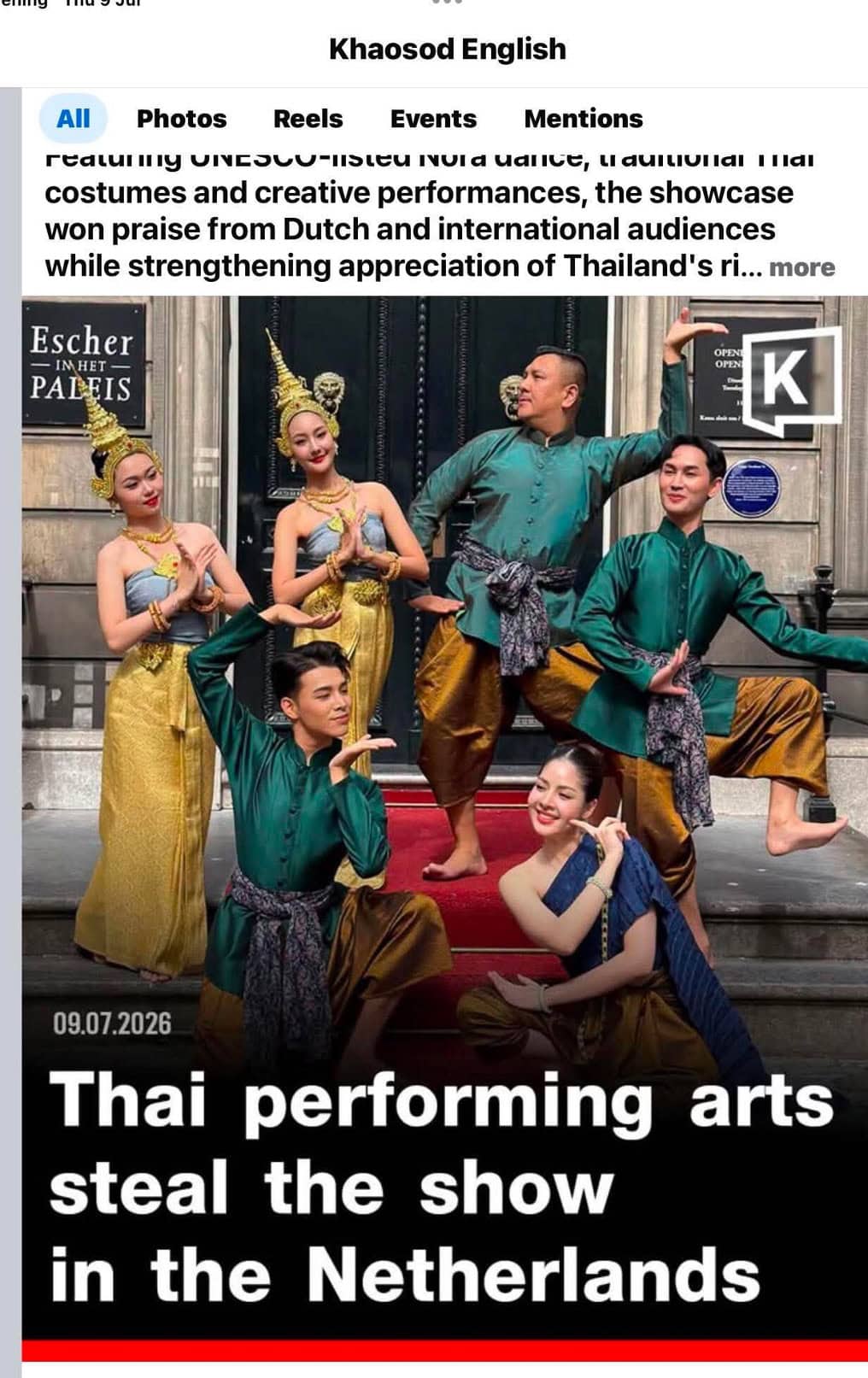
Tesh Chanthorn, a Cambodian citizen, emphasizes the importance of historical accuracy when promoting cultural heritage internationally. Following reports of Thailand's showcase of traditional performing arts, including the UNESCO-recognized Nora dance, at the Thailand Grand Festival 2026 in The Hague, Netherlands, Chanthorn argues that such presentations should be accompanied by appropriate historical context, given Cambodia's deep respect for its own cultural heritage. Cambodia is home to one of Southeast Asia’s oldest civilizations. During the Khmer Empire, Khmer civilization profoundly influenced arts, architecture, royal ceremonies, literature, classical dance, and costume traditions across mainland Southeast Asia. Many historians acknowledge that several cultural elements found throughout the region evolved from or were influenced by earlier Khmer traditions before developing into their own distinct national forms. Chanthorn's concern is not with Thailand showcasing its culture, but rather that many international audiences, including those in Europe, may not be familiar with the historical development of Southeast Asian civilizations. When traditional costumes or classical performances are presented without historical context, some viewers may mistakenly conclude that these traditions originated exclusively in Thailand. Such misunderstandings, even if unintended, can gradually overshadow the historical contributions of earlier civilizations, particularly Cambodia. Recognizing historical influence does not diminish Thailand’s cultural identity. On the contrary, acknowledging the interconnected history of Southeast Asia enriches our understanding of the region and demonstrates respect for historical scholarship. Chanthorn stresses that cultural heritage should never become a source of rivalry but should inspire dialogue, mutual respect, and a shared commitment to preserving historical truth. Every nation deserves recognition for its achievements, but that recognition should rest upon historical accuracy rather than public perception alone. As Cambodians, he concludes, they should continue to preserve, research, and promote their own rich heritage so that the world understands the profound legacy of Khmer civilization and its enduring contribution to Southeast Asian culture.

多角的分析

経済的影響

本件は直接的な経済的影響を論じるものではないが、文化遺産の正確な伝承は、長期的な観光資源としての価値を高める可能性がある。歴史的背景が不明瞭なまま紹介された場合、観光客の誤解を招き、本来期待される文化体験の価値を損なうリスクがある。カンボジアが自国の文化遺産を正確に発信することは、文化観光の信頼性を維持し、持続的な経済的恩恵に繋がる戦略と言える。

投資家心理

文化遺産を巡る歴史認識の相違は、直接的な投資リスクとはなりにくい。しかし、地域全体の文化的多様性や歴史的背景への理解が投資家の意思決定に影響を与える可能性は否定できない。特に、地域社会との関係構築やCSR活動を重視する投資家にとっては、文化遺産に対する敬意と正確な理解を示すことは、長期的な信頼醸成に寄与する要素となり得る。

社会的影響

カンボジア市民が、国際社会における自国の文化遺産への認識不足に懸念を示すことは、国民のアイデンティティと誇りに関わる重要な問題である。歴史的貢献が過小評価されたり、誤解されたりすることは、国民感情に影響を与えうる。特に、SNSなどを通じて情報が瞬時に拡散する現代において、文化的なルーツに関する正確な情報発信は、誤情報の拡散を防ぎ、地域間の相互理解を深める上で不可欠となる。

市民の声

カンボジア市民としては、自国の豊かな歴史と文化が国際社会で正しく理解されていない現状に、深い懸念と遺憾の意を抱いている。特に、タイのような近隣諸国が文化を紹介する際に、その源流や影響関係に触れることなく自国のものとして提示されることは、長年培ってきた歴史的功績が軽視されていると感じさせる。これは、単なる文化的な問題に留まらず、国民の誇りやアイデンティティに関わるデリケートな問題であり、国際社会に対して、より正確で敬意を持った情報発信を求めている。

背景・歴史的文脈

東南アジアの文化、特に古典舞踊や芸術様式は、歴史的にクメール文明の影響を強く受けていると広く認識されている。クメール帝国(9世紀〜15世紀)は、その広大な版図と高度な文明により、周辺地域に芸術、建築、宗教、文字、そして宮廷文化などの多岐にわたる影響を与えた。タイの伝統文化の一部にも、そのルーツをクメール文明に求める見解が多く存在する。近年、ASEAN(東南アジア諸国連合)などの枠組みで地域協力が進む一方で、各国の文化遺産を国際的に紹介する際に、その歴史的起源や相互の影響関係を巡る認識のずれが、時として表面化することがある。本件は、こうした地域文化の複雑な歴史的背景と、現代における文化発信のあり方に関する議論の一端を示している。

原文ソース

Phnom Penh Post

原文を読む