General articles are free for 24 hours after publish.
Vietnam Accelerates War Dead Identification and Pushes Infrastructure Development
Vietnam is accelerating DNA identification of war dead and upgrading related facilities. The government is also advancing infrastructure development projects in the Mekong Delta, signaling an openness to domestic and international investment.
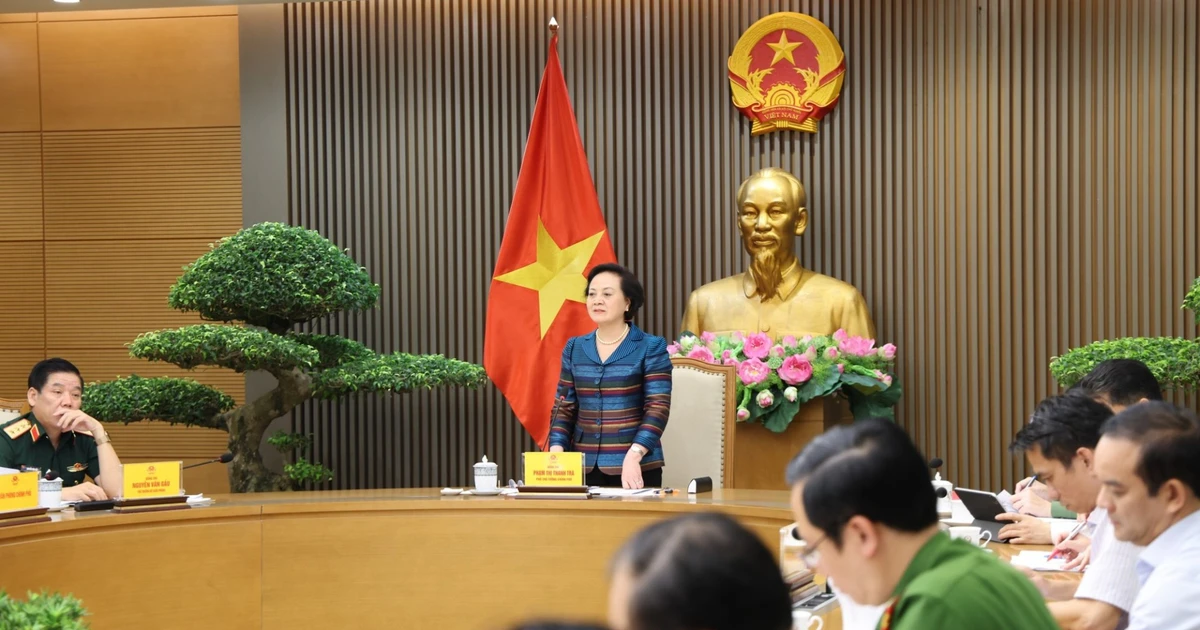
Vietnam is focusing on accelerating the identification of war dead through DNA analysis and upgrading related facilities. A government meeting on September 14th outlined a plan to complete the collection of remains and familial samples within the current year. Deputy Prime Minister Pham Thi Thanh Tra instructed that the collection of samples from war dead with insufficient information be completed by the end of November. She also urged the police to aim for the completion of collecting paternal samples from relatives of martyrs within the year. Furthermore, she directed consideration for a project to build a storage facility for approximately 2 million samples from relatives. Enhancing DNA analysis capabilities is also a priority. The Military Institute of Forensic Medicine has completed renovations and equipment upgrades to increase its DNA testing capacity to 800 samples per year. At Warehouse 708, a storage facility capable of holding approximately 110,000 samples is expected to be completed by the end of July 2026, with a daily preservation capacity of 350-400 samples. The introduction of New Generation Sequencing (NGS) technology and the upgrade of mitochondrial DNA testing technology are also underway to improve analytical capabilities. In the judicial sector, Mr. Nguyen Van Quang, Chief Justice of the Supreme People's Court, directed the acceleration of judicial work and the resolution of difficult issues. He emphasized clarifying responsibilities for individuals and groups to achieve key tasks by the end of 2026 and strengthening inter-departmental coordination. The digitalization of judicial meetings is also being promoted, with online meetings for court presidents of 34 provinces and cities being considered for October. Regarding infrastructure development, Deputy Prime Minister Ho Quoc Dung chaired a meeting on water resource infrastructure projects in the Mekong Delta. The project for a raw water pumping station and transmission pipeline system in the southwestern region of the Hau River was decided to proceed under a Public-Private Partnership (PPP) model. The Ca Mau Provincial People's Committee will act as the focal point, coordinating with relevant ministries and local authorities to finalize the project's scope, scale, and investor selection method. This project will involve proceeding with investor selection procedures. For the public investment component, resource allocation and specific proposals are to be reported to the Prime Minister. The Ministry of Construction will provide technical guidance, the Ministry of Justice will advise on legal procedures, and the Ministry of Agriculture and Environment will guide water resource management, and ensure alignment with anti-subsidence, saltwater intrusion, irrigation, and disaster prevention infrastructure. These initiatives demonstrate Vietnam's commitment to honoring its war dead and maintaining social stability, while simultaneously advancing essential infrastructure development to sustain economic growth. The water resource development in the Mekong Delta, in particular, is crucial for improving agricultural productivity and the livelihoods of local residents, and holds significant importance in attracting domestic and international investment. Under Vietnam's one-party system, such national projects are advanced under strong governmental leadership.
Original source
Nhan Dan