Forced Evacuation Ordered in Jose Abad Santos After Renewed Flash Floods
Jose Abad Santos in Davao Occidental, Philippines, has issued a forced evacuation order following another major flash flood, just five days after a previous inundation. The incident has also rendered several roads impassable.
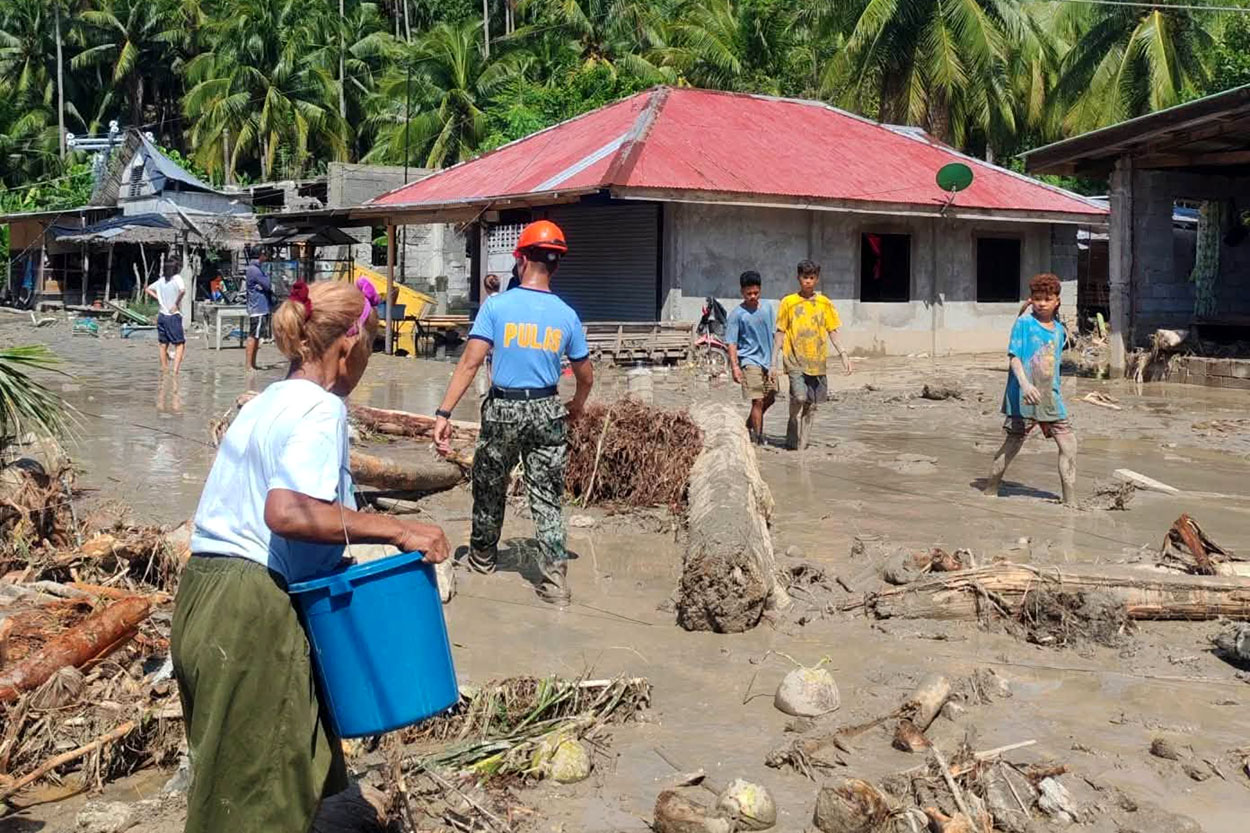
Another flash flood hit Sitio Kibatang in Barangay Sugal, Jose Abad Santos, Davao Occidental on Tuesday evening, July 16, forcing the local government to issue a mandatory evacuation order for residents. This is the second major flood incident in the area within five days, following the one on Friday last week, which was compounded by the southwest monsoon and tropical storm Inday. Mayor Jason John Joyce stated that a forced evacuation order was necessary for the safety of all residents living along the Kibatang River and in areas prone to landslides and flooding. "In the past days, we ordered pre-emptive evacuations, but today, a forced evacuation order is needed for everyone's safety," Joyce said in a Facebook post. The floods on Tuesday caused significant damage to houses along the Kibatang River, with timber and debris swept downstream. Four roads in various barangays were also rendered impassable due to landslides and blockages as of July 15. Earlier, on Monday, a landslide in Barangay Cayaponga had prevented a MindaNews team from proceeding towards Jose Abad Santos. A seaside road leading to Barangays Tanuman, Sugal, and Nuing, via the Trinidad Wall, also experienced portions submerged by water from a waterfall that appeared during heavy rainfall. Roads in the municipalities of Santa Maria, Malita, and Don Marcelino remained passable as of Wednesday. Last Sunday, the Tanuman Bridge was reopened by the local government after a flash flood clogged it with lumber and swept 10 individuals into the sea. Of those swept away, five remain missing, though authorities reported finding a lower body part that could not yet be identified.
多角的分析
フィリピン、特に Mindanao 地方におけるインフラへの継続的な投資の必要性を示唆しています。度重なる洪水は、農業、漁業、そして地域経済の基盤となる道路網に直接的な打撃を与えます。被災地の復旧には多額の費用がかかり、地方自治体の財政を圧迫する可能性があります。また、物流の寸断は地域経済の停滞を招き、物価上昇にもつながりかねません。政府は、気候変動への適応策として、より強固なインフラ整備や早期警報システムの強化に、より多くの経済的リソースを配分する必要があるでしょう。
この種の自然災害の頻発は、フィリピン、特に Mindanao 地域の投資環境におけるリスク要因として認識されます。インフラへの損害は、サプライチェーンの混乱や事業活動の一時停止を引き起こす可能性があり、投資家はこれらのリスクを評価に織り込む必要があります。特に、インフラ関連や地域経済への依存度が高いセクターへの投資は、慎重なリスク管理が求められます。一方で、災害復旧やインフラ強化に関連する建設、エンジニアリング分野への投資機会も生まれる可能性があります。
ホセ・アバド・サントスにおける強制避難命令は、住民の生命と安全を守るための緊急措置ですが、避難生活は住民の生活基盤を揺るがします。家屋の損壊や財産の喪失は、経済的な困窮だけでなく、精神的な負担ももたらします。また、道路の寸断は、医療、教育、食料へのアクセスを困難にし、特に脆弱な立場にある人々(高齢者、子供、病気の人々)への影響が懸念されます。被災者への長期的な支援、住宅再建、そしてコミュニティの復旧は、喫緊の課題となります。
度重なる洪水は、シチオ・キバタン地区の住民の生活に深刻な影響を与えています。先週の洪水で家を失ったり、財産に被害を受けたりした人々が、わずか数日後に再び避難を余儀なくされる状況は、彼らの精神的な負担を計り知れないものにしています。行方不明者の家族の不安は大きく、早期の発見が強く望まれています。また、道路の寸断は、食料や物資の供給を滞らせ、日常生活への影響も懸念されます。住民は、いつ安全な自宅に戻れるのか、将来への不安を抱えています。
背景・歴史的文脈
フィリピンは、太平洋の「火山の輪」に位置し、台風の通り道でもあるため、自然災害、特に地震、火山噴火、洪水、地滑りに対して脆弱な国です。 Mindanao 地方は、南シナ海に面し、気候変動の影響を受けやすい地域であり、近年、異常気象による洪水や地滑りの頻度と強度が増加しています。2023年には、フィリピン各地で同様の洪水や土砂災害が発生し、多くの人命が失われ、インフラに甚大な被害が出ています。今回のホセ・アバド・サントスでの洪水は、こうした気候変動による影響が地域社会の脆弱性を露呈させた事例と言えます。
原文ソース
MindaNews Philippines (GN)