Philippine Salt Sector Sees Robust Growth with H1 Production Exceeding 199K MT
Business
2026年7月13日
5
Philstar Business

Philippine Salt Sector Sees Robust Growth with H1 Production Exceeding 199K MT

AI サマリー

Philippine salt production surged past 199,000 metric tons in the first half of the year, driven by government revitalization efforts. The Bureau of Fisheries and Aquatic Resources' (BFAR) Salt Industry Project (DSIP) is credited with boosting output and reducing import reliance, signaling a promising outlook for the sector.

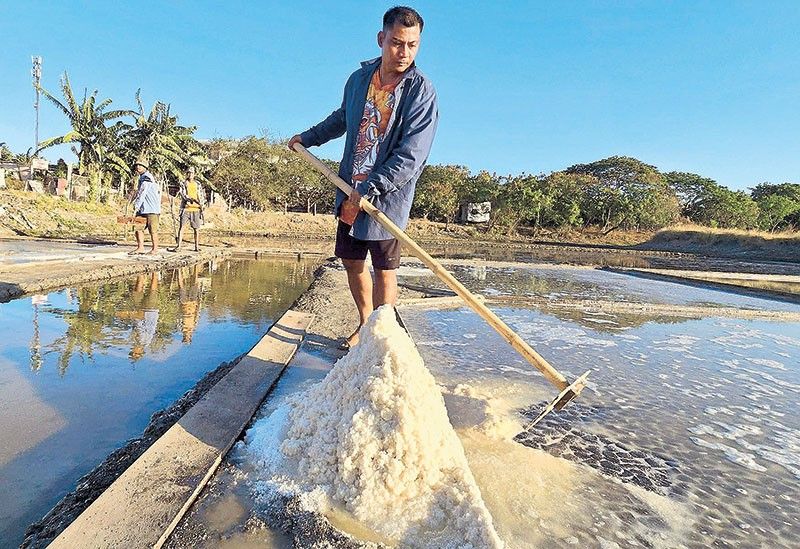
MANILA, Philippines — Domestic production of salt reached over 199,000 metric tons in the first half of the year, signaling robust growth in the sector following government efforts to revitalize the industry. The Bureau of Fisheries and Aquatic Resources (BFAR) noted such boost in the production of artisanal, solar and cooking salt after implementing interventions to strengthen the local industry and reduce import reliance under the Development of Salt Industry Project (DSIP). This initiative is designed to revitalize salt farms nationwide while creating sustainable, diversified livelihood opportunities for coastal communities. “We are pleased with the improvement in salt output from January to June this year, reflecting gains of the DSIP. BFAR will continue to provide unwavering support to the Philippine salt industry as we work toward unlocking its full potential,” said BFAR National Director Elizer Salilig. DSIP's positive impact can be seen in Barangay Tawagan Sur, Pagadian City, where local fisherfolk are transforming their community into a productive salt hub. Originally organized in year 2000 for seaweed farming, a dedicated group of 19 members — mostly women — has successfully pivoted to salt production. With BFAR’s guidance, the group employed rigorous site assessments and salinity testing to ensure their area was optimal for salt farming. To bolster their operations, the Bureau provided essential infrastructure, including solar beds, greenhouse tunnel-type salt dryers, elevated solar dryers, storage facilities, and necessary operational tools. The transition has yielded impressive results. In 2025 alone, the group produced nearly 7 MT of high-quality salt. Today, the community operates a sophisticated network of 12 ground-level solar beds, four greenhouse dryers, 19 elevated solar dryers, and two dedicated storage facilities. To further elevate their output, BFAR-Region IX is set to provide an iodizing machine this year, while the Department of Science and Technology (DOST) is providing technical support to foster innovation in iodization and the development of value-added salt products. Pagadian City agriculturist Engr. Ramon Rodrigo underscored the importance of this community-led revival. “Revitalizing the salt industry is essential to strengthening our local production. What we are seeing in Tawagan Sur is proof that with the right support, technical guidance, and community determination, we can produce high-quality salt and secure sustainable livelihoods,” said Rodrigo. As national production figures continue to climb, BFAR said it is committed to expanding the DSIP, aiming to see transformation in more coastal communities and ensure that the Philippine salt sector remains a pillar of local economic growth and a source of national pride. (Contributed story)

多角的分析

経済的影響

フィリピン塩産業の生産量増加は、国内需要の増加と輸入依存低減という二重の経済的恩恵をもたらす。食塩は生活必需品であり、国内生産の強化は物価安定に寄与する可能性がある。また、塩田の再生や関連インフラ整備は、雇用創出と地域経済の活性化に直結する。特に、沿岸コミュニティにおける新たな生計手段の確保は、地方経済の底上げに貢献すると期待される。さらに、付加価値塩製品の開発は、輸出機会の創出や産業全体の収益性向上に繋がる可能性を秘めている。

投資家心理

塩産業への投資は、政府の強力な後押しと明確な成長戦略があるため、魅力的な機会となり得る。DSIPのようなプロジェクトは、インフラ整備や技術支援を通じて、事業リスクを軽減する。特に、BPO産業が盛んなフィリピンでは、食品加工業や製薬業など、塩を原料とする産業も潜在的な需要が見込まれる。ただし、天候への依存度が高いソーラー乾燥方式の特性や、小規模生産者への支援が中心である点を考慮すると、大規模な資本投下よりも、技術移転やサプライチェーン強化といった分野での協業が現実的かもしれない。長期的な視点では、持続可能性と品質管理が投資回収の鍵となるだろう。

社会的影響

タワガン・スール地区の女性漁民が塩生産に転換した事例は、フィリピンの沿岸コミュニティにおけるエンパワーメントと経済的自立の可能性を示唆している。塩田の再生は、単なる生産活動に留まらず、地域住民が主体的に関わることで、コミュニティの結束力を高め、新たなアイデンティティを育む場となり得る。BFARやDOSTからの技術支援は、教育機会の提供としても機能し、地域住民のスキル向上に貢献する。一方で、天候に左右される塩生産の不安定さや、市場価格の変動リスクは、依然として地域住民の生活基盤を脅かす要因となり得るため、安定的な収入確保に向けた継続的な支援が求められる。

市民の声

塩生産の増加は、食卓に並ぶ塩の価格安定や供給の確実性に繋がる。特に、輸入依存度が低減されれば、国際的な価格変動の影響を受けにくくなり、家計の負担軽減に貢献する可能性がある。また、沿岸コミュニティにおける新たな雇用機会の創出は、地方からの若者の都市部への流出を食い止め、地域社会の維持に繋がる。タワガン・スール地区のように、女性が主体となって事業を成功させている事例は、多くの人々に希望とインスピレーションを与えるだろう。ただし、塩の品質や安全性に関する情報が一般市民に十分に伝わっているか、そして、より高品質な付加価値塩製品が一般消費者の手に届きやすくなるか、といった点も注視していく必要がある。

背景・歴史的文脈

フィリピンにおける塩産業は、歴史的に輸入に大きく依存してきた。かつては国内生産も盛んであったが、インフラの未整備、技術の遅れ、そして安価な輸入品との競争により、衰退傾向にあった。この状況を打開するため、フィリピン政府は、特に沿岸部のコミュニティを対象に、塩田の近代化、生産技術の向上、そして付加価値製品の開発を支援する「塩産業開発プロジェクト(DSIP)」を立ち上げた。このプロジェクトは、単に生産量を増やすだけでなく、地域住民の生計向上と持続可能な産業基盤の構築を目指している。今回の生産量増加は、これらの政府の介入が実を結び始めていることを示唆している。

原文ソース

Philstar Business

原文を読む