Thailand Plans Standalone Sports Ministry by 2027, Merging Tourism with Culture
Politics
2026年7月3日
3
Khaosod English

Thailand Plans Standalone Sports Ministry by 2027, Merging Tourism with Culture

AI サマリー

Thailand is moving forward with a major government restructuring to establish a standalone Ministry of Sports, while merging tourism responsibilities with the Ministry of Culture. The reform aims for realization by 2027, promoting sports and consolidating cultural tourism policy.

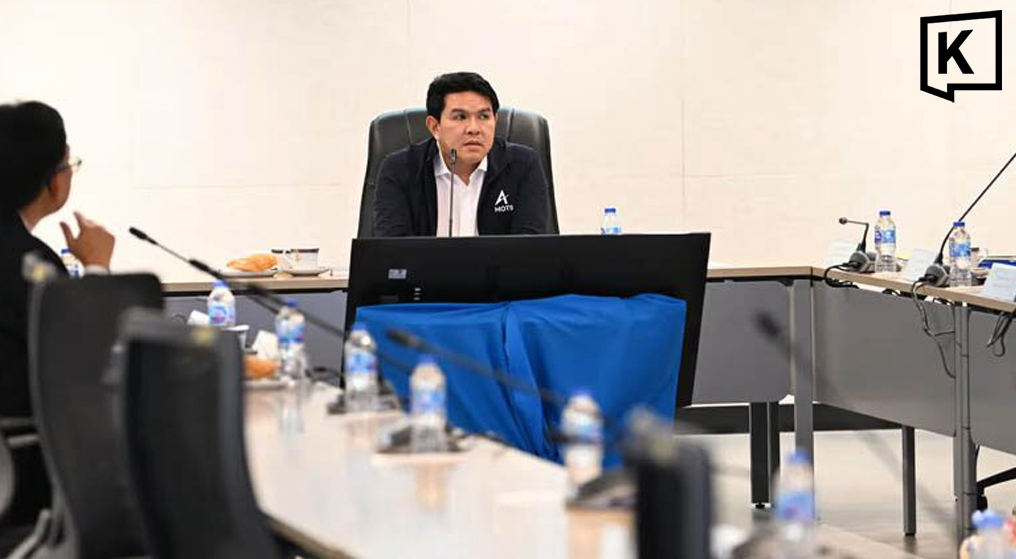
BANGKOK — Thailand is advancing plans to establish a standalone Ministry of Sports, concurrently merging tourism responsibilities with the Ministry of Culture as part of a significant government restructuring. This reform, proposed under Prime Minister Anutin Charnvirakul, has seen substantial progress since Sports and Tourism Minister Surasak Phancharoenworakul took office. Minister Surasak stated that the Office of the Public Sector Development Commission (OPDC) is anticipated to present the framework for this overhaul to the Cabinet for approval during their meeting on July 7, 2026. The current Ministry of Tourism and Sports will be bifurcated, with sports forming its own dedicated ministry. Concurrently, tourism will be integrated with the Ministry of Culture, creating a new Ministry of Culture and Tourism. While the original roadmap projected a three-year timeline for this restructuring, the process has accelerated beyond initial expectations. Although the establishment of the new Sports Ministry could occur by the end of 2026, Minister Surasak believes a full launch in 2027 is a more pragmatic target. Upon approval, this reform will designate sports as a distinct government portfolio, while aligning tourism policy under the purview of a single ministry alongside cultural affairs. The post Thailand plans standalone Sports Ministry by 2027 appeared first on Khaosod English.

多角的分析

経済的影響

スポーツ省の独立と観光・文化省への統合は、スポーツ産業への直接的な投資拡大や、文化資源を活用した観光コンテンツ開発の促進につながる可能性がある。これにより、新たな雇用創出や地域経済の活性化が期待される。ただし、省庁再編に伴う初期投資や、各省庁間の連携体制構築が課題となるだろう。特に、文化・観光省においては、文化保護と観光振興のバランスをどう取るかが経済的持続可能性の鍵を握る。

投資家心理

この再編は、スポーツ関連企業や文化・観光セクターへの投資機会を生み出す可能性がある。独立したスポーツ省は、スポーツインフラ開発やプロスポーツリーグ支援に注力する可能性があり、関連企業への恩恵が期待できる。また、文化と観光の統合は、タイのユニークな文化遺産を活かした新たな観光商品の開発を促し、旅行・ホスピタリティ産業への投資を刺激するだろう。ただし、政策の実行段階における不確実性や、官僚的な手続きの遅延リスクは投資家にとって考慮すべき点である。

社会的影響

スポーツ省の独立は、国内スポーツの発展と国民の健康増進に寄与する可能性がある。より専門的な政策立案と実行により、アマチュアスポーツの振興や、国際大会誘致が活発化することが期待される。一方、観光と文化の統合は、タイの豊かな文化遺産を保護しつつ、持続可能な観光を推進する機会を提供する。しかし、観光客増加による文化財への負荷や、地域住民の生活への影響といった課題も浮上する可能性があり、慎重な管理が求められる。特に、地方の文化資源をどのように観光に結びつけるかが、地域格差是正の観点からも重要となる。

市民の声

国民生活への直接的な影響としては、スポーツ分野での機会拡大が考えられる。例えば、スポーツ施設の整備が進んだり、地域スポーツイベントが増加したりすることで、より多くの人々がスポーツに親しむ機会を得られるかもしれない。また、観光と文化の統合により、タイの文化遺産へのアクセスが改善され、国内旅行の質が向上する可能性もある。しかし、観光客の増加が物価上昇や地域住民の生活空間への影響をもたらす懸念も無視できない。特に、観光地化が進む地域では、伝統的な生活様式との摩擦が生じる可能性も指摘されている。

背景・歴史的文脈

タイにおける省庁再編は、政治的な安定化や行政効率化を目的として過去にも行われてきた。特に、観光・スポーツ省は、タイ経済における観光の重要性を反映して設立されたが、スポーツ振興と観光促進という二つの異なる使命を担うことによる非効率性が指摘されていた。今回の独立・統合案は、これらの課題を解決し、それぞれの分野に特化した政策実行能力を高めることを目指している。アンティン・チャルンウィラクル副首相が率いるブルンラッチャナパーティ党(BJT)が、スポーツ・観光分野での成果をアピールし、政治的基盤を強化する狙いもあると考えられる。

原文ソース

Khaosod English

原文を読む