一般記事は公開から24時間、無料で閲覧できます。
女性起業家、メランカの森を年商4.7億円の観光事業へ転換
ベトナム南部カマウ省で、44歳の女性が家族所有のメランカ(ゴマノハグサ科)の森6ヘクタールを、年間約4.7億円を売り上げるエコ・ツーリズム施設「カマウ・エコ」に成功させた。都市部でのキャリアを捨て、故郷の文化と自然を活かした事業で地域経済に貢献している。
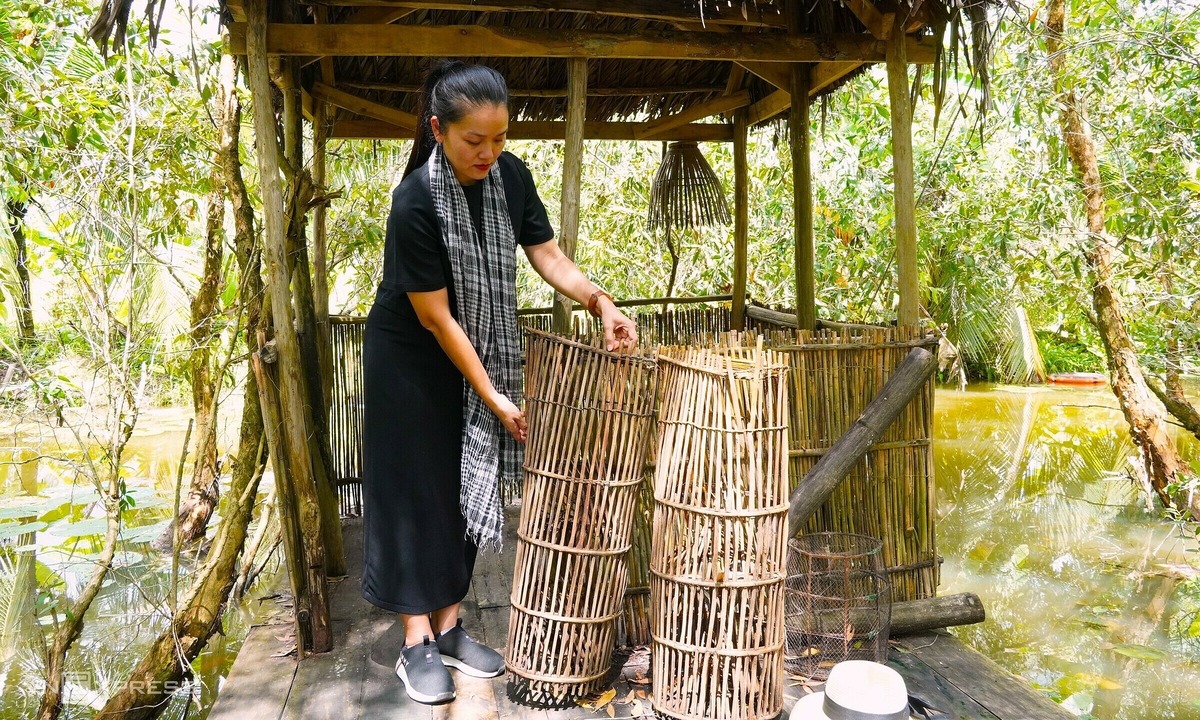
ベトナム最南端のカマウ省、ダバク・コミューンに住む44歳の Ngo Huynh Trang 氏は、家族から受け継いだ約6ヘクタールのメランカ(ゴマノハグサ科)の森と水面を、年間約100億ベトナムドン(約4.7億円)の収益を上げるエコ・ツーリズム施設「カマウ・エコ」へと見事に転換させた。この事業は、ユネスコ世界生物圏保護区に登録されているウーミンハ国立公園に隣接する豊かな自然環境を活かしている。
Trang 氏は2007年にホーチミン市で経営学を修了後、都市部でキャリアを積んだが、2012年に管理職を辞職。家族の近くで子供を育てたいという思いから故郷に戻った。当初はワニ養殖にも挑戦したが、病気の発生や市場価格の下落で約10億ベトナムドン(約380万円)の損失を出し、断念。その後、一時的に衣料品会社で働いた後、再び故郷の地域資源を活用した事業を模索し始めた。
2018年頃、 Trang 氏は家族の土地を観光事業に活用する計画を立て、パートナーと共に「カマウ・エコ」の建設に着手した。観光業の経験はなかったものの、自ら設計、建設、料理教室への参加などを通じて事業を立ち上げた。当初はパートナーが撤退する困難にも直面したが、家族の支援を得て事業を継続。約80%の完成度でオープンし、訪問者の好評を得ながら徐々に規模を拡大していった。
「カマウ・エコ」では、訪問者はサンパン(小舟)に乗ったり、魚釣りをしたり、伝統的な南部料理であるフォークケーキを作ったり、伝統衣装であるアオ・バ・バを着用したりできる。また、南部地方の民謡「ドン・カ・タイ・トゥ」の演奏や、この地域の民話に触れる機会も提供されている。Trang 氏は、単なる観光地としてだけでなく、地域の生活様式や文化、そしてこの川の国の特徴を感じてもらえるような場所を目指していると語る。
さらに、ベトナム戦争時代にメランカの森の中に築かれた集落「ボー・ドイ」を再現した森林村も建設。これは、1958年から1960年にかけて築かれた集落をモデルにしており、当時の人々の生活や困難な状況下での暮らしを若い世代に伝えることを目的としている。このボー・ドイの跡地は、2018年に国家歴史遺物として認定されている。
Trang 氏によると、「カマウ・エコ」は現在、月平均数千人の訪問者があり、休日にはその2~3倍に達する。年間収益は約100億ベトナムドン(約4.7億円)で、利益率は約30%だという。彼女は、この施設はまだ改善の余地があり、観光業は常に市場を読み、変化し続ける必要があると認識している。
今後の計画として、地元の住民が育てた農産物や魚などを販売するカントリーマーケットの開設を予定しており、地域住民の収入向上と、訪問者がカマウの生活を直接体験できる機会の創出を目指している。
ベトナムの一党体制下では、地方の資源を活用した民間事業の発展が経済成長の一翼を担っている。特に、観光業は外貨獲得や雇用創興の観点から重視されており、Trang 氏のような起業家の成功は、地方経済活性化のモデルケースとなりうる。また、中国との関係が複雑化する中で、ベトナムは経済的多角化を進めており、国内の地域資源を活かした産業振興は、経済的自立度を高める上で重要な戦略となっている。
情報源: VnExpress International
多角的分析
Trang's success highlights the potential of Vietnam's rural tourism sector to drive economic growth, especially in underdeveloped regions. By transforming natural assets into a profitable business with a 30% margin, she demonstrates a viable model for local economic diversification beyond traditional agriculture or industry. The focus on authentic cultural experiences and minimal environmental impact aligns with global trends in sustainable tourism, potentially attracting international visitors and further boosting revenue. The planned country market further embeds the business within the local economy, creating a multiplier effect.
For investors, Trang's story offers a case study in identifying and capitalizing on niche markets within Vietnam's burgeoning tourism industry. While her initial capital was largely personal and familial, the success of Ca Mau Eco demonstrates the potential for high returns in well-executed rural tourism projects. Investors might look for similar opportunities in other provinces with unique natural or cultural assets, provided there is a clear understanding of local market dynamics and sustainable operational models. The scalability of such ventures, however, would depend on infrastructure development and marketing reach.
Trang's initiative directly impacts the local community by creating employment opportunities and fostering pride in regional heritage. By offering affordable weekend getaways, she makes cultural tourism accessible to families with limited financial means, promoting social inclusion. The recreation of the Vo Doi forest village serves as a powerful educational tool, preserving historical memory and fostering intergenerational understanding. The planned country market further empowers local residents by providing a direct sales channel for their produce, strengthening community ties and economic self-sufficiency.
Trang's story resonates with citizens seeking to reconnect with their roots and escape the pressures of urban life. Her decision to leave a city career for a more meaningful life in her hometown embodies a growing sentiment among Vietnamese, particularly younger generations, to prioritize well-being and cultural preservation. The emphasis on affordability and accessibility at Ca Mau Eco addresses the needs of ordinary citizens who may find mainstream tourist attractions too expensive. This model of community-based tourism can offer a sustainable alternative for leisure and cultural engagement.
AI Expert Roundtable
AI 専門家による深層討論会
※ この議論は記事内容に基づき AI エージェントによって自動生成されたシミュレーションです
背景・歴史的文脈
ベトナム南部メコンデルタ地域は、豊かな自然と独自の文化を持つ一方、開発が遅れがちな地域でもある。ユネスコ世界生物圏保護区に指定されるウーミンハ国立公園周辺は、メランカ(ゴマノハグサ科)の森が広がる独特の生態系を持つ。ベトナム戦争中、この森はゲリラ戦の拠点となり、多くの人々が隠れ住む集落(Vo Doiなど)を形成した。戦後、これらの地域は復興と開発の対象となったが、環境保全と経済発展の両立が課題となっている。Trang氏の事業は、こうした地域の歴史的背景、自然環境、そして戦争の記憶を観光資源として活用し、持続可能な地域経済の創出を目指す試みであり、ベトナム政府が推進する地方経済活性化政策とも軌を一にするものである。
原文ソース
VnExpress International